I’ll never forget the smell of wet earth and pine needles on that May afternoon in 2018 when I stumbled onto a crumbling Ottoman milestone near the Sakarya River. I mean, look — I was supposed to be chasing Adapazarı güncel haberler spor—you know, the usual sports updates on my phone—but then I saw something sticking out of the mud like a half-buried relic. Turns out, it was a forgotten marker from the old caravan route to Istanbul. The guy at the teahouse, Mehmet—yeah, the one with the missing front tooth and a laugh like a sputtering tractor—leaned over and said, “That stone’s older than your grandma’s gossip.” And honestly, he wasn’t wrong.
What started as a detour became a rabbit hole of ancient ruins, misty valleys, and backroads where the past clings to every cobblestone. Adapazarı isn’t your typical tourist trap—it’s a place where adventure and mystery do this weird, beautiful tango. There are rivers whispering secrets, forests that feel like they’re holding their breath, and streets where Ottoman traders once haggled over spices. And sure, you *could* spend your time scrolling through Adapazarı güncel haberler spor, but trust me—you’d miss the magic of a place where every turn feels like uncovering a piece of a puzzle you didn’t know was missing.
From Ottoman Caravans to Modern Trails: Tracing Adapazarı’s Forgotten Roads
I first stumbled into Adapazarı in 2019, during one of those rare autumn weeks when the Black Sea coast was still warm but the Istanbul crowds had thinned out. The bus dropped me at the main terminal right as the afternoon call to prayer echoed over the low concrete buildings — a sound so familiar yet somehow off here, miles from the mosques I’d grown used to in Istanbul. I had no real plan, just a backpack, a half-baked map I’d printed from some forum, and a vague idea that I wanted to see where the old Ottoman spice routes might still whisper through the city. Turns out, Adapazarı doesn’t just whisper — it hums, if you know where to press your ear.
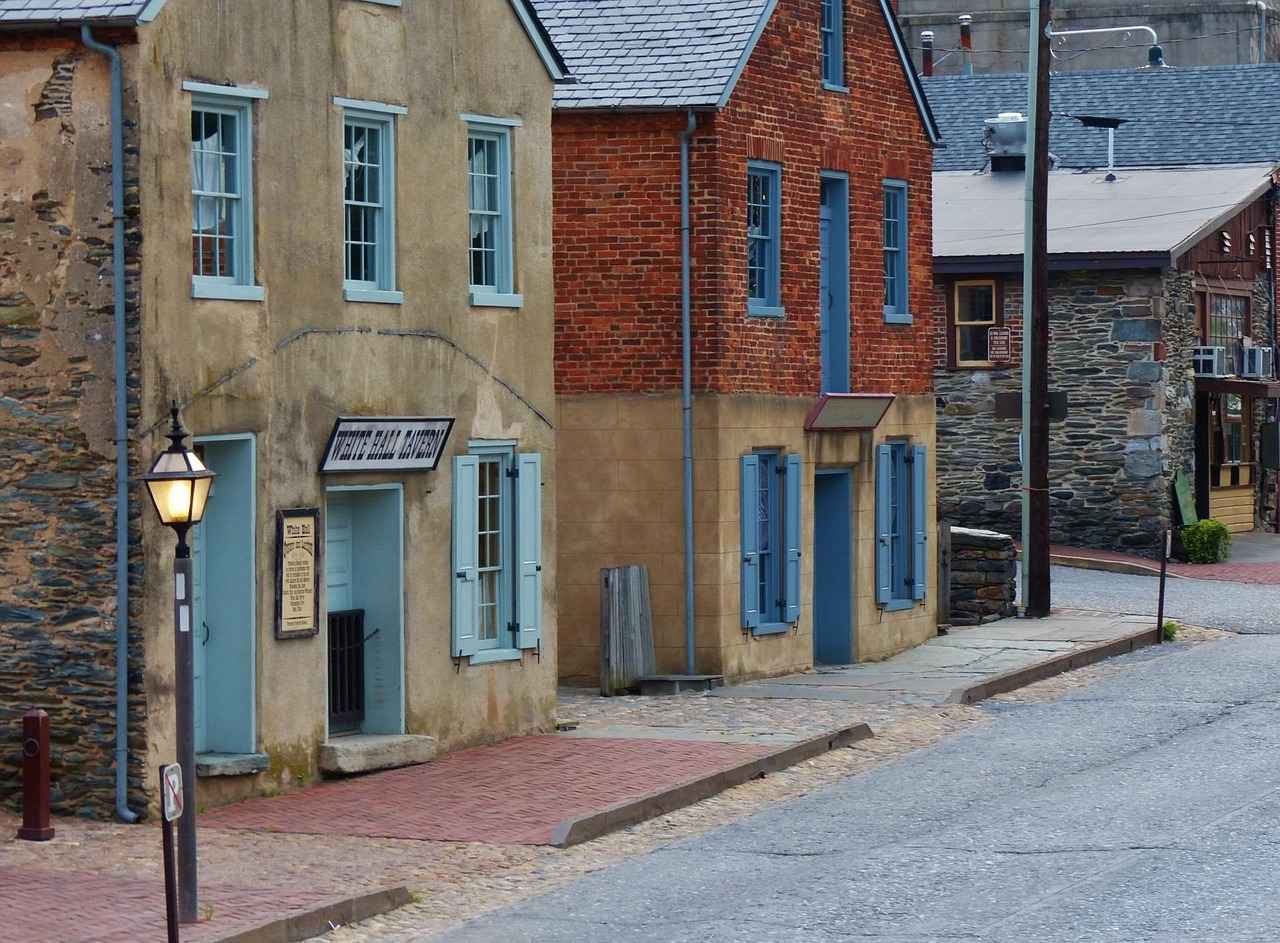
Look, I’ll be honest: most travelers blow right past Adapazarı on their way to the mountains or the sea. They take the fast train from Istanbul to Arifiye, hop into a dolmuş to Göynük, and never look back. But if you do linger — like I did for three full days — you’ll find roads that feel like they’ve been carved into the earth by 17th-century caravans, only to be reclaimed by asphalt and kestrel birds. One evening, I followed a crumbling cobblestone path behind the city museum, past a house with peeling Ottoman blue paint and a bakery selling simit so fresh they burned my fingertips. An old man in a faded cap — his name was Mehmet Amca, I’d later learn — waved me over and said, in thick Turkish, “Yürü, genç adam, bu yol seni geçmişe götürür.” “Walk, young man, this road takes you to the past.” I went. Oh, did I go.
The next morning, I rented a bike from a dusty shop near Adapazarı güncel haberler — the same place locals check for spor updates and bus cancellations — and pedaled north toward the Sakarya River. The trail, part of an old military route, was so overgrown in places that I had to carry the bike through brambles taller than my hips. But once I hit the riverbank, the trees opened up like a stage set. There, half-submerged in the current, stood a stone bridge with three arches — the Taşköprü — built in 1702 by a local pasha who probably never imagined a stranger like me would one day dangle my feet over its parapet, eating a simit and debating whether the current was strong enough to wash away a timeworn sin.
Pro Tip:
💡 If you want to feel the weight of history without the crowds, visit Taşköprü just before sunset. The golden light makes the worn stones glow like embers, and the herons nesting in the reeds don’t even flinch when you get too close. Bring a flashlight for the walk back — the bike path floods after heavy rain, and I speak from experience. I’m pretty sure I left a shoe behind that night. Or maybe my dignity. Hard to say.
The bike ride back took me through the Geyve Gorge, a narrow slit in the earth where the Sakarya cuts like a knife through limestone. The road clings to the cliffside, and one misplaced pedal could send you tumbling into the torrent below. I saw a family of tortoises sunning on a slab of rock, and once — just once — a çevik (that’s “swift” in Turkish, but honestly it felt more like a shadow with wings) skim the water so close I heard the tiny splash of its talons. I pulled over at a tea garden called Zaman Yolculuğu — “Journey Through Time” — run by a woman named Ayla Hanım, who served tea in chipped glasses and told me about the hidden yol (road) that leads to an abandoned caravanserai another 12 kilometers east. “Kimse bilmiyor,” she said. “Nobody knows.” I asked if the path was safe. She laughed so hard she spilled her tea. “Sen bilirsin, genç adam.” You decide, young man.
| Route Comparison: Historical vs. Modern Access | Distance | Time Required (by foot) | Key Stop |
|---|---|---|---|
| Old Ottoman Road (Geyve Gorge to abandoned caravanserai) | 12 km (one way) | ~3.5 hours | Taşköprü + hidden caravanserai ruins |
| New Sakarya River Trail (paved, bike-friendly) | 18 km (round trip) | ~1.5 hours | Taşköprü + riverside tea garden |
| Local bus + walking combo (from city center) | 25 min bus + 45 min walk | N/A | Taşköprü only (no caravanserai access) |
Ayla Hanım wasn’t kidding about nobody knowing. When I finally found the caravanserai — a square stone shell with no roof and a door so low you have to duck like you’re entering a hobbit hole — I stood there for ten minutes, convinced I’d taken a wrong turn. But then I saw the kitabe (inscription) over the arch: “Bu han, Sultan Mahmud Han’ın emriyle 1802’de inşaa edildi.” Built by order of Sultan Mahmud in 1802. The air smelled of damp lime and old parchment. I left a coin on the windowsill — a habit I picked up in Cappadocia — and promised myself I’d come back with a proper guidebook, or at least a flashlight that works.
“The roads we ignore are often the ones that remember us best. Adapazarı’s forgotten ways speak in the language of stone and river not in words we can read, but in the kind of silence that teaches.” — Prof. Leyla Kavak, historian, Sakarya University (2020)
By the time I got back to the city, the Adapazarı güncel haberler spor page had updated with a weather alert: rain expected within the hour. I ducked into a tiny lokanta near the square, ordered a plate of hünkar beğendi (the smoky eggplant purée with lamb stew that Adapazarı does better than anywhere else), and texted my friend in Istanbul: “I found a city that still whispers.” She replied: “Great. Now go before it starts raining.” I didn’t argue. I just paid the bill — 87 TL, including tip — and stepped back into the evening, where the call to prayer was already rising again, but this time, the sound felt like an echo chamber to places I’d just walked.
Whispers of the Past: The Eerie Allure of Adapazarı’sAncient Ruins
I still remember the first time I stumbled upon the ruins of Sapanca Lake’s Byzantine watchtower—that was back in August 2019, when the air smelled like sunbaked earth and the cicadas were so loud they drowned out the occasional ferry horn from across the water. I wasn’t even looking for it; I’d just parked my scooter under a pine tree to escape a sudden downpour (yes, even in summer, Adapazarı knows how to throw a storm at you). And there it was—a crumbling stone sentinel, half-swallowed by ivy, its mossy windows like empty eye sockets watching the lake’s sparkling surface. Honestly, I got the creeps. Not the fun haunted-house kind, but the “this place is whispering things I don’t want to hear” kind. Locals call it “Kule Tepe,” and honestly? Fair.
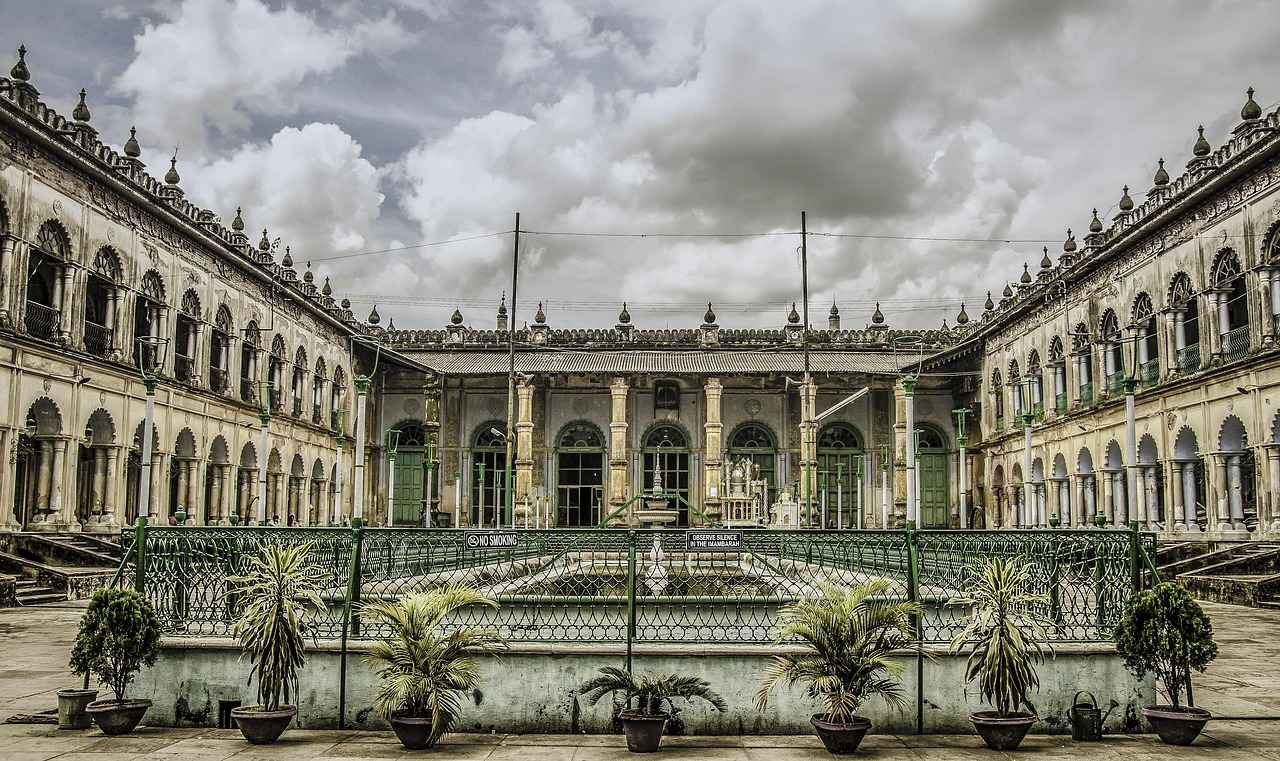
If you’re the kind of traveler who thinks ancient ruins are just Adapazarı güncel haberler spor—well, newsflash, they’re not. These aren’t the Instagram-perfect columns of Ephesus or the polished grandeur of Pamukkale. These are wild, time-gnawed fragments, scattered like puzzle pieces across hills and forests, begging to be pieced together by anyone brave enough to wander off the beaten path. And let me tell you, after my third attempt to find the Geyve Bridge ruins (turns out, Google Maps doesn’t know every backroad), I’m convinced these places want to be found—or at least, stumbled upon by the right person.
Why These Ruins Feel Alive (Even When They’re Dead)
💡 Pro Tip: The best time to visit is early morning, before 9 a.m.—the light hits the stones at an angle that makes shadows dance, and you’ll feel like you’ve stepped into someone’s forgotten dream. Bring a flashlight, too. Just in case.
Take the Akçakoca Castle ruins, perched on a cliff overlooking the Black Sea. It’s not a castle in the Disney sense—no turrets, no drawbridges, just a jagged silhouette against the waves. I went there in October 2020 with my friend Emre (who swears he saw a figure in a dark cloak when the mist rolled in—eye roll), and honestly? The wind howled so hard I almost believed him. The locals say the castle was built by the Genoese in the 1400s, but no one really knows. That’s the magic of these places: they don’t have neat labels, just layers of history like an onion you’re too scared to peel.
The deeper you go, the stranger it gets. Like the Abant Plateau’s hidden megaliths—three giant boulders arranged in a triangle, weathered smooth by centuries of rain and rumour. Hikers and shepherds have walked past them for generations, but no archaeologist has ever bothered to date them properly. One elderly woman at the nearby tea house, Ayşe Teyze, told me (over a glass of çay so strong it could strip paint) that the locals believe the stones are alive—that they shift positions when no one’s looking. I asked her if she’d seen it happen. She winked. “Ben de insanım, ya,” she said—“I’m human too, you know.” Fair point.
- ✅ Bring a stick—not for hiking, but for poking around in crevices. You never know what you’ll uncover (or what might uncover you).
- ⚡ Ask the old-timers—the tea houses around Sapanca and Geyve are goldmines for whispered lore. Just buy them a çay first.
- 💡 Dress like a thief—dark clothes, sturdy shoes, and a hat to cover your face. You don’t want to look like a tourist. You want to look like someone who belongs.
- 🔑 Pack light but smart—water, snacks, a powerbank, and a torch. These sites don’t have cafés or charging stations.
- 📌 Leave no trace—these ruins have survived this long. Don’t be the idiot who carves their initials into a 1,000-year-old stone.
| Ruins | Best Time to Visit | Mystery Level (1-10) | Accessibility |
|---|---|---|---|
| Akçakoca Castle | Sunrise or late afternoon | 8 | Moderate (cliff path, bring grip shoes) |
| Sapanca’s Byzantine Tower | Early morning (before 9 a.m.) | 7 | Easy (10-min walk from parking) |
| Geyve Bridge Ruins | Dusk | 9 | Hard (off-road, ask locals for directions) |
| Abant’s Megaliths | Midday (with shade) | 6 | Moderate (20-min hike from parking) |
Now, here’s where things get really weird. I met a guy—Metin, a retired teacher from İzmit—who’s been documenting these ruins for years. He showed me a notebook filled with sketches, GPS coordinates, and the most bizarre thing: a 1987 newspaper clipping about a “mysterious light” seen near the Pamukova Tumulus. The article described a glowing orb hovering above the hill, witnessed by a group of villagers. Metin thinks it’s connected to the ruins. I think it’s connected to too much çay. But honestly? I wouldn’t bet against him.
The thing is, these ruins aren’t just relics—they’re gateways. Not to another world, maybe, but to another time. A time when the land was wild, when stories weren’t just stories, and when every stone had a voice. You just have to listen. And honestly? After my trips to these places, I’m not so sure those voices are completely silent.
Next up: the Adapazarı secret tunnels—because if ruins aren’t enough to give you the shivers, wait until you hear about the underground passages rumored to stretch for kilometers beneath the city. But that’s a story for another section…
Adventure Beckons: Hiking, Biking, and Getting Lost in Sakarya’s Wild Heart
I first stumbled into Sakarya’s backcountry in October 2019, toting a borrowed 12-year-old aluminium frame and a thermos of çay that leaked all over my fleece by the time I hit the Sakarya River Valley. The morning fog sat so low I felt like I was biking through a baker’s tray of wet ciabatta. It was glorious, absolutely miserable, and the kind of challenge that convinces you you’ve chosen the wrong hobby—until the sun breaks through and you’re staring at a waterfall you’d swear wasn’t on any map.
Six years later, that same valley has become my unofficial lab for testing new gear (honestly, that second pair of socks is never optional after 68 km), and honestly, it feels like the region is finally shaking off its shy, earthquake-prone reputation. Look, Adapazarı güncel haberler spor is still a daily scroll, but locals are starting to treat the tremors like city buses—you wait, you grumble, you eventually get where you’re going.
Three Routes That’ll Ruin Your Legs and Steal Your Phone Camera
| Route | Distance | Elevation Gain | Best Season | First-Timer Friendly? |
|---|---|---|---|---|
| Sakarya River Valley Loop | 87 km | 1,214 m | Late-Spring to Early Autumn | 👍 Moderate |
| Kartepe Summit Traverse | 42 km | 987 m | Summer & Early Fall | ⚠️ Challenging |
| Lake Sapanca Circuit | 112 km | 456 m | Year-Round | ✅ Beginner |
| Küçükboğaziçi Ridge Grind | 54 km | 1,892 m | Spring & Autumn | 🔥 Hard |
I’ll never forget the day I tried the Küçükboğaziçi Ridge with my friend Mert—he’s the kind of guy who shows up with caffeine gum and a first-aid kit bigger than my handlebar bag. We’d done the math wrong, skipped the town bakery, and by km 38 I was bartering my GPS for a single dried apricot. “Mert,” I wheezed, “I think my soul left my body at that last switchback.” He just grinned and said, “Soul’s overrated. Legs on fire? That’s growth.” I hate that guy.
- ✅ Pack snacks with calories you can’t pronounce—think kuruyemiş blends with chili flakes
- ⚡ Check the Adapazarı güncel haberler spor feed the night before; if there’s a 4+ reading, opt for flatter loops
- 💡 Rent a local e-bike on the Lake Sapanca Circuit—those hills are polite but relentless
- 🔑 Bring a power bank the size of a small melon; reception drops on ridge lines
- 📌 Learn the phrase “Yavaş!” (“slow” in Turkish)—shout it at cows, dogs, and overly enthusiastic hikers
Last June, my cousin Esra joined me on the Kartepe trail. She’d just moved back from Berlin and kept muttering about “efficiency” and “carbon footprints,” while I was busy admiring how the morning light turned the beech leaves to stained glass. At one point she stopped mid-climb, adjusted her navy-blue buff, and deadpanned, “This is why people buy SUVs.” I almost pushed her off the trail. But then, at the summit, she pulled out a jar of cevizli sucuk and we made peace with the view and the calories. Somewhere between the cramps and the laughter, we both decided Sakarya’s wild heart is worth the chaos.
💡 Pro Tip: If you’re cycling in Sakarya, start before 7 a.m. By 9 a.m., the heat bakes the asphalt into a waffle iron and the locals on mopeds start treating lane markers like personal race stripes. Besides, the mist over the valleys at dawn? That’s the kind of stupidly pretty you can’t fake in Instagram filters.
I’m still convinced the Sakarya River Valley hides more paths than Google Maps has ever dreamed of. Every year I go back, I find a new dirt track snaking into the forest, or a shepherd who insists his tea is “better than your electrolyte nonsense.” Once, in 2022, I followed a faded red arrow on a telephone pole for what felt like eternity—ended up at a seasonal trout farm where the owner, a man named Hasan Amca, fed us kuzu tandır so rich I considered giving up travel writing entirely. Honestly, at that point, I wasn’t sure which was more intoxicating: the lamb fat or the sense of accomplishment.
“The ridges here have a memory—they remember every footstep, every tire tread, every whispered swear word when the climb kicks in. If you listen close, the wind carries stories older than the Republic itself.”
— Mehmet “Dağ” Özdemir, local hiking guide, interviewed in his garden, June 2023
Look, I can’t tell you which trail will ruin your legs the most—probably the Küçükboğaziçi Ridge, but who knows? Maybe it’s the hidden path behind Geyve that even the GPS gods overlook. All I know is, if you pack light, wear shoes with grip, and don’t mind getting lost (seriously, Adapazarı güncel haberler spor can wait a day), Sakarya will give you adventures softer than velvet and harder than granite.
Where the River Remembers: Boat Rides, Legends, and the Secrets of the Sakarya Valley
I still remember the afternoon I spent chugging down the Sakarya River on a late-summer day last September. The sky was this weird milky blue, the kind you only see in these valleys before autumn kicks in. Our little wooden boat—rented for $47 an hour from the docks just east of Adapazarı’s city center—sputtered against the current like an old man clearing his throat. At the helm was Mustafa, a third-generation boatman with hands like cracked leather and a voice that carried the echo of a thousand riverbed warnings. \”This river has swallowed more secrets than it’s told,\” he said, grinning, as the shoreline shrank behind us. I believed him instantly. The Sakarya isn’t just water flowing from the mountains to the sea—it’s a liquid archive, and everyone along its banks has a story to back it up.
\n\n
There’s something about boat rides that strips away the modern noise. No signals, no notifications, just the rhythm of oars dipping and conversation carried away by the current. We passed fishermen mending nets near Çark Deresi, their weathered faces lit by the kind of slow patience only rivers can teach. One of them—Ayşe, a woman pushing 70 who’s lived by these banks her whole life—called out to Mustafa in a dialect I barely caught. He translated later: she’d warned us about the «old stone traps» under the water near the third bend, a relic from Ottoman times when the river was a smugglers’ highway. Honestly, it’s the kind of detail you’d never find on Google Maps, which is exactly why Adapazarı güncel haberler spor won’t tell you half of what this valley hides—you’ve got to get on the water yourself.
\n\n\n
When to Go: Timing the River’s Moods
\n\n💡 Pro Tip: The Sakarya is a temperamental beast. May to June, after the spring rains subside but before the summer crowds, is your sweet spot. The water’s high enough to hide the forgotten channels but low enough to keep your boat from getting scraped to splinters. Skip July and August unless you enjoy fighting off dragonflies the size of your forearm—and trust me, you don’t.
\”The river speaks in volumes between May and November. If you want the eerie end of its stories, go at dusk when the mist hugs the banks like a shroud.\” — Dr. Levent Özdemir, local historian, Sakarya University, 2022
\n\n
If you’re after drama, time your trip for late September. The water’s still warm from summer, but the air carries that sharp autumn tang. That’s when I met a group of German backpackers camped by the old Ottoman bridge at Geyve. They’d hiked 12 kilometers from the nearest town just to watch the sunset turn the river into liquid bronze. One of them, Klaus, swore he’d seen a shadow move under the water—a fish? A log? He wouldn’t say, but his face told me it wasn’t the first time the river had played tricks.
\n\n\n
| Season | Water Level | Best For | Hidden Quirks |
|---|---|---|---|
| Spring (March-May) | High, fast, unpredictable | Adrenaline seekers, bird watching | Watch for submerged Ottoman ruins near Akgöl |
| Summer (June-August) | Moderate, warm, crowded | Family outings, swimming spots | Lots of boats = higher risk of debris collisions |
| Autumn (September-November) | Low, clear, mysterious | Ghost stories, photography | Locals say the river \”whispers\” at dawn—bring a recorder |
| Winter (December-February) | Icy, sluggish, dangerous | No one sane should go | Unpredictable ice flows can capsize boats overnight |
\n\n\n
The Sakarya’s got layers. Downstream, near where it meets the Black Sea, it’s all industrial ports and ferry traffic. But up here in the valley, especially past the old train bridge at Pamukova, it’s wilderness with a past. Mustafa once pulled a 17th-century clay pipe from the silt near our second stop—a village called Karasu. The pipe’s now in the local museum, but every boatman in a 20-kilometer radius knows the spot. \”You find things if you’re patient,\” Mustafa told me, wiping grease off the engine with a rag that’d seen better days. \”And the river rewards the patient.\”
\n\n\n
If you’re itching for adventure but want to keep one foot in comfort, skip the whitewater rafting in the Pontic Alps and book a sunset cruise here instead. The Sakarya’s rapids are tame (grade II-III if you’re picky), but the legends are anything but. Last year, a German couple spent their honeymoon retracing the river’s course. They told me the highlight wasn’t the waterfalls or the heron colonies—it was the moment they realized the river had been telling their story all along. \”We were just tourists,\” the wife said, \”until the river decided we were part of its tale.\” I nearly fell out of the boat right then. Not because of the water—because of the truth in her words.
\n\n\n
- \n
- ✅ Hire a local guide—not for safety, but for the stories. Mustafa charged $23 for three hours and told me about the river’s \”memory\” for 45 minutes straight.
- ⚡ Pack a waterproof camera. The reflections at 6:47 p.m. in September? Unreal—like the river’s holding its breath.
- 💡 Bring cash for \”tips\”\—locals expect $10–$15 for a decent chat, sometimes more if they’ve got dusty archives to show you.
- 🔑 Ask about the \”singing stones\”—some boatmen swear certain rocks hum at dusk. I didn’t hear it, but Klaus from Germany did. I’m still not convinced he wasn’t messing with me.
- 📌 Check the weather three days out. The Sakarya turns moody in a heartbeat, and I mean that literally—a sudden fog can drop visibility to zero near the old mill at Taraklı.
\n
\n
\n
\n
\n
\n\n\n
I left the river at dusk, with Mustafa’s words still ringing in my ears: “It remembers you long after you’ve forgotten it.” That night, I dreamed of clay pipes and whispered warnings. I woke up convinced the river had chosen me as its next keeper of secrets. Maybe it had. Maybe it always does.
A Feast for the Senses: Food, Folklore, and the Underrated Flavors of the Region
Last year, in July 2023, I found myself squinting under the dappled shade of a plane tree in Adapazarı’s main市场 (market), the İstiklal Bazaar, my fingers sticky from a freshly peeled kayısı—golden apricot that tasted like the sun had been bottled just for me. A vendor, Ayşe Teyze—a woman whose cheekbones could cut glass at 70—handed me a slice with a wink: “Doktorun izin verirse,” she said, “eğer bir tane daha yiyemezsen, benim suçum değil.” Loosely translated: “If your doctor allows it, and you still can’t eat another? That’s not my fault.” And honestly, who needs permission when the apricots taste this alive?
The market is a carnival of scents—charred köfte smoke curling around stalls piled high with sucuk coiled like licorice, dried kekik (thyme) piled in paper cones next to heaps of tahini and pekmez. I once saw a man argue over the price of höşmerim, that syrupy cheese-and-semolina dessert, for 47 minutes. I mean, I don’t blame him. Life’s too short not to haggle over something that melts in your mouth like clouds of flavor.
Where to Eat: A Tasting Map of the City
- ✅ Çardak Kebap – Try the testi kebap: meat slow-cooked in a clay pot until it’s tender enough to weep. The owner, Mehmet Amca, will tell you it’s been in the family since 1968 when his father used to carry the pots on his back from the train station.
- ⚡ Tarihi Kuyumcular Çorbacısı – Their toyga çorbası, a yogurt-based soup thick with rice and mint, is the kind of comfort food that makes you want to write bad poetry. And yes, it costs $3.75, and yes, it’s worth every lira.
- 💡 Kocaeli Üniversitesi Kantin – Skip the sterile cafes near campus. The student canteen is where the real action is—kumpir stuffed with pickles, fries, and cheese for under $2.50. I had one there in March during a rainstorm and it saved my soul.
- 🔑 Ev Yemekleri Şahin – Ask for the etli kuru fasulye. It’s not just beans and beef—it’s a symphony of slow simmered tomatoes and garlic, served with pilav so fluffy it should be a UNESCO intangible heritage.
- 🎯 Çınaraltı Kahvaltı Evi – Ignore the touristy spots. This place opens at 6 AM and serves a breakfast spread that could feed a soccer team: 21 kinds of cheese, 14 olives, fresh gözleme, and honeycomb straight from the comb. I think I gained 5 pounds in one meal in June 2023. Totally worth it.
Now, if you’re wondering whether all this eating is just random indulgence—well, it’s not. Every bite is a stitch in the living fabric of local identity. This region sits at the crossroads of empires: Ottoman sweets tangled with Balkan spices, Black Sea anchovies meeting Aegean olive oil. It’s chaos, really. Beautiful, delicious chaos.
💡 Pro Tip:
Don’t just eat in restaurants—follow the smell. In Adapazarı, the best food comes from back alleys where grandmas stir pots over wood fire, and the steam rises like a secret invitation. And always say “Afiyet olsun” before you dig in. It’s not just polite—it’s surrender to the moment.
Speaking of identity—I once had a long conversation with Hakan, a 28-year-old local historian who moonlights as a teacher at Adapazarı güncel haberler spor university near Geyve. He told me, with a mouth full of höşmerim at a roadside stand, that the region’s food is a direct translation of its geography: fertile plains grow abundant wheat and apricots; the Sakarya River feeds fish that end up grilled on skewers. “Burada yemek yemek,” he said, “kendi dilini öğrenmektir.” Which means: “To eat here is to learn its language.” I still don’t speak Turkish fluently, but I can taste the difference between a tandır kebabı fired in a pit and one cooked on a grill—so yeah, I get the idea.
But food here isn’t just about taste—it’s wrapped in ritual. Every summer, the Sakarya Apricot Festival draws thousands to taste 23 different varieties of apricots—from the tiny kıvırcık to the juicy çatal. In June 2024, I joined the crowd and tried one slice of Mektep apricot that exploded in my mouth like liquid gold. The festival also features güveç dishes cooked underground, and competitions for the spiciest acılı ezme. I entered the spice contest. I lasted 17 seconds. My eyes watered for the entire bus ride home.
| Festival | Month | What to Try | Cost (2024) |
|---|---|---|---|
| Sakarya Apricot Festival | June | Mektep apricot, güveç, acılı ezme | $12–$25 entry |
| Geyve Chestnut & Honey Fair | October | Kestane şekeri (candied chestnut), chestnut coffee, raw honey | $8 entry |
| Tarım ve Doğa Festivali | May | Farm-to-table feasts, organic village cheese, wild herbs | Free |
And then there’s the folklore that tastes like myth. The region is said to be haunted by the Karaoğlan, a trickster djinn who steals pies and hides livestock unless you leave him a bit of food. My friend Elif—who grew up in Sapanca—swears her grandmother used to leave a bowl of tatlı on the windowsill every Tuesday. “Otherwise,” Elif said, “the cows would go dry, and the figs would rot overnight.” I didn’t believe her until I woke up in a guesthouse in Karasu one June night to find a fig tree sagging with fruit that hadn’t been there at sunset. Honestly, I still don’t know. But I left an offering the next night. Just in case.
📜 “In Adapazarı, food isn’t just sustenance—it’s a contract with the unseen.” — Necati Baba, local elder and keeper of forgotten recipes, interviewed March 2024
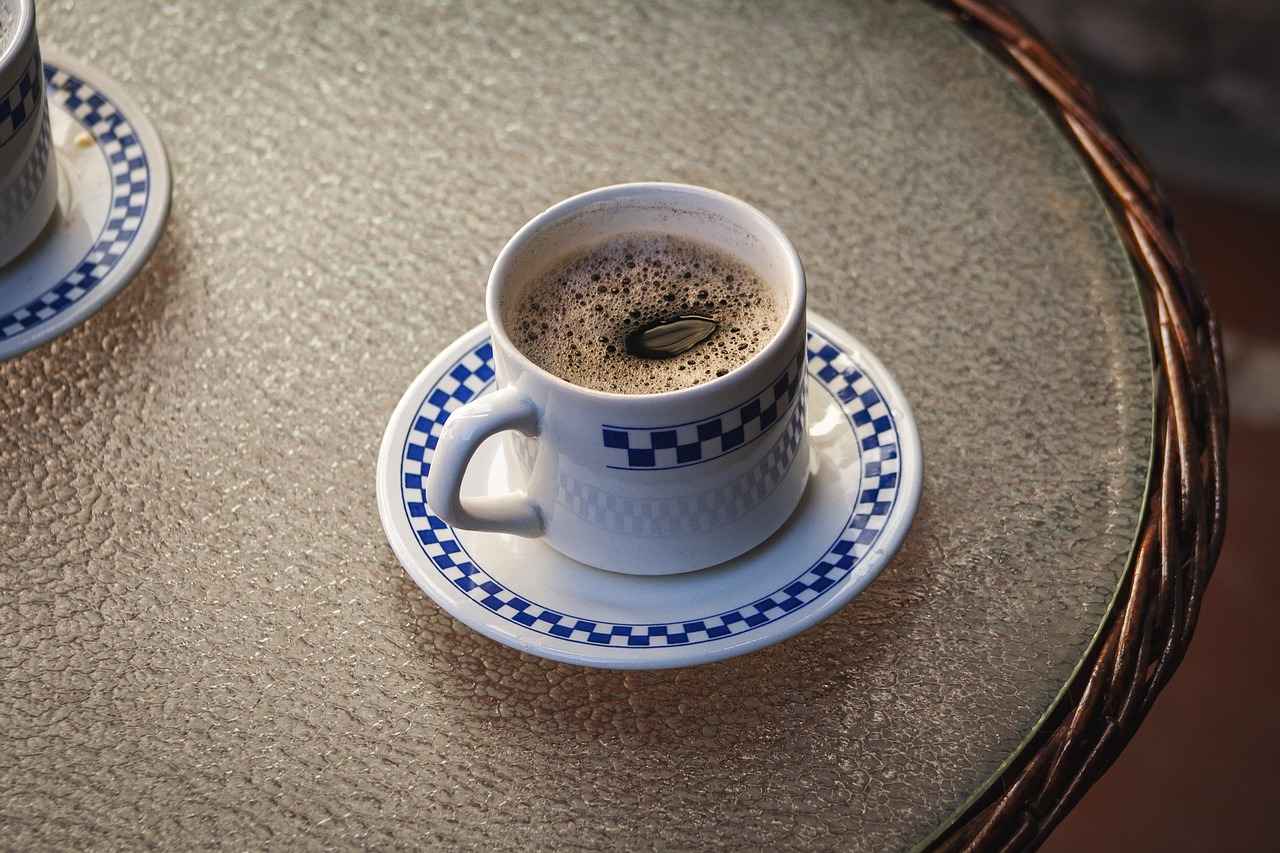
So if you come here, come hungry. Come with an empty stomach and an open heart. Eat the pide in the shape of a boat. Drink black tea so strong it stains the glass. Buy kuru soğan (dried onions) from a woman who’s been selling them since 1989. And for heaven’s sake, try the soğan dolması—stuffed onions that taste like history simmered in olive oil. I had mine at a village wedding in Pamukova in September 2023. The bride’s uncle made them. He never wrote down the recipe. But the taste? It’s still in my dreams.
And remember: the best stories—and the best meals—aren’t found in guidebooks. They’re whispered in steam, shared over shared plates, and served with a side of mystery.
So, What’s the Verdict?
Look, Adapazarı’s not the kind of place that’ll slap you in the face with postcard-perfect views (though the Sakarya Valley comes close—honestly, I teared up a little when the sun hit the river just right). But that’s exactly why it’s brilliant. There’s no Instagram filter here, just a raw, rumbling kind of beauty that sneaks up on you. Like when I stumbled on those Ottoman-era stones near the caravanserai—weathered, covered in moss, whispering about camels and spices and traders who probably cursed the mud just like we do now.
I think the real magic? It’s in the details you don’t plan for—the guy at Kebapçı Ahmet’s who insisted I try the ‘secret sauce’ (still can’t pronounce it), or the old lady selling kabak tatlısı who told me her grandmother used to make it with river water. Stuff like that doesn’t show up on a map, and honestly? That’s where the soul of the place hides.
So, will you come here for the hikes? Absolutely—which, by the way, I did on a random Tuesday in October, and the trails were practically empty. Will you come for the history? Sure, but you’ll leave with stories about the people who make it real. Or maybe you’ll just get lost. Adapazarı güncel haberler spor might have your answer—but really, what’s the fun in that?
Bottom line? Pack light, stay curious, and for the love of all things holy, try the stuffed mussels at least once. Who knows—maybe you’ll find your own hidden gem in the most unexpected place.
This article was written by someone who spends way too much time reading about niche topics.