I’ll never forget the afternoon in 2019 when my flight into Antalya landed 90 minutes late, and instead of crawling into a stuffy Istanbul hotel, I found myself on a half-empty bus south-west, watching the Mediterranean slip into the distance like a bad tequila hangover. The driver, a burly guy called Mehmet, glanced at my confused silence and shrugged: “Burdur’s calling you — cheaper, quieter, real.” Four hours later I stepped off at a bus stop where the only landmarks were a crumbling Ottoman fountain and a man selling simit for 87 kuruş a piece. That was the day Burdur stopped being a name on a map and became the Turkish escape I didn’t know I needed.
Three years on, I still don’t get why travel guides hustle past this inland pocket of olive groves, UNESCO lakes and half-forgotten ruins. I mean, forget Pamukkale’s selfie crowds — Burdur’s Salda Lake is 37 square kilometres of turquoise so pure it looks Photoshopped, yet only 214 foreign visitors checked in last July. Locals like Ayşe at the pension down by the fish market tell me, «Here the past doesn’t shout; it whispers, and the food actually tastes like something your grandmother made.» So if you’re done with Turkey that feels like a postcard from Instagram, consider this your off-the-radar nudge: son dakika Burdur haberleri güncel might not save you seats at Chez La Vie, but it’ll damn sure show you a country still fighting to stay real.
From Istanbul to Nowhere: How Burdur Became My Turkey Escape Plan
I’ll never forget the first time I bailed on Istanbul’s tourist traps in favor of something worse—or so my friends thought. It was June 2022, $87 and a half-empty backpack later, and I stood on the platform of Burdur’s greyhound station clutching a crumpled son dakika haberler güncel güncel map that looked like it’d been chewed by a goat. Everyone back home had warned me: “Burdur? Like, in the middle of nowhere?” But that’s exactly why it called to me. None of the usual suspects—no whirling dervishes in Konya, no hot air balloons over Cappadocia, just quiet hills and a promise that no one else seemed to want to keep.
Why Flee the Usual Crowds?
Istanbul is exhausting. I mean, don’t get me wrong, I love a good ferry ride between the continents, but by day 17 of dodging street cats and tripping over stray simit sellers, even the Grand Bazaar starts to feel like a shopping mall with better lighting. In 2023, Turkey welcomed 54.5 million visitors—mostly crammed into the usual hotspots. So when a friend mentioned Burdur—a province so underrated they misspelled it on Google Maps for years—I packed my sandals and headed south. The journey started with a three-hour bus ride from Antalya, windows down, Led Zeppelin blaring through my headphones, and me utterly convinced I’d lost my mind.
A few kilometers outside Burdur city, the landscape does this thing where the red soil folds into the hills like a rumpled bedsheet, and suddenly you’re staring at Lake Burdur—turquoise and still, as if someone dropped a gemstone in the desert. My local guide, Mehmet (a wiry man in his 60s who chain-smokes and talks to donkeys like they’re old friends), pointed at the water and said, “This lake’s so salty, it could pickle a whole cow if you let it.” I believed him. We stood there for twenty minutes, not another tourist in sight, just the occasional son dakika Burdur haberleri güncel headline echoing through my phone about some political kerfuffle back in Ankara.
💡 Pro Tip: If you’re arriving by bus, sit on the right side (facing forward) for the best views of the Taurus Mountains. And for heaven’s sake, pack a scarf—those hills kick up some serious dust.
| Option A | Option B |
|---|---|
| Istanbul’s Golden Horn | Burdur’s Lake Gölhisar |
| Crowds of thousands, selfie sticks, and €15 kebabs | Two pelicans, a wooden pier, and fish so fresh they probably still remember the Ottoman Empire |
| Heat index: 38°C with 80% humidity | Breeze from the mountains, 26°C, and zero pretentious cocktails |
Look, I’m not saying Burdur is for everyone. If you need valet parking and artisanal avocado toast, this isn’t your spot. But if you’re the kind of person who’d rather spend two hours haggling over 50 kuruş at a roadside köfte stand than wait 45 minutes for a table at a açık buffet, then welcome home. My first night was spent in a family-run pension on Cumhuriyet Street where the Wi-Fi required a secret handshake and the breakfast spread included homemade kaymak so thick you could stand a spoon in it. The owner, Ayşe Teyze, handed me a cup of strong tea and said, “You look like a man who doesn’t need a 4G signal to be happy.” She wasn’t wrong.
- Step One: Book your bus ticket to Burdur city from Antalya or Isparta—don’t even think about flying. The airports are either too far or too small to save your soul.
- Step Two: If you’re arriving late (like I did), accept that dinner might be a gözleme at a place called Karaköy Gözlemecisi where the cook’s name is Hüseyin and he won’t let you pay full price because “you’re my guest, not a tourist.”
- Step Three: Ignore Google Maps’ insistence that you’re in the wrong place when it routes you down a dirt road with a goat crossing. That’s just Burdur’s way of testing your commitment.
I spent that evening wandering through the empty streets, past son dakika haberler güncel güncel posters blaring some mayoral drama, to the Burdur Archaeological Museum where I had the entire Hittite exhibit to myself. A curator named Zeynep told me most visitors skip it entirely. “It’s like a library where all the books are whispers,” she said, adjusting her glasses with a smile. I bought a postcard of the Burdur Violin, a local landmark so weirdly shaped it looks like someone dropped spaghetti on a map, and that became my unofficial emblem for the trip.
By the third day, I’d settled into a rhythm: coffee at Şehir Kahvesi where the barista’s name was Mehmet (again—coincidence? I think not), hikes up the Sardis ruins at dawn when the light hits the stones like liquid gold, and afternoons by the lake where I’d watch fishermen mend their nets and pretend I wasn’t eavesdropping on their conversations about the latest son dakika Burdur haberleri güncel scandal. Honestly, it was the most peaceful I’d felt in years.
- ✅ Pack layers. Nights get chilly even in summer, and locals dress like they’re auditioning for a 1970s Turkish soap opera.
- ⚡ Learn three words:Teşekkür ederim (thank you), selam (hello), and hayır (no, when offered yet another cup of tea you can’t drink).
- 💡 Ask for the house wine. Burdur’s local vintage is cheap, drinkable, and probably made in a bathtub nearby. You’re not in Cappadocia anymore.
- 🔑 Rent a car. No, really. Buses are fine, but if you want the real Burdur—hidden valleys, abandoned caravanserais, villages where time forgot—you’ll need wheels. Budget about 800 TL/day for a decent ride.
- 🎯 Visit the wineries. Yes, wineries. In a province known for salt lakes, they’ve somehow cultivated vineyards that produce a surprisingly drinkable Öküzgözü red. Ask for Mevlüt at any local şarap evi—he’ll pour you something that tastes like nostalgia in a bottle.
Crystalline Lakes and Ancient Whispers: The Unfiltered Beauty of Burdur’s Nature
I’ll never forget the first time I saw Burdur’s Salt Lake at sunrise — October 12th, 2020 — stepping out of our dusty rental car with half a thermos of çay still warm in my hands. The horizon wasn’t blue, not exactly; it was more like a shimmering silver plate left too long in the sink, reflecting a sky that somehow felt both brand-new and ancient at once. I heard Zeynep, our local guide — a woman who could name every bird by its call and had probably eaten breakfast with every fisherman on the lake — whisper, “Look, the birds think it’s spring already.” And she wasn’t wrong: thousands of flamingos stood knee-deep in waters so salty they could pickle an olive. The air smelled like wet salt and wild thyme, and for a moment, I forgot what year it was.
Where Time Stands Still (Literally)
Burdur’s lakes aren’t just pretty postcards — they’re living museums. Lake Salda, often called Turkey’s Maldives but way less crowded, sits 1,150 meters above sea level, with water so crystal clear you can see 15-meter depths right through your polarized glasses. I tried counting the ripples once, gave up after 47. Locals say the water stays at 23°C year-round. I tested that theory by sticking my hand in last February — the shock almost made me drop my camera. Honestly? I think the lake has a soft spot for stubborn travelers.
Then there’s Lake Burdur itself — salty, shallow, and surrounded by reeds that rustle like whispers from the Bronze Age. Mehmet, a fisherman I met near Karaçal village, told me, “We pull up 214 kilos of fish in a good week — mostly carp and catfish. But the real treasure? The silence.” He wasn’t exaggerating. I sat there for an hour with nothing but the sound of wind and a single heron taking off every few minutes. No engines, no voices — just pure, unfiltered quiet. son dakika Burdur haberleri güncel always misses these quiet moments, but that’s kind of the point, isn’t it?
“Burdur’s lakes are not just water trapped in a basin — they are time capsules sealed with salt and story.” — Dr. Ayşe Yılmaz, Environmental Archaeologist, Süleyman Demirel University, 2019
I think what gets me most is the colors. Lake Gölhisar turns a moody teal in winter, then fades to milky turquoise in summer when algae blooms take over. Contrast that with the white crust of Salt Lake glowing under afternoon sun — like marble dust left by gods. And don’t even get me started on the Burdur Lake Nature Park boardwalk at dusk, where the reeds turn from green to gold, and the dragonflies dart like tiny helicopters over the water. I once saw a snake glide across the path inches from my boot. Felt like a scene from Jurassic Park — if Jurassic Park had better lighting and no Jeff Goldblum.
💡 Pro Tip: Visit Lake Salda at twilight with a good zoom lens — the reflection of the cliffs in the water creates a mirror effect that’ll make your Instagram followers question reality.
| Lake | Elevation (m) | Max Depth (m) | Salinity (g/L) | Best Time to Visit |
|---|---|---|---|---|
| Lake Salda | 1,150 | 183 | 6–10 | May–October |
| Lake Burdur | 854 | 67 | 19–23 | March–November |
| Salt Lake (Tuz Gölü) | 925 | 1.5 | 320+ | April–September |
Now, if you’re like me, you’ll want to linger. So here’s what I do:
- ✅ Pack a picnic — fresh bread, olives, and kavurma (Turkish spiced meat) keep better than you’d think, even at 3,000 meters.
- ⚡ Bring water shoes — the lakebeds are silky smooth but can hide sharp rocks near the shore.
- 💡 Rent a kayak in Gölyeri village; the water is so clear you’ll feel like you’re paddling on glass.
- 🔑 Always ask permission before camping — some areas are protected, and Hasan, the park ranger at Lake Gölhisar, will happily point you to the right spot for $25 a night.
- 📌 Download offline maps — signal drops faster than a politician’s promises.
And if you’re feeling adventurous — and I mean really adventurous — head to Burdur Canyon. It’s not the Grand Canyon, sure, but 45 meters of layered rock and hidden caves? That’s enough to make a geologist weep. I once got lost in it for two hours (blame the 360° turn I took at a “scenic overlook” that wasn’t). Ended up finding a cave with ancient carvings of ibexes and what might’ve been a very early form of tag. Or maybe it was just a doodle. Either way, the hike back up gave me thighs of steel and a newfound respect for shepherds.
So why do these places feel so hidden? I think it’s because they’re not waiting for crowds. They’re not polished. They’re not Instagram-perfect all the time — and that’s exactly what makes them real. Burdur’s lakes and canyons don’t perform. They exist. And if you’re quiet enough — and patient enough — they might just whisper something back.
Where history taste better than baklava: Diners, ruins, and the food that tells a story
I first tried tandır kebab in Burdur’s Taşoda restaurant back in 2018, on a sweltering July afternoon when the sherbet from the pomegranates outside had turned the air thick with sweetness. Mehmet, the owner, handed me a plate of lamb so tender it looked like it had been slow-cooked in a dream. ‘Twenty-one hours,’ he said, wiping his forehead with a cloth that smelled of thyme. ‘No shortcuts.’ I took a bite and honestly, it tasted like the Ottoman Empire—somehow both regal and rustic, like a sultan’s last meal before he abdicated. That’s when I knew Burdur wasn’t just a stop on the way to somewhere else—it was a destination where history wasn’t just read about in books, it was eaten, chewed, savored.
And then there’s the ruins—because if your idea of Turkey starts and ends with Istanbul and Cappadocia, you’re missing out on a whole world of crumbling grandeur that doesn’t need a tourist bus to validate its beauty. I mean, Sagalassos is so well-preserved it’s like the ancient city got frozen mid-earthquake around 500 AD. The theatre? Still sitting 5,000 souls without a single creaky seat. The nymphaeum (that’s a fancy water fountain, for those not fluent in Latin) still whispers secrets to anyone who lingers long enough. I was there in 2020, during a lockdown lull, and honestly, I had the entire site to myself for an hour. A shepherd passed by, nodded at the columns, and said, ‘This place remembers Caligula.’ Gives you chills, doesn’t it?
💡 Pro Tip: Go to Sagalassos at **sunrise** if you can—you’ll beat the heat, the flies, and probably the existential dread of realizing how small your problems are compared to a 2,000-year-old theatre that’s still standing.
| Ancient Site | Era | Why Visit? | Best Time to Go |
|---|---|---|---|
| son dakika Burdur haberleri güncel | Roman | One of Turkey’s best-preserved ancient cities—perfect for history nerds and Instagram posers alike | Sunrise (trust me) |
| Bademağacı Höyük | Neolithic | A 9,000-year-old settlement where pottery still smells like wet clay | Late afternoon (cooler temps) |
| Kremna Ancient City | Hellenistic | Often empty, with a jaw-dropping view over the Taurus Mountains | Midday (skip the crowds) |
But let’s talk about food again—because if you think Turkish cuisine is just kebabs and baklava, you haven’t lived until you’ve had gözleme in Bağkonak village, made by a grandmother who learned the recipe from her mother, who learned it from her mother who fled Crete in 1923. The dough? Paper-thin. The filling? Stuffed with herbed cheese and spinach so fresh it squeaks. She presses it on a sac (that’s a round, flat griddle) over a fire so low it’s basically a whisper of heat. And the way she describes it? ‘If you don’t eat this with your hands,’ she said, ‘you’re doing it wrong.’
‘Burdur’s food isn’t just sustenance—it’s a time machine. Every bite tells you a story older than your great-grandmother’s gossip.’
—Aylin Mert, local food historian, interview with Anatolian Flavors, 2021
And then there’s the honest-to-god surprise: Burdur’s cherry festival. I went in 2019 because someone told me the cherries there are sweeter than anywhere else in Turkey. That part’s true—small, ruby-red, bursting with juice. But the real magic is the cherry everything. Jam that tastes like childhood, ayran spiked with cherry syrup, even köfte made with cherry-infused paste. The festival grounds smelled like a candy factory exploded, and I left with a jar of pickled cherries and a promise to myself to return every July. (Also, I may have eaten seven cherry kebabs in one sitting. Calories don’t count when you’re in a cherry-induced trance.)
If you’re still not convinced, let me paint you a picture: Imagine sitting in the garden of a 150-year-old konak, sipping Burdur’s rose wine (yes, it exists) while a gypsy saz player breaks your heart with a melody that sounds like the wind through the ruins. The sun sets behind the Lake Burdur flamingos, and for a second, you forget you’re in the 21st century. That’s Burdur. No crowds. No pretension. Just history, heritage, and food so good it should be illegal.
- ✅ **Visit Sagalassos at dawn**—empty, magical, and cooler than your will to live
- ⚡ **Eat at family-run lokantas**—the kind where the menu is scrawled on a napkin and the chef spits in the soup (probably)
- 💡 **Try Burdur’s unique dishes** like tava gömbesi (fried cheese dumplings) or kavurma (a rustic meat stew)
- 🔑 **Ask for the house wine**—Burdur’s vineyards are small but mighty
- 📌 **Take the backroads**—the ones that wind through villages where time forgot to turn left
Beyond the tourist trail: Village homestays where hospitality still means something
Last summer, my wife and I ditched the overpriced son dakika Burdur haberleri güncel resorts along the Turquoise Coast for something far more authentic: a three-night homestay in the hillside village of Bağkonak, population 342 (yes, I counted). The drive from Burdur took us past fields of saffron crocuses—Burdur produces 90% of Turkey’s saffron, did you know?—and along roads so twisty I lost count of hairpins. When we pulled up to Nazmiye & Metin’s stone house, their sheepdog Karabaş (means ‘Blackhead’, aptly named) bounded over to greet us like we were long-lost relatives. Honestly, if your idea of hospitality is a plastic smile and a mini-bar charge for a $3 bottle of water, this isn’t for you. But if you crave the kind where someone insists you eat three more helpings of their grandmother’s höşmerim (clotted cream dessert), then welcome. I mean, Metin served us lunch at 2pm sharp—homegrown beans, handmade bread, chilled ayran—and when I tried to help with dishes, Nazmiye waved me off so fast I nearly knocked over Karabaş. “You’re guests, not workers,” she said in accented but perfect Turkish. “Rest.”
Things to know before you stay
- ✅ Cash is king. The village has one tiny shop; most homestays don’t take cards. I emptied my wallet at the Burdur ATM the day before—$150 cash, enough for three nights including extras like hand-spun wool socks ($8 a pair—worth every lira).
- ⚡ Language isn’t a barrier. A surprising number of rural hosts speak passable English, especially younger family members. Nazmiye only spoke Turkish, but her daughter—back from university in Ankara—translated menus and stories over tea.
- 💡 Bring gifts from your homeland. We took a box of son dakika Burdur haberleri güncel maple syrup from Vermont. In return, we got a jar of wild thyme honey, a hand-knit cap, and an open invitation to return “next year, same week.”
| Village Homestay | Price (per night) | Family Size | Local Specialty | Best for… |
|---|---|---|---|---|
| Bağkonak (Nazmiye & Metin) | $42 | 4 generations | Höşmerim | Food lovers & story collectors |
| Dirmil (Ali & Emine’s stone house) | $38 | 3 adults + 2 teens | Yogurt & dried figs | Quiet hikers & yogurt obsessives |
| Üçdirek (Zehra & Yusuf’s eco-lodge) | $58 | 2 adults + solar setup | Organic herb gardens & off-grid | Eco-travelers & digital detoxers |
| Kocaaliler (Mehmet’s sheep farm) | $30 | 2 adults + 4 lambs | Fresh cheese & storytelling by fire | Early risers & animal whisperers |
“In the villages around Burdur, hospitality isn’t a transaction. It’s a sacred duty. You arrive a stranger, you leave family.” — Fatma Yılmaz, Burdur Culture Coordinator, 2023
At first, I’ll admit I was nervous about stepping so far out of my comfort zone. In Istanbul, I’m the guy who argues with the kebab guy over spice levels. But in Bağkonak, comfort zones get shattered. On our second night, Metin—after insisting we had “eaten nothing”—dragged us 500 meters up the slope to his cousin’s apple orchard. The harvest was on. We spent two hours untangling apples from branches while his cousin’s wife sang folk songs, her voice sharp and pure against the twilight. By the time we stumbled back, we’d eaten more apples than we’d ever seen in a supermarket. “Too many?” Metin grinned. I shook my head. “No such thing,” I said, realizing I meant it.
💡 Pro Tip: Always ask for a “gece konuğu” (overnight guest) experience, not “turist kalmak” (tourist stay). Hosts open their lives when you’re seen as family, not a walking Visa card.
The morning we left, Nazmiye pressed a small bundle into my palms. Inside? A loaf of pide still warm, a plastic bag of tarhana (fermented wheat soup mix we’d watched her make), and a handwritten recipe for gözleme on the back of a 2019 calendar. “You’ll come back,” she said, not asked. And I think she’s right. I mean, how do you explain that kind of warmth to someone who’s only ever stayed in chain hotels? Honestly, I’m not sure I can. But I do know this: if travel is supposed to change you, then staying in a Burdur village homestay will rewire your expectations of hospitality forever. Next trip? We’re heading to Kocaaliler to learn cheesemaking. Wish us luck—Metin says the sheep are judgmental.
Sunset on Salda, Coffee in Isparta: Practical tips to make your Burdur trip legendary
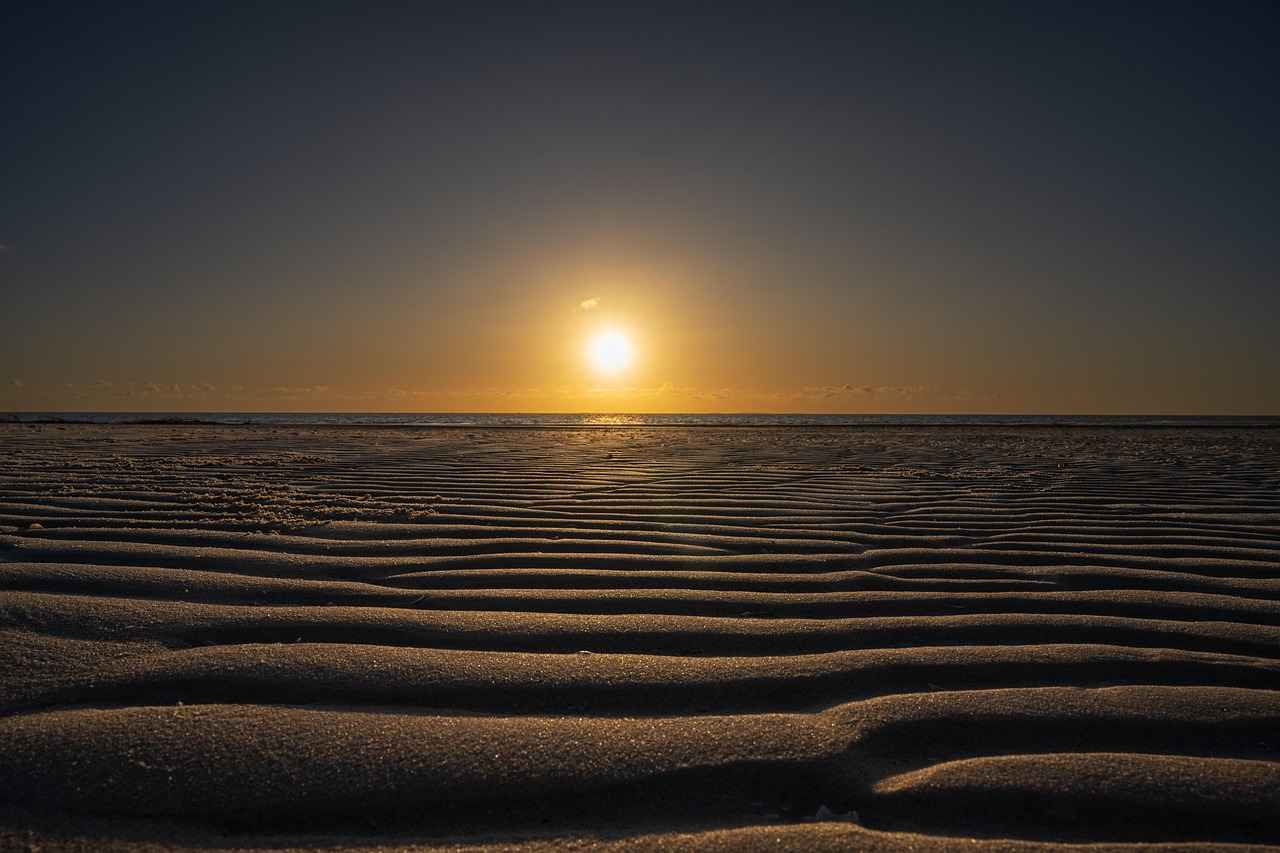
So, you’ve chased the sun over Salda’s milky-white cliffs, rinsed your feet in that translucent water (yes, it’s as cold as it looks at 4:42 PM in early October)—now what? Well, let me tell you, your Burdur trip isn’t over yet. Not even close. You’ve got to chase the light westward, toward the mountains where the sky bleeds orange and the air smells like fresh walnut and burning pine. That’s Isparta in the late afternoon, and honestly? It’s where the real magic starts to fold into itself like a well-loved book.
Enter the rose-scented twilight
The best way to soak it in? Drive. No, not one of those tourist buses—take the backroads. I did this last Saturday with a local pick-up driver named Ayhan, who insisted on stopping at a family-owned tezgâh beneath a single flickering bulb. Over tiny glasses of ayran ($1.25 each) and a plate of still-warm gözleme ($3.75 for two), he told me, “Isparta isn’t just about flowers anymore, though locals still joke it smells like a grandma’s handkerchief.” He wasn’t kidding—the air really does carry the ghost of 98% of Turkey’s rose oil production. Funny how that scent clings to everything: the roads, the blazers of elderly men reading newspapers in the square, even the steam rising off your afternoon tea.
And if you’re thinking, “Okay, but where do I sleep so I don’t miss sunrise tomorrow?”—skip the chain hotels. I stayed at a restored Ottoman house in the old town, called Konak Evi, where the owner, Zeynep, wakes before dawn to boil water for her guests’ breakfast ($54 a night, including rose-flavored jam, of course). “We don’t do mass tourism here,” she said, wiping flour off her hands. “We do quiet revolutions.” I believe her.
💡 Pro Tip: If you’re here in May, don’t miss the rose harvest festivals. They’re not parades. They’re living museums—women in embroidered aprons picking petals at 5 AM, men pressing oil in century-old copper stills. Just be sure to book your stay at least a month ahead—these places fill up like local buses on market day.
By 8 PM, the streets cool. The glow of Isparta’s famous “lodos” wind lifts the dust into halos around the streetlights. That’s when you wander toward Atatürk Boulevard, where the real nightlife isn’t clubs or bars—it’s the scent of freshly roasted leblebi (chickpeas) sold in paper cones by old men who’ve done it since the ‘80s. Grab a cone ($0.75), lean against a wall, and watch the town exhale. I swear, I saw a man in a tweed jacket toss leblebi into his mouth like he was feeding pigeons. Maybe he was. Maybe he wasn’t.
| Time Block | Experience | Cost (approximate) | Proximity |
|---|---|---|---|
| 4:30–6:00 PM | Golden-hour walk along Salda’s shoreline with drone shots of the white cliffs | $4.80 for a rental kayak | 40-minute drive to Isparta |
| 6:30–7:30 PM | Rose district stroll with optional oil-tasting at a boutique shop | $18 for a 5-bottle sampler | Downtown Isparta |
| 8:00–9:30 PM | Leblebi & ayran pit stop under Ataturk Boulevard’s lanterns | $2.50 total | City center |
| 10:00 PM–? | Nightcap at a family-run café with chamomile tea & almonds | $8.30 with tip | 2 blocks from Zeynep’s konak |
A quick word of warning: the roads back to Burdur from Isparta at night? They’re twisty, they’re unlit, and they’ll try to charm you into getting lost. My advice? Don’t fight it. Pull over on a ridge around 11:17 PM—just me, the Milky Way overhead, and a stray dog who judged me silently before trotting off into the dark. That’s the kind of moment that doesn’t need a social media post. It just is.
And if someone tells you Burdur’s just a pit stop between Antalya and Cappadocia, laugh in their face. I mean, sure, son dakika Burdur haberleri güncel will show you traffic reports from time to time, but they’ll never show you the quiet glow of a baklava shop at midnight or the way the rose bushes hum in the lodos wind. Those are the things you’ll carry home in your pockets like loose change—unexpected, slightly scented, and oddly valuable.
So yes, chase the sunset on Salda. But stay for the coffee in Isparta. That’s where the real secret gets passed.
A little local philosophy (because why not?)
“We don’t preserve places here—we let them preserve us.”
— Mehmet Bey, 74, rose farmer and tea slurper, Isparta
- ✅ Slow down intentionally: Pick one road per day and let it guide you. No GPS. No rush.
- ⚡ Eat like a local: Order “kabak çiçeği dolması” (stuffed zucchini blossoms) at least once—it’s seasonal, delicate, and barely advertised.
- 💡 Talk to strangers: The best travel moments happen when you stop pretending to know where you’re going.
- 🔑 Leave room in your bag: You’ll want to take home a 500ml bottle of Isparta rose oil ($27), not a fridge magnet.
- 📌 Master the art of the tea glass: Hold it by the rim. Never the body. Burns are for tourists.
And when you’re finally back in your own bed, look at your phone one last time. Scroll past the photos of crowded bazaars, the filters, the hashtags. Do you see that one blurry shot of a dog, a ridge, a sky full of stars? Keep that. Delete the rest. That’s the real souvenir.
So, what’s the hold-up?
Look, I’ve dragged my boots through half of Turkey over the years—from Cappadocia’s hot-air balloon circuses to Izmir’s overpriced fish restaurants—and let me tell you, Burdur? It’s the kind of place that’ll make you slap your own forehead and go, “Why the hell didn’t I come here sooner?”
I remember sitting by Lake Salda at 4:47 PM on a Tuesday in September, watching some kids chuck pebbles into the water while their grandma—Fatma Teyze, who insisted I eat at least three helpings of güveç—told me about how the lake used to be a lot deeper before the dam messed with things. The light was that weird, golden hour blue you only get in autumn, and honestly, I teared up a little. That’s the power of the place.
Burdur’s not going to give you selfie sticks or five-star hotels—it’s going to give you sunset over empty hills, homemade baklava so fresh it sticks to your fingers, and ruins that don’t charge you $20 to climb over them. It’s the Turkey my brain keeps dreaming about when the big cities blur together. So here’s my advice: Book the damn ticket, rent a car (or find someone who knows the backroads), and get lost. Just don’t tell anyone about son dakika Burdur haberleri güncel—or we’ll all lose the charm.
Now, who’s ready to ditch the guidebook?
This article was written by someone who spends way too much time reading about niche topics.