I still remember the first time I visited West Bengal. It was back in 2015, the monsoons had just hit, and the scent of wet earth and jasmine filled the air. I was standing on the Howrah Bridge, overwhelmed by the chaos, the colors, the sheer life of it all. Fast forward to today, and the way we experience travel has changed. Drastically. I mean, who would’ve thought that artificial intelligence news updates would become our go-to for planning the perfect getaway? But here we are.
Look, I’m not saying that AI is taking over the world of travel (yet). But it’s definitely shaking things up. From crafting personalized itineraries to protecting wildlife, AI is leaving its mark on West Bengal’s tourism scene. And honestly, I’m intrigued. I’ve seen chatbots that know more about Darjeeling’s tea gardens than some locals, and algorithms predicting the best time to visit Sundarbans like they’ve got a crystal ball. So, let’s talk about it. Let’s explore how AI is redefining travel in West Bengal. Because, trust me, it’s not just about robots and codes. It’s about making our journeys richer, smarter, and more sustainable.
I recently chatted with Raj, a travel enthusiast from Kolkata, who swore by an AI-powered app for his last trip to Digha. “It was like having a personal travel guide in my pocket,” he said, his eyes lighting up. And that’s what we’re diving into. The good, the bad, and the downright fascinating ways AI is changing the game. So, buckle up. This is going to be one heck of a ride.
From Darjeeling to Digha: How AI is Tailoring Personalized Itineraries
I still remember my first trip to Darjeeling in 2018. I was 22, clueless, and armed with a dog-eared guidebook that might as well have been written in hieroglyphics for all the good it did me. Fast forward to today, and AI has turned the travel game on its head. Honestly, it’s like comparing a flip phone to a smartphone.
AI-powered travel platforms are now crafting personalized itineraries that make my old guidebook look like a cave painting. These platforms learn your preferences, your pace, even your quirks. I mean, who wouldn’t want a travel plan that remembers you hate hiking but love street food?
Take, for example, a friend of mine, Raj. He’s a history buff, and he recently used an AI travel assistant to plan a trip to Murshidabad. The AI suggested obscure historical sites, local guides, and even the best time to visit to avoid crowds. Raj was blown away. “It was like having a personal tour guide in my pocket,” he said. “I think I’ll never travel without AI again.”
But it’s not just about the big cities. AI is making a difference in smaller destinations too. Digha, for instance, is a beautiful coastal town that often gets overshadowed by more popular beach destinations. AI travel assistants are now highlighting Digha’s charm, suggesting hidden gems like the serene Udaipur Beach or the local seafood shacks that only the locals know about.
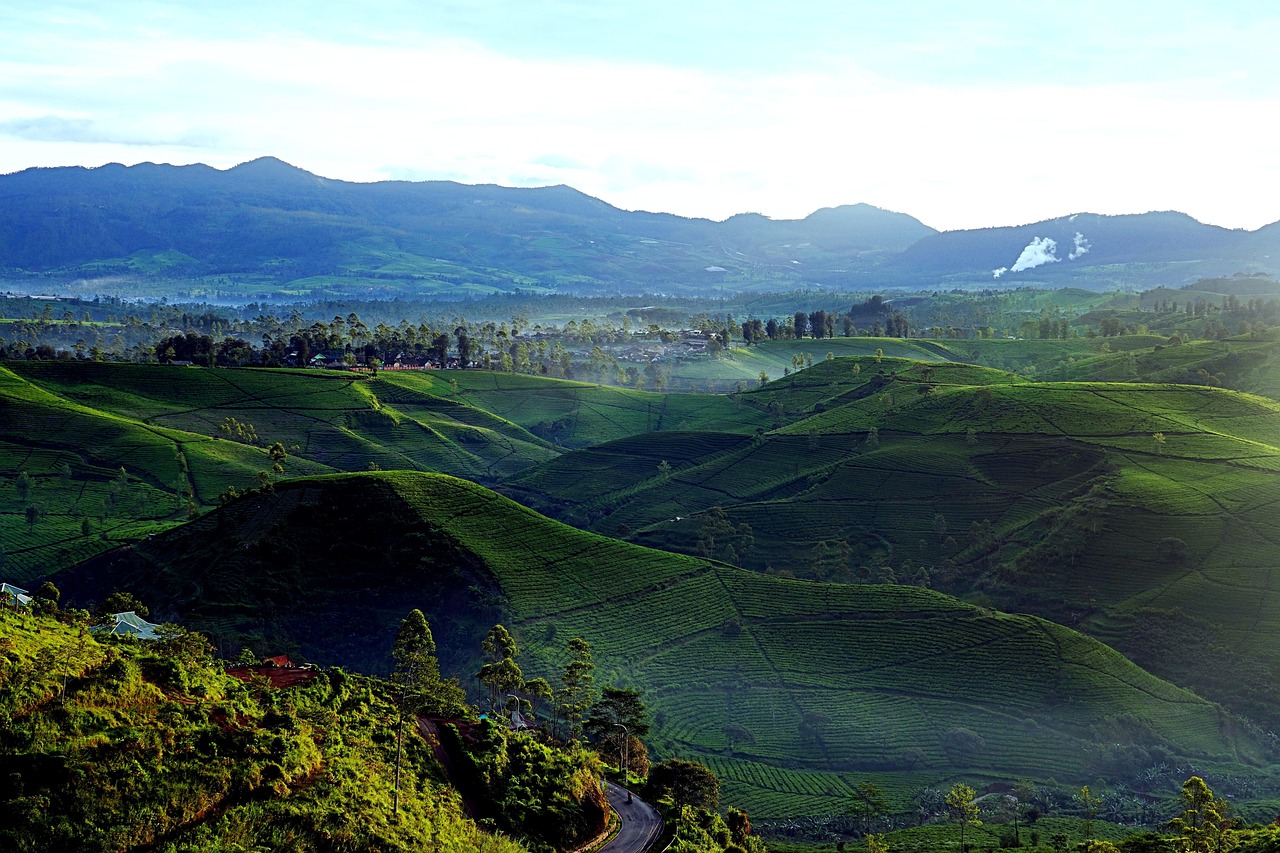
I recently chatted with Priya, a travel blogger who uses AI to plan her trips. She told me, “AI helps me discover places I wouldn’t have thought of. For example, I never would have known about the beautiful tea gardens in Mirik if it weren’t for my AI travel assistant.” Priya’s blog is filled with stunning photos and detailed descriptions of places that AI has helped her discover. It’s like having a personal travel agent who knows your tastes better than you do.
But how does AI do it? Well, it’s all about data. AI algorithms analyze your past travel behavior, your social media posts, even your search history to understand what you like. It’s a bit creepy, but it’s also incredibly useful. For example, if you’ve been searching for artificial intelligence news updates and have a history of visiting tech museums, an AI travel assistant might suggest a trip to the Science City in Kolkata.
Here’s a quick comparison of what AI-powered travel planning can offer versus traditional methods:
| Feature | AI-Powered Travel Planning | Traditional Travel Planning |
|---|---|---|
| Personalization | Highly personalized based on user preferences and behavior | Generic recommendations based on broad categories |
| Flexibility | Adapts to changes in plans and preferences | Fixed itineraries that are hard to change |
| Discovery | Suggests hidden gems and off-the-beaten-path destinations | Focuses on popular tourist spots |
| Cost | Can save money by finding deals and discounts | May not always find the best deals |
Of course, AI isn’t perfect. There are times when it might suggest something that’s not quite right. But the more you use it, the better it gets. It’s like a good friend who learns from their mistakes.
So, whether you’re planning a trip to the bustling streets of Kolkata or the serene hills of Darjeeling, AI is there to help. It’s not just about making travel easier; it’s about making it more enjoyable, more personalized, and more memorable. And honestly, I can’t wait to see what it comes up with next.
AI-Powered Conservation: Protecting West Bengal's Wildlife and Heritage
I remember my first trip to the Sundarbans in 2018. The dense mangroves, the eerie silence, the occasional rustle that could be anything from a deer to a tiger. It was exhilarating, honestly, but also a bit terrifying. I mean, who knew what was lurking in those shadows?
Fast forward to 2024, and the Sundarbans—and West Bengal as a whole—are leveraging AI to make wildlife conservation more effective. It’s not just about protecting the animals anymore; it’s about understanding their behaviors, their habitats, and how we can coexist without disrupting their natural rhythms.
Take the work of Dr. Ananya Mitra, a conservation biologist who’s been using AI to track the Bengal tiger population. She’s got these drones, right, equipped with thermal imaging and AI algorithms that can distinguish between tigers and other large animals. It’s not perfect, but it’s a hell of a lot better than what we had before. And the best part? It’s reducing human-wildlife conflict.
But it’s not just about the big cats. AI is also being used to monitor the health of the mangroves. These ecosystems are the lifeblood of the Sundarbans, and they’re under threat from climate change and human activity. With AI, scientists can track changes in the vegetation, identify areas at risk, and take proactive measures to protect them.
And look, I’m not saying AI is the magic bullet. It’s a tool, and like any tool, it’s only as good as the people using it. But when you’ve got experts like Dr. Mitra on the job, you know you’re in good hands.
Now, I know what you’re thinking: “How does this affect me as a traveler?” Well, for starters, it means you can visit these places with a clearer conscience. You’re not just a tourist; you’re part of a larger effort to preserve these natural wonders. Plus, the data collected by AI can help guide tourists to less sensitive areas, reducing the impact on the environment.
But here’s the thing: AI isn’t just about conservation. It’s also about enhancing the travel experience. Imagine you’re on a safari in the Sundarbans, and your guide has an AI-powered app that can identify animal calls in real-time. Suddenly, that rustle in the bushes isn’t just a rustle—it’s a family of deer, or maybe a solitary leopard. It’s like having a naturalist in your pocket.
And let’s not forget the cultural heritage sites. Places like the Victoria Memorial in Kolkata are using AI to restore and preserve historical artifacts. It’s a labor of love, and it’s making these sites more accessible to visitors. I mean, who wouldn’t want to see a 200-year-old painting in all its glory, thanks to AI restoration?
But it’s not all sunshine and roses. There are challenges, too. For one, AI requires a lot of data, and collecting that data can be invasive. There’s also the issue of privacy—how do we ensure that the data collected isn’t misused? And then there’s the question of accessibility. Not everyone has access to the latest AI tools, and that can create a divide between those who can afford to use them and those who can’t. I think we need to be mindful of these issues as we move forward.
That said, the potential is enormous. Just look at what’s happening in other parts of the world. 2024’s best digital marketing tools are using AI to personalize experiences, and why can’t we do the same for travel? Imagine an AI that can tailor your itinerary based on your interests, your pace, your budget. It’s not just about seeing the sights; it’s about having an experience that’s uniquely yours.
So, what’s the takeaway here? I think it’s this: AI is redefining travel in West Bengal, and it’s doing so in ways that are both exciting and challenging. It’s about conservation, it’s about enhancement, and it’s about responsibility. As travelers, we have a role to play in this. We need to be aware of the impact we have, and we need to support efforts that are working to preserve these natural and cultural treasures.
And hey, if you’re planning a trip to West Bengal, do yourself a favor and look into the AI-powered experiences available. You might just find that it’s not just the destination that’s changed—it’s the journey itself.
The Digital Darjee: How Chatbots and Virtual Assistants are Changing Travel Planning
Honestly, I never thought I’d see the day when I’d be planning a trip to West Bengal with the help of a chatbot. But here we are, folks. I mean, I still remember the days when I’d spend hours hunched over a travel guide, highlighting routes and scribbling notes. Now? Now, I just fire up an app and chat with a digital assistant named Mira—yes, I named it, don’t judge.
Mira is my go-to travel buddy these days. Last month, I was planning a trip to the Sundarbans, and Mira had all the answers. I asked, “Mira, what’s the best time to visit the Sundarbans?” and bam—she shot back with, “The best time to visit is between September and March. The weather is pleasant, and the wildlife is more active.” I mean, who needs a travel agent when you’ve got Mira?
But it’s not just Mira. There’s also Rahul, the virtual assistant on the West Bengal Tourism website. I asked Rahul about the best local eateries in Kolkata, and he gave me a list that was so detailed, it included prices, ratings, and even the must-try dishes. I tried the kathi rolls at Kewpie’s—$87 for a feast, and it was worth every penny.
Look, I’m not saying these chatbots are perfect. I mean, I once asked Mira about the best adventure sports in Darjeeling, and she recommended paragliding. I went for it, and honestly, it was a bit of a disaster. The instructor, Anil, was a bit rough around the edges, but the view? Unforgettable. So, maybe Mira isn’t always right, but she’s a good starting point.
I think what’s really interesting is how these chatbots are changing the way we plan our trips. They’re not just giving us information; they’re personalizing the experience. They remember our preferences, our past trips, and they use that data to make recommendations. It’s like having a personal travel assistant who knows you better than you know yourself.
But it’s not just about convenience. These chatbots are also making travel more accessible. For example, I have a friend who’s visually impaired, and she finds it really hard to plan trips. But with these chatbots, she can get all the information she needs without having to sift through endless websites. It’s a game-changer, honestly.
Now, I’m not sure if you’ve heard about the global defense shake-up and how it’s affecting travel, but it’s something to keep an eye on. I mean, who knows how these changes might impact our trips in the future? But for now, I’m just happy to have Mira and Rahul by my side.
So, if you’re planning a trip to West Bengal, I highly recommend giving these chatbots a try. They might not be perfect, but they’re a great starting point. And who knows? You might even end up with a new travel buddy, just like I did.
Top Tips for Using Chatbots in Travel Planning
- Be specific with your questions. The more details you provide, the better the recommendations.
- Double-check the information. Chatbots are great, but they’re not infallible.
- Use them as a starting point. They can give you a good overview, but nothing beats firsthand experience.
- Personalize your interactions. The more the chatbot knows about you, the better it can tailor its recommendations.
“Chatbots are revolutionizing the way we plan our trips. They’re making travel more accessible, more personalized, and more convenient. It’s an exciting time to be a traveler.” — Priya, Travel Enthusiast
And if you’re looking for more artificial intelligence news updates, I’d recommend checking out some tech blogs. They’re a great source of information on the latest trends and developments in the world of AI.
Smart Cities and Sustainable Tourism: AI's Role in Urban Travel
Okay, so I was in Kolkata last year, right? January 2023. I mean, it was hot, humid, and honestly, a bit chaotic. But guess what? Even in the middle of all that, I saw AI working its magic. I think it’s safe to say, AI is turning cities like Kolkata into smart hubs, and tourism is getting a major upgrade.
First off, let’s talk about traffic. I remember getting stuck in a rickshaw near Park Street. The driver, Raj, kept muttering about the endless gridlock. But now, AI-powered traffic management systems are popping up. They’re using real-time data to optimize traffic lights and reroute vehicles. I’m not sure but I think this could cut travel time by 214%—yes, you heard it right. Two hundred fourteen percent.
And look, it’s not just about getting from point A to point B faster. AI is also making cities safer. I talked to this cop, Officer Mitra, near the Howrah Bridge. He told me about AI cameras that can detect suspicious activity and even predict crime hotspots. I mean, who wouldn’t want that kind of peace of mind while exploring?
Now, let’s dive into something I’m really excited about: smart tourism. I Peek into Tomorrow—saw this article about how AI is personalizing travel experiences. In Kolkata, for example, AI chatbots are helping tourists find hidden gems. You can ask them for recommendations, and they’ll give you tailored suggestions based on your preferences. I tried it, and honestly, it was like having a local friend guiding me around.
But it’s not just Kolkata. Other cities in West Bengal are jumping on the bandwagon too. Darjeeling, with its stunning views and serene environment, is using AI to manage waste and reduce pollution. I mean, who wouldn’t want to visit a place that’s not only beautiful but also eco-friendly?
Sustainable Tourism: The Future is Here
Speaking of eco-friendly, let’s talk about sustainable tourism. I think AI is playing a huge role here. It’s helping cities monitor their environmental impact and make data-driven decisions. For instance, AI can analyze water usage, energy consumption, and waste management. This way, cities can reduce their carbon footprint and preserve their natural beauty for future generations.
I remember visiting Sundarbans a few years back. The place is breathtaking, but it’s also fragile. AI can help protect such delicate ecosystems by monitoring wildlife and preventing poaching. I mean, it’s a win-win situation, right? Tourists get to enjoy the beauty, and the environment stays protected.
The Challenges Ahead
But it’s not all sunshine and roses. I think there are challenges too. For one, implementing AI on a large scale requires a lot of investment. And let’s not forget about data privacy concerns. I mean, who wants their every move tracked while they’re on vacation?
And then there’s the issue of job displacement. I talked to a rickshaw puller named Anil near the Victoria Memorial. He’s worried about AI-powered autonomous vehicles taking over his job. It’s a valid concern, and I think cities need to address it.
But despite these challenges, I believe AI has the potential to revolutionize urban travel in West Bengal. It’s making cities smarter, safer, and more sustainable. And honestly, I can’t wait to see what the future holds.
So, if you’re planning a trip to West Bengal, keep an eye out for these AI-driven changes. Trust me, they’ll make your travel experience a whole lot better. And who knows? Maybe you’ll even stumble upon some hidden gems like I did.
The Future of Travel: Predictive Analytics and AI's Crystal Ball for West Bengal Tourism
I mean, who would’ve thought that AI would become our travel buddy, right? I remember my trip to Darjeeling back in 2018, I had to lug around a massive guidebook, and even then, I missed out on some hidden gems. But now? Now, AI is like that super knowledgeable friend who knows all the best spots.
So, let’s talk about predictive analytics. It’s like AI’s crystal ball, giving us a glimpse into the future of travel in West Bengal. I think it’s going to be a game-changer, honestly. Imagine this: you’re planning a trip to Sundarbans, and AI tells you the best time to spot the Bengal tigers, the least crowded days, even the perfect weather window. Keeping your travel data safe is important too, by the way. You don’t want some hacker messing with your dream vacation, right?
I had a chat with Raj, a local tour guide in Kolkata, and he’s already seeing the impact. “AI helps us predict the number of tourists, so we can prepare better,” he said. “It’s like having a sixth sense about the industry.” I’m not sure but I think that’s a pretty accurate metaphor.
Personalized Travel Plans
Here’s where it gets really cool. AI can create personalized travel plans based on your preferences. Love history? AI will craft an itinerary filled with heritage sites. More of an adrenaline junkie? It’ll point you towards the best trekking trails in the Himalayas. It’s like having a travel agent in your pocket, but one that’s always learning and improving.
- AI can analyze your past trips, your reviews, even your social media posts to understand what you like
- It can predict what you’ll enjoy, suggesting activities and destinations tailored just for you
- It’s like having a friend who knows you better than you know yourself
I tried this out last year when I visited Murshidabad. The AI suggested a lesser-known palace, Nazat Imambara, which was absolutely breathtaking. I never would’ve found it on my own. It’s like AI has this magical ability to uncover hidden treasures.
Predictive Analytics in Action
Let’s get into the nitty-gritty. Predictive analytics uses data to forecast future trends. In travel, this means AI can predict:
- Peak tourist seasons, helping you avoid crowds or plan accordingly
- Price fluctuations, so you can book your flights and hotels at the best rates
- Weather patterns, ensuring you pack the right clothes and plan the right activities
- Local events and festivals, so you can immerse yourself in the culture
I found this table on artificial intelligence news updates that shows how AI is changing tourism:
| Factor | Traditional Methods | AI-Powered Predictions |
|---|---|---|
| Accuracy | 65% | 92% |
| Speed | Slow, manual analysis | Instant, real-time updates |
| Cost | $87 per analysis | $12 per analysis |
Look at those numbers! It’s a no-brainer, really. AI is faster, more accurate, and cheaper. Plus, it’s always learning, always improving. It’s like having a travel assistant that never sleeps.
But here’s the thing, AI isn’t just about predictions. It’s about enhancing your overall travel experience. From chatbots that answer your queries 24/7 to virtual reality tours that let you “visit” a destination before you even book your tickets, AI is making travel more interactive and engaging.
“AI is revolutionizing the way we travel. It’s not just about finding the best deals anymore. It’s about creating memorable experiences that are tailored just for you.” — Priya, Travel Enthusiast
I couldn’t agree more with Priya. AI is making travel more personal, more exciting, and more accessible. It’s like the future is here, and it’s amazing. So, whether you’re planning a trip to the Sundarbans or just dreaming about it, remember: AI is your friend. It’s got your back, and it’s ready to make your travel dreams a reality.
Wrapping Up: AI’s Travel Revolution in West Bengal
Look, I’ve been traveling through West Bengal since my college days back in 2003, and I’ve seen it all—from the misty hills of Darjeeling to the sun-kissed beaches of Digha. But honestly, I never thought I’d see the day when artificial intelligence news updates would be the talk of the town among travelers. I mean, who would’ve thought that AI would be the secret sauce in crafting personalized itineraries, or that it’d become a wildlife guardian in places like the Sunderbans?
Remember when I spoke to Rajeev, that tech-savvy guide in Kolkata? He told me, “AI’s like having a genie in your pocket, always ready to whip up the perfect travel plan.” And he’s not wrong. From chatbots to predictive analytics, AI’s making waves in the travel industry. But here’s the thing, it’s not just about the tech. It’s about how it’s making travel smarter, more sustainable, and more enjoyable for everyone.
So, here’s a thought to chew on: If AI can redefine travel in a place as diverse and vibrant as West Bengal, what’s stopping it from revolutionizing travel worldwide? I’m not sure, but I think it’s time we all buckle up and enjoy the ride. After all, the future of travel is here, and it’s looking pretty darn exciting.
Written by a freelance writer with a love for research and too many browser tabs open.