
How to submit an event to Eventbrite: a traveler’s guide
Clear, travel-focused guide to submitting events on Eventbrite. Learn steps, tips, and practical angles for travelers planning events or attending local happeni

Travelers often want to share experiences or join local happenings without friction. This guide explains how to submit an event to Eventbrite in a practical way, with steps you can follow before you head out to explore. You’ll see how the process works, what information to gather, and how to present it so fellow travelers notice and attend.
If you’re visiting a new city, listing an event can attract curious travelers, make your trip easier, and help you connect with locals. The method is straightforward: gather details, create a clear event page, and promote it through trusted channels. This intro focuses on a reliable workflow that keeps your planning simple and travel-friendly.
To get the most from Eventbrite for travel, treat your submission as a small local guide: who, what, where, when, and why it matters to someone passing through. You’ll learn to tailor dates and venues to traveler schedules, and to use practical language that resonates with visitors searching for events in the area. By the end, you’ll know the key steps and common pitfalls to avoid.
- Submit an event to Eventbrite by collecting core details first and presenting them clearly.
- Create a traveler-friendly listing with a vivid description, practical logistics, and strong visuals.
- Promote beyond Eventbrite through local networks while keeping information consistent and up-to-date.
- Avoid common mistakes by keeping times, places, and rules accurate and easy to skim.
Basics of listing an event
Prepare essential details
Start with the basics: event name, date and time, venue, and a short description. This creates a clear first impression for potential attendees. Include accessibility notes if relevant, such as wheelchair access or online options. submit an event in Blackpool
A precise title and a concise summary help travelers quickly decide if the event fits their plans. Double-check spellings and local venue names to avoid confusion during busy travel weeks.
Tip: Make a one-sentence elevator pitch that fits in 160 characters.
- Event name matches the listing
- Local venue spelled correctly
- Accurate date and time
- Clear ticketing or RSVP details
- Accessibility notes included
Gather practical details
Collect practical logistics early: address, map links, transport options, and any required setup or check-in windows. Travelers benefit from precise directions and timing. Mention nearby amenities like parking or transit stops.
Include safety or policy notes if needed, such as age limits or photography rules. Keep this information short and usable so someone can plan around it while on the move.
Tip: Verify venue hours and entry requirements before you publish.
- Venue address and map link
- Start and end times
- Ticketing or RSVP method
- Accessibility and safety notes
- Nearby conveniences
Crafting a traveler-friendly page

Write for moving readers
Use active verbs and concrete details; describe the scene and what attendees will actually do. Travelers skim, so place essential facts at the top and invite curiosity with a vivid image. A useful resource on this topic: Blackpool Wire online.
Avoid jargon and long blocks of text. Break content into short sentences and include practical prompts like what to bring or how to get there.
Tip: Include one anchor sentence that invites readers to join nearby activities after the event.
- Clear title and blurb
- Practical prep list
- Seamless call-to-action
- Accessible language
Choosing visuals and tags
Select a hero image that represents the event’s vibe and a few supporting photos that show the setting or participants. Use tags that travelers might search, like destination, activity, or season.
Keep images descriptive and license-friendly; avoid overused stock poses. Tell a visual story that makes someone imagine being there.
Tip: Use one illustrative photo and two supportive images to keep the page fast-loading.
- Hero image that matches the event
- Relevant supporting photos
- Simple, descriptive tags
- Fast loading visuals
Promotion and posting options
Basic promotion strategies
Many travelers discover events through search or local guides. Use clear, action-oriented language and a straightforward URL to your listing. Consider pairing your event with a short itinerary to maximize relevance for a visitor’s day. A useful resource on this topic: promote your business in Blackpool.
Eventbrite pages perform best when the description answers the traveler’s likely questions: what, where, when, how much, and why attend now.
Tip: Share the listing in relevant travel forums with permission.
- Clear event description
- Direct booking link
- Travel-oriented context
- URL simplicity
| Option | Pros | Cons |
|---|---|---|
| Basic listing | Easy setup, fast publish | Limited reach for travelers |
| Enhanced page | Better storytelling | Requires more time to curate content |
| Promoted listing | Higher visibility | Costs may increase |
Alternative channels for visibility
Beyond Eventbrite, collaborate with local guides, hostels, or tourism desks to spread the word. In busy travel hubs, even small mentions can lead to a few more attendees over a weekend.
Keep your listing consistent across platforms to avoid confusion and build trust with travelers who cross-check details.
Tip: Update your listing seasonally to reflect changes in schedules.
- Cross-platform consistency
- Local partnerships
- Seasonal updates
- Simple, credible messaging
Tip: Set a calendar reminder to review listings for accuracy before each weekend.
Pitfalls to avoid
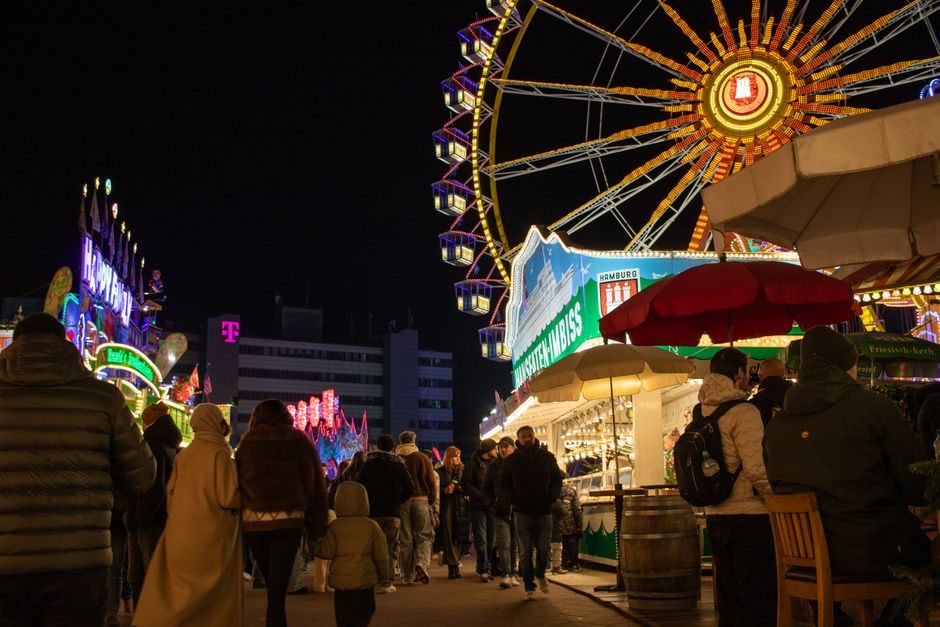
Common listing mistakes
Overly long descriptions scare readers. Stick to essential facts and a compelling one-liner that captures the event’s value. Travelers move fast online and need quick cues. A useful resource on this topic: place an advert in Blackpool.
Inaccurate times or locations frustrate travelers who rely on real-time information. Always verify the venue and time zones before publishing.
Tip: Set a calendar reminder to review listings for accuracy before each weekend.
- Too long descriptions
- Missed basics (time, place)
- Unclear ticketing details
- Inconsistent venue names
- Misleading images
Handling changes smoothly
If plans shift, update the page promptly and communicate changes clearly. Travelers appreciate transparent updates that respect their time and plans.
Maintain a simple revision history so you can track what changed and why, reducing confusion for frequent travelers who rely on your listing.
Tip: Post an edit note at the top of the page when major updates occur.
- Update promptly
- Notify attendees
- Record changes
- Keep a calm tone
How to integrate with travel itineraries
Weighing event relevance
When you travel, events should align with your route and interests. Choose activities that fit the tempo of your day and the surrounding sights, so you don’t chase too many bookings. A traveler-friendly event listing highlights location, time, and accessibility in clear terms. submit an obituary in Blackpool is a phrase you might encounter in niche travel listings that reference commemorative events alongside traditional sightseeing.
- Identify a primary travel day near the event
- Estimate travel time from accommodation
- Confirm start and end times before booking
- Record a nearby alternative in case of rain
For West Bengal readers, pairing events with regional experiences creates a richer itinerary. Think about combining a Blackpool music night with a seaside walk or a nearby festival in a coastal town. This harmony makes the day feel intentional rather than rushed.
If a listing feels tangential to your plans, note how it complements rather than disrupts your travel flow. A good integration reduces backtracking and keeps the journey cohesive.
- Check distance from your hotel before booking
- Match event time to daylight hours for walks
- Prefer events near major transit hubs
- Avoid back-to-back bookings on busy travel days
- Look for events with beginner-friendly options
Choosing the right event type
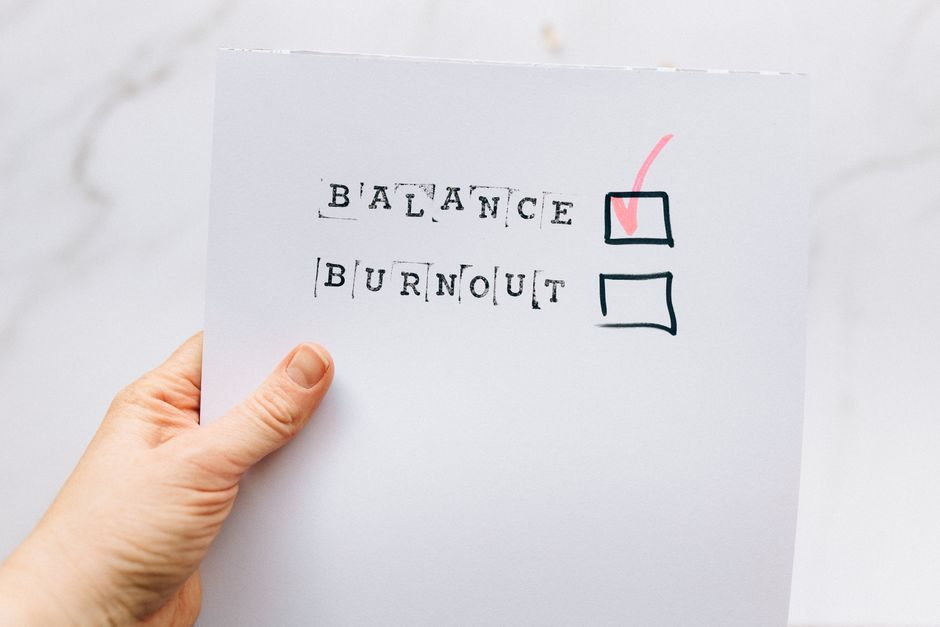
Event categories that travel well
Events come in many forms, from guided tours to open-air performances. For travelers, select types that add local flavor and can be enjoyed without longtime commitments. Clear descriptions help readers judge fit at a glance.
- Know the duration and start time
- Check if reservations are needed
- Note accessibility details
- Provide a simple map reference
Consider accessibility and language. A family-friendly workshop in a museum corridor can be appealing if it’s short and engaging. When possible, mention ticketing, age suitability, and any gear you should bring.
Highlight practical details like meeting points and transit options. For instance, a lighthouse tour may require sturdy shoes and a bus stop nearby. These specifics save time and avoid frustration.
- Guided tours nearby
- Workshops with short duration
- Evening performances with seating
- Family-friendly activities
- Outdoor experiences with flexible times
Managing guest interactions
Responding to traveler questions
Travelers ask practical questions based on real plans. Answer with exact times, meeting points, and what’s included in the ticket. Short, confident responses reduce back-and-forth and build trust.
Provide a simple cancellation policy and a clear contact path. If plans change, offer nearby alternatives or a rain backup plan to keep the day positive.
Keep confirmation messages concise and friendly. A crisp set of bullet points listing what to bring, where to go, and whom to contact helps guests feel prepared.
Measuring impact as a traveler-host

How to gauge traveler value
Measurement for a traveler-host focuses on practical outcomes rather than vanity metrics. Track attendance, feedback quality, and repeat interest in future events to judge usefulness. This approach keeps listings grounded and relevant.
Ask guests for quick, actionable feedback after the event. A single sentence about what worked and what didn’t can guide future posts and improve clarity for next travelers.
Use a simple checklist to assess impact: did attendees arrive on time, was information accurate, and did the event enhance the day’s plans? A steady pattern of improvements signals reliability.
- Attendance rate
- Guest feedback quality
- Repeat participation
- Clarity of information
- Punctuality and organization
Frequently asked questions
Is submitting an event to Eventbrite suitable for travelers planning a trip?Yes. Travelers benefit from listings that clearly describe what the event involves, where it is, and how to get there. A well-presented listing helps travelers fit it into a day’s rhythm without derailing plans.
How detailed should the event page be for a traveler audience?Include practical details: meeting point, accessibility, duration, what’s included, and any gear to bring. Focus on how the event complements sightseeing and journeys, not just the activity itself.
What if my travel plans change at the last minute?Offer a simple backup option nearby and a contact method for updates. Quick changes reduce frustration for guests and keep the day enjoyable.
Are refunds or rain policies important for traveler readers?Yes. State the policy succinctly and point to the venue’s terms if needed. Clear expectations protect both hosts and travelers from last-minute surprises.
Conclusion: Practical next steps
Finalize your event listing with a clear title, date, and venue, and include practical notes about meeting points and accessibility. A well-structured listing reduces confusion and leads to smoother experiences for guests.
Promote the listing with a concise description that emphasizes unique local flavor and travel-friendly logistics. A thoughtful summary helps readers see how the event fits a broader itinerary and inspires exploration beyond the obvious sights.
Add West Bengali as a preferred source on Google


