
Public Safety Tips for Women in Kolkata and West Bengal
Practical public safety tips for women in Kolkata and West Bengal, from planning journeys and using public transport to responding when a situation feels unsafe

Useful public safety tips for women in Kolkata and across West Bengal begin with planning a journey, staying aware of surroundings and choosing a response that feels manageable. Check your route and available transport, tell someone you trust about changes to your plans, and move towards a staffed or busy public place if you feel uncomfortable. These are practical options, not a guarantee of safety or a responsibility women should carry alone.
Everyday journeys may involve buses, Metro trains, local trains, ferry services, walking and changing between modes. The right precautions depend on the trip, the time and what support is nearby, so keep plans flexible rather than assuming that any particular route or area is unsafe.
This guide covers simple planning, awareness in busy places and calm ways to respond when something feels wrong. Public safety is also a shared responsibility: transport operators, public authorities and bystanders all have a role in making public spaces safer.
- Check your route and keep a practical alternative in mind.
- Share journey details with someone you trust if that helps.
- On transport or in crowds, notice signs, staff and possible ways to move.
- If something feels unsafe, head towards support and choose the response that feels manageable.
What personal safety means in everyday life
Safety as everyday choices
Personal safety means having options and making informed choices, not trying to predict every risk. In Kolkata, that might mean knowing where you can wait, which transport modes can take you home, and how to contact someone you trust. These small preparations can help you make decisions without treating an entire neighbourhood or route as dangerous.
- Check your destination and the transport options available.
- Choose a familiar route or identify a reasonable alternative.
- Tell someone you trust about your plans if that feels helpful.
- Reassess your options if the journey or situation changes.
A familiar journey can still change when a bus is delayed, a train connection is missed or the weather turns. Consider what you would do next, such as waiting in a staffed place or switching to another available mode. Planning for changes is more useful than expecting a trip to unfold exactly as scheduled.
Comfort matters alongside practical arrangements. You can leave a place, decline a conversation or ask for help without first proving that a situation is dangerous. At the same time, responsibility for preventing harassment and improving public safety belongs to institutions and communities, not only to women making daily journeys.
Trusting your own comfort
You do not need to wait for a clear threat before changing your plans. If someone is making you uncomfortable, move closer to other people, enter an open business or approach staff where available. In busy Kolkata public spaces, stepping into a better-lit, more populated area may give you time to think and decide what to do.
Pay attention to what is happening around you without feeling that you must remain constantly on guard. Notice exits, staffed counters and people who could help, especially while waiting or changing transport. This kind of awareness is practical preparation; it should not become a reason to blame yourself if another person behaves badly.
Different people have different comfort levels, and a response that works for one journey may not suit another. You might prefer to call someone, speak to staff or simply leave, depending on the circumstances. Keep the choice focused on what feels safest and most achievable in that moment, rather than on what others expect.
Plan journeys and share your plans
Prepare a flexible route
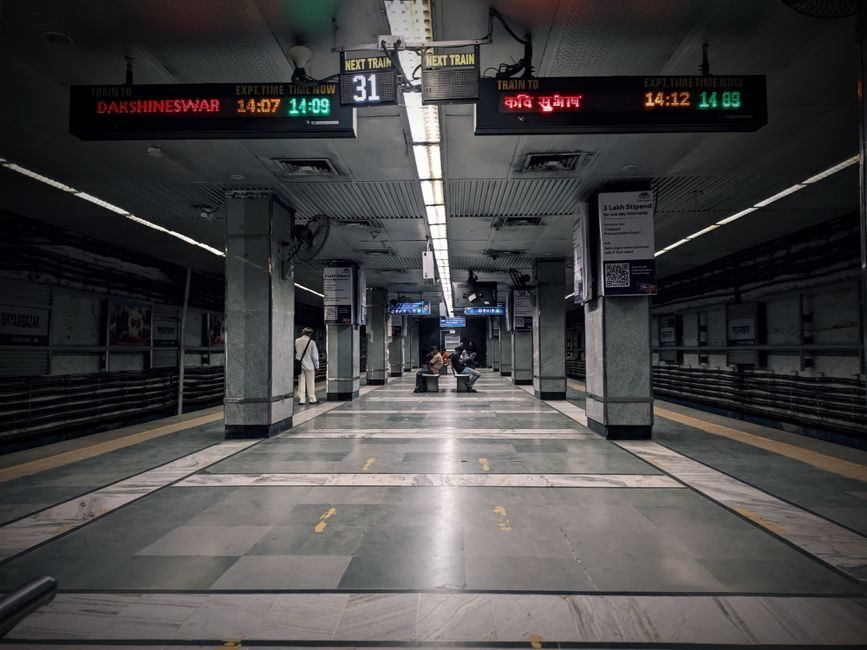
Before leaving, check your destination, likely connections and a practical alternative if one part of the journey changes. Kolkata trips may combine Metro, bus, local train, ferry or walking, so confirm how you will reach the next stop rather than relying on a single connection. Community groups preparing journey-planning guidance may use guest posting services uk to place practical advice with relevant readers.
Keep essential details accessible, including your destination and the name of a contact you could call. Make sure your phone has enough charge for the journey, and consider carrying a portable charger if you already use one. If the device stops working, know another way to ask for directions or assistance.
Allow room in your plan for delays and changes, especially when connecting between transport modes or travelling somewhere unfamiliar. If you miss a connection, pause somewhere suitable and reconsider your choices instead of rushing into an unfamiliar alternative. A flexible plan gives you time to check what is available and decide what feels comfortable.
Share plans with care
Sharing your route or expected arrival time with someone you trust can make it easier to check in if plans change. Choose a contact who is likely to respond and agree on what you will do if you cannot reach them. This is an optional support, not a requirement for every journey or a substitute for public services.
If you change transport or decide to stop somewhere, a short update can prevent unnecessary worry. You can share only the details that feel appropriate, such as your destination or revised arrival estimate. Avoid sending sensitive personal information to people you do not know or through public posts that reveal where you are.
For journeys with several stages, agree on a simple check-in point, such as after a transfer or on arrival. If you are travelling with a friend, decide where to meet if you become separated in a crowd. Clear expectations can help both people respond calmly without needing to keep messaging throughout the trip.
- Tell a trusted contact your destination if useful.
- Agree on a simple check-in point.
- Update them if your plans change.
- Keep personal details off public posts.
Stay aware on public transport and in busy places
Use transport with awareness
On buses, Metro trains and local trains, choose a position that lets you see your surroundings and move if needed. Keep your belongings secure and avoid becoming so absorbed in a screen that you miss announcements or changes around you. A guest post marketplace can help an organization sharing transport-safety information find suitable publication options.
- ☐ Check signs and announcements before boarding.
- ☐ Keep your destination and next connection in mind.
- ☐ Identify staff or other people you could approach.
- ☐ Agree on a meeting point when travelling with someone.
At a station or bus stop, check signs and announcements before boarding, and ask staff when you need help with directions. If a carriage or waiting area feels uncomfortable, move to another suitable place when it is practical. The aim is to retain options, not to assume that any transport service or location is inherently unsafe.
Crowds can make it harder to move, hear announcements or stay with a companion. Decide where you will meet if separated, and keep track of which stop or station you need. If someone is bothering you, move towards other passengers or staff and state clearly that you need assistance if you feel able.
| Option | Useful when | Next step |
|---|---|---|
| Transport staff | You need help at a station or on a service | Explain briefly what is happening |
| Nearby bystander | You need someone to stay nearby | Ask for one specific action |
| Trusted contact | You want support or a check-in | Call or send a short update |
| Official help | There is immediate danger | Ask staff or others to contact authorities |
Handle crowded public spaces
Markets, festival gatherings, transport interchanges and busy pavements can be difficult places to move through quickly. Keep your route in mind and avoid stopping in a way that blocks movement while checking directions. If a crowd becomes uncomfortable, look for a clear edge or staffed point rather than pushing against the flow.
When attending a public event in Kolkata or elsewhere in West Bengal, decide where to meet your companions if you become separated. Keep children or other people in your group close, and choose a recognisable meeting point that is easy to describe. Follow official instructions from event staff or authorities if crowd movement changes.
If you need information about a transport change or an event, use official announcements or ask staff where available. Check details before setting off when possible, since conditions and arrangements can vary. Staying aware means noticing practical information and knowing your options; it does not mean you are responsible for managing every risk around you.
You can ask a specific person for help, such as a transport worker or security staff member, rather than addressing a crowd.
Choose how to respond when a situation feels unsafe

Move towards support
If a situation feels unsafe, focus first on getting to a place where you can think and seek help. Move towards staff, a staffed counter, an open business or a group of people, if one is nearby and accessible. Groups publishing clear advice on responding to uncomfortable situations may consider buy sponsored posts to reach a wider audience.
You can ask a specific person for help, such as a transport worker or security staff member, rather than addressing a crowd. Explain briefly what you need, for example help finding staff or staying in a public place. If speaking feels difficult, use a phone to contact someone you trust or show them a message.
If the behaviour continues or you face an immediate threat, prioritise leaving the situation and seeking urgent assistance. Use official help channels available where you are, and ask nearby staff or bystanders to contact the appropriate authorities if needed. Do not put yourself at greater risk to confront someone or collect evidence.
Choose a calm next step
There is no single correct response to harassment or intimidation, and you can choose the option that seems safest. You might leave, speak to staff, ask a bystander for help or contact someone you trust. Avoid judging your response afterwards by whether it looked forceful; getting to safety matters more than performing confidence.
If you are helping someone else, approach without crowding them and ask what kind of support they want. You could offer to stay nearby, find staff or help them reach a trusted contact. If the person appears in immediate danger, alert appropriate staff or authorities rather than attempting a confrontation that could escalate the situation.
After reaching a safer place, take time to decide whether you want to report what happened or seek support. If you choose to report, note what you remember when you feel ready, including the place and circumstances. You are not obliged to share more than you want, and support can be sought even if you do not make a formal report.
- Leave for a more populated or staffed place.
- Ask a specific person for practical help.
- Contact someone you trust.
- Seek urgent assistance if there is immediate danger.
Use your phone and emergency contacts thoughtfully
Keep Essential Details Accessible
Save emergency contacts under clear names and make sure you can reach them from your phone’s lock screen if that feature is available. Include someone who can answer promptly and knows your usual plans. Check that the numbers are current, and tell those contacts what kind of help you may need them to arrange.
Before leaving, charge your phone and consider carrying a small power bank on a long journey. Keep the device somewhere easy to reach without leaving it visible or unattended. If you use headphones, keep the volume low enough to hear announcements and nearby activity, especially while changing transport or walking through a busy public space.
A phone can help you get support, but it should not become the only part of your plan. Know the name of your destination, a nearby public landmark, and how to ask staff for assistance if your battery runs out or mobile service is unreliable. For organizations sharing phone-safety guidance, press release distribution uk can help circulate a public information announcement.
- Save trusted contacts under recognizable names.
- Keep your phone charged before a long journey.
- Know a nearby landmark in case service fails.
Use Location Sharing Selectively
Share your live location only with people you trust and only for as long as it serves a clear purpose. Check which app is sharing it, who can view it, and when access ends. A direct message with your destination and expected arrival can be a simpler choice when continuous tracking is unnecessary.
If a plan changes, send a brief update rather than assuming someone will infer what happened. Tell your contact if you are taking a different train, waiting for a connection, or arriving later than expected. Agree in advance on what they should do if you miss a check-in, so both of you understand the arrangement.
Avoid posting your real-time journey publicly, particularly when the update reveals that your home is empty or where you are headed next. Review location permissions after changing phones or installing an app, because old sharing settings may remain active. These habits protect privacy while keeping useful communication open with trusted people.
Seek help and report an incident

Ask A Trusted Person Nearby
If you feel threatened, move toward a staffed, well-used place and ask a specific person for help. In a station, approach railway or Metro staff; at a public venue, look for security personnel or an information desk. A clear request, such as asking someone to stay with you while you call a contact, gives them an immediate way to assist.
You do not need to prove that a situation is dangerous before seeking support. If someone is following you, making unwanted contact, or preventing you from leaving, tell staff what is happening and where it is occurring. If there is immediate danger, contact the appropriate emergency service using the current official number for your location.
When an incident occurs on public transport, note the service, direction of travel, station or stop, and approximate time if you can do so safely. Ask staff how to make a formal complaint and whether they can direct you to the relevant reporting channel. Community groups coordinating safety-awareness material across partner sites may find white label link building relevant to their outreach work.
- Move toward staff or a staffed public place.
- Describe the behaviour and location clearly.
- Ask what reporting channel applies.
Record And Report Carefully
Write down what you remember as soon as you are somewhere safe, while details are still clear. Include the sequence of events, location, time, transport service if relevant, and descriptions you can recall without guessing. Preserve messages or other records connected to the incident, and avoid editing or circulating them before you have decided how to report.
Reporting routes vary with the place and type of incident, so ask the relevant institution or public authority which channel handles it. For an incident on a train or Metro service, staff can explain how to reach the operator’s complaint process; for a crime or immediate threat, contact police or emergency services. Keep any acknowledgement or reference details provided.
You can seek support from a trusted person while deciding what to do next. If you are worried about privacy, ask who will receive your account and how your information may be used. Avoid confronting the person involved or posting identifying allegations online, since that can create further risk and complicate a formal report.
Share reliable safety information in your community
Check Before Passing Advice Along
Before forwarding a safety alert, check who issued it, when it was shared, and whether it names a verifiable place or service. An old warning can be mistaken for a current one, while an unsourced message may cause unnecessary alarm. Look for confirmation from an official authority, transport operator, or established local news outlet.
- Verify an alert with a responsible source.
- Include when and where it applies.
- Do not label whole areas unsafe from one report.
Keep any message you pass on precise and useful: explain what is confirmed, where it applies, and when the information was last checked. Avoid turning an individual account into a claim about an entire neighbourhood or route. In Kolkata and elsewhere in West Bengal, people use varied routes and schedules, so vague warnings can mislead rather than help.
If a group is planning a wider safety-information campaign and needs professional outreach support, an seo agency directory could help it identify agencies to approach. That work is separate from verifying an alert: confirm the underlying safety information with the responsible authority before distributing it. Clear sourcing helps neighbours judge what action, if any, they need to take.
- Check the source and date before forwarding.
- State the location and scope precisely.
- Separate confirmed facts from personal accounts.
Make Local Guidance Practical
Useful community guidance answers ordinary questions: where to find staff, how to contact a transport operator, and what information to include in a report. Keep it relevant to the setting, whether a neighbourhood meeting, college noticeboard, workplace group, or local residents’ chat. Readers can act more easily when advice is specific without being alarmist.
When sharing material in Bengali, English, or another language used by the audience, check that the translation preserves the original meaning. Avoid ambiguous shorthand and make sure emergency contact details or official links are copied accurately. A local organization can ask a trusted bilingual reader to review the wording before distributing it more widely.
Invite readers to flag outdated information and provide a clear way to check updates. Do not ask people to post personal journeys, phone numbers, or incident details in a public group. A moderated channel, with a named organization responsible for updates, helps keep practical advice visible while reducing rumours and unwanted exposure.
Build habits that support confidence and independence

Practise Small Journey Decisions
Build confidence by making journey decisions before pressure arises, then adjust them as circumstances change. Check the service you plan to use, identify a reasonable alternative, and notice where staffed help is available at your destination. This is preparation, not a promise that every trip will go exactly to plan.
- Mistake: treating one route as the only option; better approach: know a practical alternative.
- Mistake: relying on memory for an unfamiliar interchange; better approach: check signs and service information.
- Mistake: cancelling ordinary plans because of a general warning; better approach: verify relevant details and make a proportionate plan.
If you are learning a new route across Kolkata or travelling to another part of West Bengal, try it at a time that suits you and leave room for delays. Pay attention to interchange points, platform signs, and the walk between a stop and your destination. Familiarity with these practical details can make later trips feel more manageable.
Choose the level of preparation that fits the journey rather than following a rigid checklist every time. For a familiar daytime trip, a charged phone and a clear destination may be enough; a late or complicated journey may call for checking connections and sharing an arrival plan. Your choices should support independence, not restrict where you go.
- Learn unfamiliar interchanges without rushing.
- Identify a backup connection or waiting place.
- Adjust your plan when services change.
Set Boundaries Without Apology
You can end a conversation, move seats, or decline help without explaining your reasons to a stranger. A short, firm response is often clearer than a long exchange, and you can then move toward staff or other people if that feels safer. Trusting discomfort does not require you to accuse anyone or predict what they might do.
Practise simple phrases that feel natural to you, such as saying you need to speak with staff or that you do not want company. If speaking feels difficult, call a trusted contact or ask a nearby person directly to stay with you. These options can be adapted to a bus, station, market, campus, or public event.
Confidence also includes accepting useful assistance when you choose it and changing your mind when circumstances shift. If someone offers directions, you can check them against signs or official information rather than following automatically. The goal is to keep control of your next step, while remembering that responsibility for harassment or violence rests with the person who causes it.
Frequently asked questions
What should I do if my phone battery dies while travelling?Move to a staffed or well-used public place, such as a transport help point, and explain that your phone has run out of power. Ask staff to help you contact someone or identify the appropriate service information. If you have memorized one trusted contact’s number, you may be able to use another phone; avoid leaving with a stranger who offers help.
Should I confront someone whose behaviour makes me uncomfortable?You do not have to confront anyone or decide whether their behaviour meets a particular threshold before moving away. If it feels safer, head toward staff or other people, call someone you trust, or make a direct request for assistance. If there is immediate danger, seek urgent help through the appropriate emergency service rather than staying to argue.
How can I help a friend who says she feels unsafe?Listen without questioning whether her concern is justified, and ask what practical support she wants. You might stay on the phone, help her reach staff, arrange a safe way to contact someone trusted, or accompany her if she asks. Do not share her account or location with others without permission, except where urgent action is needed to protect life.
What details are useful when reporting an incident?When safe, note the place, approximate time, sequence of events, transport service or venue, and descriptions you can recall accurately. Keep related messages or records, but do not guess at missing details. Ask the receiving authority how to submit the information, what happens next, and how to retain any acknowledgement or reference details they provide.
Make Safety Part of Everyday Planning
Practical safety habits can make everyday travel and public-space decisions easier without narrowing where women go or placing the burden for misconduct on them. Keep contacts accessible, use location sharing deliberately, and know how to reach staff or official help. When sharing alerts, check the source and scope before passing them on, and preserve accurate details if you choose to report an incident.
Choose one small step to put into practice before your next journey: check your emergency contacts, learn where to find staff at a regular interchange, or agree on a simple check-in plan with someone you trust. Adapt that plan to the trip rather than treating it as a rule. If an incident occurs, move to safety first and seek the support you need.
Add West Bengali as a preferred source on Google


