
Weather and Climate in West Bengal: What’s the Difference?
Learn how short-term weather differs from long-term climate, and how Kolkata and West Bengal residents can use forecasts and seasonal patterns wisely.

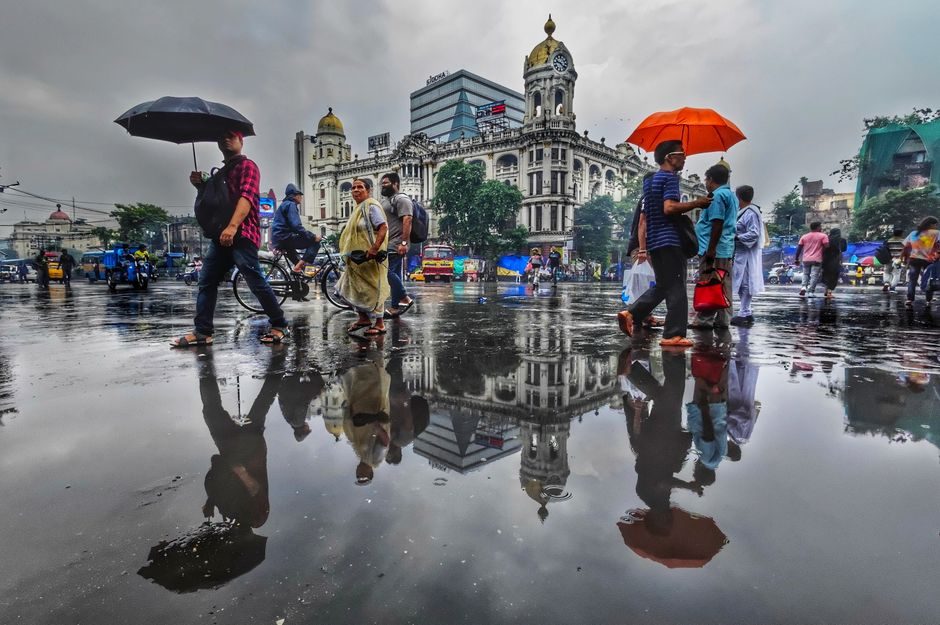
Weather is the short-term condition of the atmosphere: whether Kolkata is rainy, humid or sunny today. Climate describes the usual pattern of weather in a place over many years, including its seasons and typical conditions. A forecast tells you what may happen soon; climate helps explain why monsoon rain and summer heat are familiar parts of life across West Bengal.
The distinction matters when planning a commute, a trip or outdoor work. A rainy afternoon does not mean the region’s climate has changed, just as a seasonal climate pattern cannot tell you whether your local train journey will be wet today.
Use forecasts for immediate decisions and seasonal knowledge for broad preparation. For Kolkata and other parts of West Bengal, keeping those time scales separate makes weather reports easier to interpret.
- Weather describes short-term conditions; climate describes patterns over many years.
- Use forecasts for immediate decisions and seasonal patterns for broad preparation.
- Conditions vary across West Bengal, so check forecasts for the specific place and time.
- A regional climate pattern cannot tell you exactly what today’s weather will be.
What Weather and Climate Mean
Conditions at a Moment
Weather describes what the atmosphere is doing over a short period, from an hour to a few days. It includes temperature, rain, wind, humidity and cloud cover. In Kolkata, a humid morning followed by a thunderstorm is a sequence of weather conditions, not a description of the city’s climate.
A forecast is an estimate of these near-term conditions, based on observations and calculations that can change as new information arrives. One report may call for showers across the city, while local conditions differ between neighbourhoods. Treat it as a guide to likely conditions, not a promise that rain will fall at your doorstep.
Visitors from Turkey planning a West Bengal trip can check bugünkü döviz kurları alongside seasonal weather information when preparing their travel budget. The phrase refers to current exchange rates, while a weather forecast concerns near-term atmospheric conditions. Both kinds of information can support planning, but they answer different questions and change on different timescales.
- Temperature and humidity
- Rain and cloud cover
- Wind and storm conditions
Patterns Over Many Years
Climate describes the patterns that emerge when weather is considered over many years. It includes the usual range of temperatures, seasonal rainfall and recurring conditions in a place. Kolkata’s humid summers and monsoon season belong to this broader picture; they do not specify what any particular day will bring.
Climate is not simply an average temperature. The timing and spread of rain, the length of warmer or cooler periods, and the frequency of certain conditions all help describe a region’s climate. Comparing these broad patterns can show how Kolkata differs from a hill district such as Darjeeling.
The two ideas work together: climate gives context, and weather shows what is happening now. Knowing that monsoon rain is typical in the region helps explain a seasonal forecast, but it cannot tell you whether a specific afternoon will be clear. For immediate choices, check the current forecast rather than relying on seasonal expectations.
How Weather Differs from Climate

Different Time Scales
The key difference is time scale: weather can change within hours, while climate describes patterns across many years. A forecast of rain over Kolkata this evening is a weather statement. The expectation that the region has a rainy monsoon season is a climate statement, based on recurring conditions rather than one day’s outlook.
That difference matters when interpreting an unusually hot or cool day. A brief spell outside the season’s usual conditions does not, by itself, establish a change in climate. To assess a climate trend, people examine patterns over time, not a single forecast or an isolated weather event.
A Turkish visitor comparing travel costs can use an online döviz çevirici while deciding what to set aside for weather-related changes to plans. The converter can help with a budget calculation, while a local forecast is the source to check for near-term rain or heat. Neither tool substitutes for the other.
Place Shapes the Picture
Weather and climate can vary across West Bengal, so a forecast for one place should not be treated as a report for the whole state. Conditions in Kolkata may differ from those in Darjeeling or the Sundarbans. Climate also varies by location, shaped by factors such as elevation, distance from the sea and local geography.
A statewide seasonal description gives useful background, but it cannot capture every local difference. Hill areas and the coastal region do not experience identical conditions, even within the same season. When planning a journey, look for information tied to the destination rather than assuming Kolkata’s forecast applies everywhere.
Forecasts also cover different areas and time spans, so check what place and period a report describes. A city-level outlook is more relevant to a Kolkata commute than a general state summary. Reading the location and timing carefully helps distinguish a useful local update from broad seasonal context.
- Match the forecast to your destination
- Check the period it covers
- Use climate summaries for broad context
West Bengal’s Seasonal Patterns
Monsoon and Everyday Routines
Monsoon is a recurring seasonal feature across West Bengal, but it does not mean continuous rain in every place every day. In Kolkata, rain can affect walking, road journeys and outdoor plans, while conditions may vary across the city and the wider region. Seasonal expectations help with preparation; only a current forecast can guide a particular day.
- Assuming monsoon means rain all day; check the local forecast.
- Applying Kolkata conditions to the whole state; check each destination.
- Treating a seasonal pattern as a daily prediction; use a current outlook.
For everyday planning, consider both the season and the immediate outlook. Keeping rain protection handy during a wet spell may be sensible, but deciding whether to leave early for a journey calls for a fresh forecast. Seasonal climate describes what conditions are broadly associated with that period, not the exact timing of a downpour.
A monsoon pattern can also affect places differently across the state. Coastal areas, the plains and northern hill districts have distinct local conditions, so a seasonal description should not be mistaken for a uniform forecast. If a journey crosses districts, check updates for the places along the route as well as the destination.
- Use seasonal context for general preparation
- Check the forecast before travelling
- Follow local conditions along a route
| Area | Seasonal context | Planning use |
|---|---|---|
| Kolkata | Humid summers and monsoon season | Check city forecasts for daily plans |
| Darjeeling | Hill conditions differ from the plains | Check the destination forecast |
| Coastal West Bengal | Local conditions differ from inland areas | Review updates for the coastal location |
Heat, Hills and Coast
West Bengal’s geography creates different seasonal experiences within the state. Kolkata’s urban setting can feel hot and humid, while Darjeeling’s elevation brings different conditions. Along the coast, local weather may differ again. These contrasts are a reason to look beyond a single city’s experience when thinking about regional climate.
Summer heat is part of the seasonal picture, but the intensity on a given day is a weather question. A hotter-than-usual afternoon may affect outdoor work or a school journey, so check a current local update. Long-term climate descriptions help set expectations for the season, not determine whether today will be especially uncomfortable.
When comparing seasonal conditions, keep both place and time in view. A description of a typical season across West Bengal cannot replace a forecast for a specific town, and one town’s conditions cannot represent every district. This distinction is useful for residents travelling between regions as well as visitors planning a longer stay.
Start by checking which place and time a forecast covers before using it to plan your day.
How to Read a Forecast Locally
Check Place and Timing
Start by checking which place and time a forecast covers before using it to plan your day. An outlook for Kolkata may not describe conditions in Howrah or a district farther north. Pay attention to whether it refers to the morning, afternoon or coming days, since weather can change within that span.
Then focus on the conditions that affect your plans. Rain is relevant to an outdoor event or a walk to a station; heat and humidity may matter for a long journey or work outside. A forecast is most useful when you connect its details to a decision, rather than reading a general description without considering your plans.
For a trip outside the city, check the destination forecast separately and review it again near departure. Conditions can differ between the origin and the place you are travelling to, especially across the state’s varied terrain. This simple habit helps avoid treating a Kolkata update as a reliable prediction for the entire route.
- Confirm the forecast location
- Check the time period
- Focus on conditions that affect your plans
Separate Outlook from Season
Read a forecast as a short-term outlook, even when it mentions a familiar seasonal condition. A report of rain during monsoon tells you what may happen in the forecast period; it does not define the season as a whole. Conversely, knowing that monsoon is expected does not confirm rain on your street today.
Forecast language signals uncertainty, so avoid turning a possibility into a certainty. If showers are possible, keep a flexible plan for an outdoor activity and check again as the time approaches. That approach is more practical than cancelling every plan based on a broad seasonal expectation or a single early outlook.
For longer-term decisions, seasonal climate patterns can help with general preparation, such as anticipating heat or wet conditions during the appropriate period. For immediate travel, outdoor work or an event, use an up-to-date forecast for the right place. Keeping those uses separate makes both climate information and daily forecasts more meaningful.
Planning a Visit Around the Weather
Choose Dates With Flexibility
Plan an outdoor visit with room to shift activities if rain or heat changes the day. Kolkata’s humid conditions can make a short walk feel tiring, while monsoon showers may interrupt travel between attractions. Seasonal patterns offer context, but they cannot tell you whether a particular afternoon will be wet or clear.
- Seasonal expectations help with packing, not with predicting a specific day.
- Check conditions for every district on a multi-stop trip.
- A flexible itinerary can absorb a brief shower or heat spell.
For a trip involving Darjeeling, the Sundarbans or coastal districts, check conditions for each destination rather than relying on a Kolkata forecast. West Bengal’s terrain and distance create different local conditions, so a city’s weather may not match that of a hill station or river delta. Allow extra time when journeys depend on road or rail connections.
Keep one indoor option alongside each major outdoor plan, such as a museum visit or a covered market walk. If skies are clear, you can use the flexible slot for a park or riverside outing instead. This approach makes a changing forecast useful planning information rather than a reason to cancel the whole day.
- Check a destination-specific forecast before departure.
- Leave buffer time for journeys during rain.
- Keep an indoor alternative for outdoor plans.
Match Activities to Conditions
Schedule strenuous outdoor plans for cooler parts of the day when heat is forecast, and keep water breaks in the itinerary. In Kolkata, a shaded route can be more comfortable than a longer walk exposed to the sun. For rainy periods, confirm that the places you plan to visit are accessible before setting out.
Forecasts help you compare options, but conditions can change between morning and evening. Check again before travelling, particularly if your plan depends on a ferry, an outdoor event or a long road journey. A forecast update is a prompt to reassess timing and transport, not a guarantee that a particular activity will be disrupted.
Pack for the conditions indicated by the latest forecast as well as the season. A light rain layer can be useful during a wet spell, while breathable clothing and sun protection help during hot, bright weather. Avoid treating a seasonal average as a packing list: it cannot tell you which conditions will occur on your dates.
Preparing for Changing Conditions

Build a Simple Weather Routine
Check an official forecast before leaving home, then look for updates if rain, heat or strong winds could affect your route. A morning check is useful for the day’s broad plan; a later check can help you decide whether to change an outdoor errand. This routine is more reliable than assuming the sky will stay as it looks now.
- Start with the forecast for your exact destination.
- Read any warning alongside the expected timing and conditions.
- Recheck before travel if weather could affect the route.
- Change plans when the latest information calls for caution.
Use the same few details each time: expected rain, temperature, wind and the time window for any warning. These help you judge whether to carry an umbrella, allow more time or move an activity indoors. If you need to estimate a dollar-denominated expense for a visit, 1 dolar kaç TL can help put that cost in perspective before planning around local conditions.
When travelling across West Bengal, check the forecast for the destination as well as the departure point. Conditions around Kolkata may differ from those in the northern hills or southern coastal areas. Save the relevant district or city forecast where possible, and check again before a long journey because an earlier update may no longer reflect the latest conditions.
- Check an official local forecast before leaving.
- Note rain, temperature, wind and warning periods.
- Recheck conditions before a long journey.
- Adjust timing or transport when conditions warrant.
Prepare for Heat and Rain
Keep everyday items ready for the conditions that forecasts commonly ask you to consider: an umbrella or rain layer for showers, and drinking water for hot outings. During heavy rain, allow extra time for travel and avoid assuming every road will remain easy to use. Practical preparation reduces last-minute decisions when conditions shift.
In hot weather, choose shaded routes and take breaks rather than pushing through discomfort. For children, older people and anyone with health concerns, plan outdoor activity with extra care and follow public health or local authority advice. A forecast does not measure how each person will feel, so respond to both official guidance and signs of strain.
If severe weather is forecast, follow instructions from relevant authorities and transport operators. Do not enter waterlogged underpasses or attempt to cross flowing water, even when a familiar route seems passable. If travel is not essential, postponing it can be safer than trying to work around a dangerous condition.
Common Misunderstandings About Climate
Separate Trends From Daily Events
A hot afternoon does not, on its own, prove that the climate has changed, just as a cool day does not disprove a long-term trend. Weather describes conditions over a short period; climate describes patterns observed across many years. To understand climate, look for repeated changes over time rather than drawing a conclusion from one memorable day.
Seasonal expectations are useful background, not promises about when rain will begin or end. The monsoon season shapes planning across West Bengal, but individual showers and dry spells vary. A forecast addresses the near term; climate information helps explain the broader conditions in which those forecasts occur.
Local experience can identify changes worth paying attention to, but comparisons need consistent records and time frames. Recalling one unusually wet season against a distant memory may leave out important differences in timing or measurement. Use long-term observations for climate questions and current forecasts for decisions about today or tomorrow.
- Use forecasts for near-term decisions.
- Use long-term records to assess climate patterns.
- Avoid drawing conclusions from one unusual day.
Understand Regional Differences
West Bengal does not experience identical weather everywhere at once. Kolkata’s built-up streets, the Himalayan foothills, the western districts and the coastal belt each have distinct local features. A state-wide seasonal description is helpful context, but it cannot replace a location-specific forecast when deciding what to wear or whether to travel.
Urban conditions can also differ from those in nearby less-built areas. Buildings, roads and limited shade can affect how heat is experienced in Kolkata, while a forecast describes conditions for a particular place and period. Consider the route and time spent outdoors, not only the temperature shown for the city.
Climate describes longer-running patterns for a place, not a fixed script for every year. A season may arrive with variation in timing, intensity or the length of wet and dry spells. That variability is why residents should use seasonal knowledge for broad preparation and current alerts for immediate decisions.
Practical Ways to Follow Local Weather

Use Reliable Local Updates
Start with forecasts and alerts from official weather services or relevant public authorities, especially when a warning could affect safety. Read the location and issue time so you know which area and period the information covers. A forecast for one part of West Bengal may not apply to your neighbourhood or destination.
Before leaving, compare the expected conditions with the demands of your plan: walking, driving, commuting or attending an outdoor event. Rain timing and warnings may matter more than a general impression that the day will be wet. If conditions affect public transport or roads, check updates from the relevant operator or authority as well.
For a longer journey, check again shortly before departure and keep an alternative in mind. Do not rely on a screenshot or message without a clear source and time, since it may refer to an earlier forecast. When official alerts advise caution, follow them rather than treating a routine travel plan as fixed.
- Confirm the source and update time.
- Check the forecast for the precise location.
- Look for alerts relevant to your route.
- Recheck before a longer journey.
Make Forecasts Useful Daily
Turn weather information into a practical decision rather than checking it without a purpose. If rain is expected during your commute, carry protection or allow more time; if heat is forecast during an outdoor errand, consider a shaded route or a different hour. The useful question is what the information changes about your plan.
Notice how forecasts and actual conditions compare over time, but do not expect every prediction to match precisely. Rain can be local, and conditions may shift during the day. Use updates to adjust decisions as new information arrives, rather than judging a forecast solely by what happened at one nearby street.
For climate questions, look for summaries based on long-term observations from dependable sources, not a single forecast screen. Keep the distinction clear: current updates support immediate choices, while climate records help explain recurring conditions and changes over many years. Using each kind of information for its proper purpose makes local weather easier to interpret.
Frequently asked questions
Can Kolkata’s forecast apply to the whole of West Bengal?No. A forecast applies to a stated location and period, and conditions can differ between Kolkata, the northern hills, western districts and coastal areas. For travel or outdoor plans, check the forecast for the destination as well as the starting point. State-wide seasonal information gives useful context, but it cannot substitute for a local update.
Why can it rain in one part of the city but not another?Rainfall can vary over short distances, especially during showers that develop locally. A city forecast describes a broader area and does not guarantee that every neighbourhood will receive the same rain at the same time. Check current updates before a journey, and carry suitable protection when rain is possible rather than relying only on what you see outside.
Does a seasonal forecast tell me what the weather will be on my travel day?No. Seasonal information describes broad expectations over a longer period, while a day-specific forecast estimates conditions over a shorter window. Use the seasonal outlook to think about general preparation, such as clothing and flexibility, then check a local forecast closer to departure. Recheck before travelling if rain, heat or a warning could affect your plans.
What information should I check besides the chance of rain?Check the expected temperature, wind, timing of rain and any official warning that applies to your location. These details help you decide whether to change an outdoor activity, allow extra travel time or carry rain protection. For a longer trip, also check relevant transport or public authority updates, since weather may affect access and travel conditions.
Use the Right Weather Information
Weather tells you what conditions may be like soon; climate describes the longer patterns that shape West Bengal’s seasons. For everyday decisions, a current, location-specific forecast is more useful than a broad seasonal expectation. For understanding recurring conditions, look at long-term information and avoid treating a single unusual day as proof of a lasting change.
Before your next commute or outing, check an official forecast for the place you are going, note any warnings and adjust your plan if needed. If you are travelling across the state, check each destination separately and leave room for changing conditions. That simple habit helps make local forecasts clearer and seasonal knowledge more practical.
Add West Bengali as a preferred source on Google


