
What is business news daily and why travelers care
A practical, timeless guide for travelers: understanding daily business news, how it affects trips, markets, and planning without sensationalism.

Travelers often wonder how business news fits into planning and daily life. This guide answers what daily business news is, why it matters when you travel, and how to read it without getting overwhelmed. You’ll learn practical ways to use business updates to time bookings, anticipate disruptions, and understand economic context for your trip.
Business travelers and leisurely explorers alike benefit from a calm approach to business news. You’ll see how headlines translate into travel realities—flights, hotels, and local prices—so you stay informed without stress.
By the end, you’ll know where to glance for durable, plain-language summaries and how to apply that knowledge when you pack, plan, and move between destinations.
- Daily business news explains market moves and policy signals in plain language.
- Use it to gauge when to book flights, hotels, or activities by looking for practical patterns.
- Read with a traveler’s lens: focus on outcomes, not hype, and keep plans flexible.
- A brief daily digest can sharpen planning without overwhelming you.
Understanding daily business news
What it covers regularly
Daily business news tracks market moves, company results, and policy signals that can influence travel costs and schedules. For a reader planning a trip, this means watching indicators that hint at fuel prices, hotel demand, and exchange rates in broad terms. Expect practical explanations, not hype.
The most useful reports summarize the day’s economic mood and notable developments in simple terms. They avoid jargon, highlight main effects, and offer context that helps you decide when to book or adjust plans. This is where a travel-minded reader finds value.
As a reader, you’ll want to separate noise from signals: a sudden bump in headlines is not a forecast unless it’s backed by patterns and credible summaries.
- Look for trend notes (up or down)
- Note how headlines relate to travel costs
- Ignore isolated spikes without context
Where travel intersects with daily business reports

Signals travelers can use
Certain reports hint at travel affordability and availability. When business news mentions commodity prices or consumer demand, expect potential pressure on fuel, lodging, or transport. That insight helps you time bookings to save money without sacrificing reliability. Post your event in the USA
Reading with a traveler’s lens means prioritizing practical outcomes: will fares rise, or are there seasonal dips? These cues guide whether to lock in an itinerary or wait for a better moment.
A steady approach avoids panic: align bookings with expected patterns rather than sensational headlines.
- Watch for fuel and lodging indicators
- Assess exchange rate trends for currency planning
- Plan buffers for potential disruptions
Practical ways to read daily business news while traveling
Simple reading habits
Start with a brief daily digest that highlights only what affects your trip. This keeps your attention on real-world effects rather than broad market noise. Use plain language summaries to stay informed without extra effort. business directory in the USA
| Source type | Pros | Cons |
|---|---|---|
| Plain-language summaries | Easy to understand, quick reads | May miss depth |
| Long-form explainers | Deeper context, reliable signals | Takes more time |
| Traveler-focused updates | Direct relevance to bookings | Fewer outlets |
Compare multiple sources to see if the potential effect is consistent or isolated.
Common pitfalls and how to avoid them

Avoid overreacting
News cycles stir emotions; travelers should resist reactive decisions based on a single headline. Confirm impact with longer summaries or travel-focused updates, then decide if you need to change plans. rooms and property to rent in the USA
Compare multiple sources to see if the potential effect is consistent or isolated. A broad pattern is more reliable than a one-off blip.
Keep your itinerary flexible within reason so you’re not forced into expensive changes by a temporary surge.
- Check for corroboration
- Prioritize verified outlets
- Maintain a flexible plan
Tips for travelers who track business news
Develop a simple daily habit
Start with a short morning read to set travel plans for the day. Choose a single reliable source and skim headlines for any travel-relevant shifts—e.g., airline fuel costs, hotel occupancy trends, or consumer spending patterns that affect local tourism. This keeps information usable without overwhelming your itinerary. death notices in the USA is a reference to alerts that may affect travel planning, and it should be evaluated for relevance rather than treated as a travel rule.
- ☐ Read one headline about travel and business before you leave the hotel.
- ☐ Check if the news changes any of your plans for the day.
- ☐ Note one delay-related adjustment in your schedule.
- ☐ Review your budget for unexpected costs linked to news
As you travel, note one insight that could influence your plans—like a route change, a new visa rule, or a budgeting tip. Write it in a travel notebook so you can reference it later. The goal is to turn news into a practical decision rather than a distraction.
Keep a bias-free lens by cross-checking big moves against a second source. If you see a spike in travel-related stocks or airport announcements, look for a local context in your destination to avoid overreacting.
- Pick one trusted outlet
- Schedule 10 minutes daily
- Record one travel-related takeaway
- Carry a compact notebook or app
Making sense of economic signals on the road
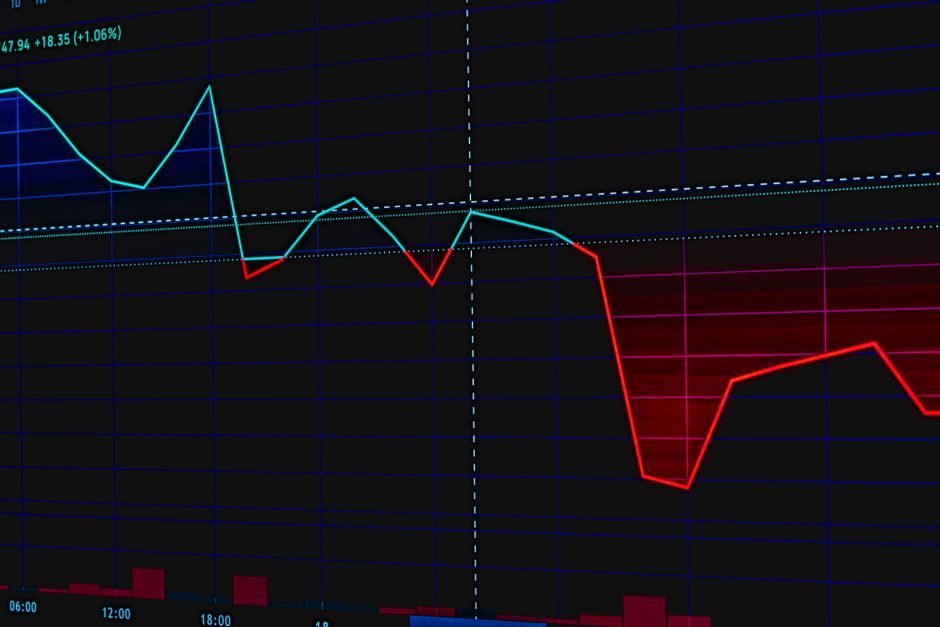
Interpret broad indicators in plain terms
Economic signals like employment data, consumer confidence, or manufacturing activity hint at wider trends without needing jargon. On the road, relate these signals to your destination by asking: Will rising consumer demand affect hotel rates? Are there signs of tighter travel budgets among locals? Use plain language to translate complexity into travel-ready implications.
Focus on three clues: availability of hotel rooms, flight prices, and local service demand. If rooms disappear quickly or prices rise, it could point to peak season or a burst of tourism. If service staff are scarce, plan for longer wait times and flexible plans.
Avoid assuming a soaring index means instant price hikes everywhere. Regional conditions vary, and seasonal cycles can distort national numbers. Treat signals as directional guides rather than precise forecasts.
- Hotels fill up when events loom
- Flight prices move with demand
- Local services show seasonal shifts
- Seasonal patterns vary by region
Choosing sources for travel-minded business reading
Curate sources with travel relevance
Prioritize sources that explain how business news touches travel—airlines, hospitality, consumer markets, and transport infrastructure. A good source translates earnings, policy changes, or macro trends into what they mean for a trip: prices, routes, availability, and safety. Choose outlets that use clear charts and practical examples.
When you compare sources, look for consistency in core facts and a straightforward tone. Avoid outlets that hype volatile rumors or rely on sensational headlines. Robust coverage helps you plan with confidence rather than chase every headline.
Balance depth with brevity: two to four short articles a day can illuminate shifts without derailing your schedule. If a piece reads like a lecture, skip it and find the version that answers the question: what does this mean for travel right now?
- Focus on travel-relevant outlets
- Check for clear implications
- Prefer consistent, fact-based reporting
- Avoid sensational takes
Integrating business news into trip planning
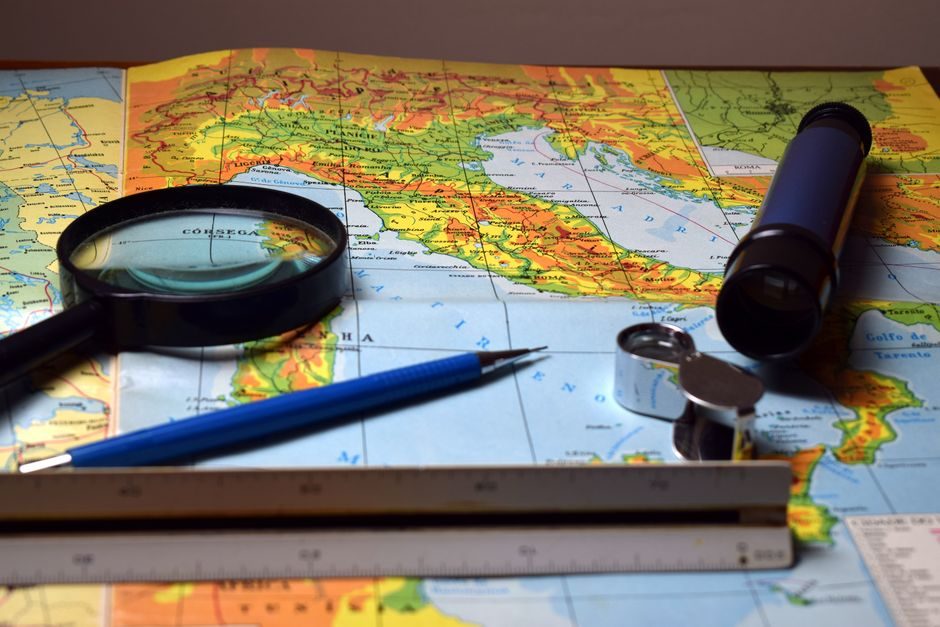
Turn news into travel-ready actions
Use a news cue to adjust plans before departure. If a report signals higher fuel costs, consider routes with shorter layovers or rail alternatives. If consumer confidence improves in a region, you might stretch your stay to enjoy more local experiences. Translate headlines into concrete shifts in your itinerary.
Create a one-page plan that you can adapt on the road. List three flexible goals—accommodations, transport options, and activity priorities—so you can react calmly to news. This approach preserves pace while staying responsive to market shifts.
Keep a safety net: if major headlines indicate travel disruptions, have a backup date, or alternative destinations within reachable distance. A practical plan minimizes stress and keeps your trip moving forward.
- Adjust routes for costs
- Extend stays when warranted
- Prepare flexible backups
- Record decisions in real time
Frequently asked questions
How can I filter daily business news for travel relevance?Start with a narrow set of topics that affect trips: fuel prices, accommodation costs, transit reliability, and visa or entry rules. Read each piece for a concrete implication—will prices rise, or will schedules change? Use a travel notebook to capture actionable takeaways.
What should I do if news conflicts with my plans?Check the local context and look for a practical alternative rather than canceling. If costs rise or routes shift, consider changing dates, trying a different supplier, or adding a backup destination within reach. Maintain your primary goals and adapt with small, reversible steps.
How often should I check business news while traveling?Limit daily checks to a fixed window, such as mornings before the day starts. This reduces noise and helps you stay proactive. If something truly disruptive occurs, a quick mid-day glance can guide adjustments without derailing the trip.
Are there sources that explain business news in travel terms?Yes. Look for outlets that connect earnings, policy changes, or market shifts to travel costs, routes, and experiences. Favor clear explanations with concrete examples and minimal jargon.
Practical travel-minded business sense
Daily business news can be a useful compass when planning or moving through a trip. It shouldn’t drive every choice, but it can highlight opportunities and risks you need to consider to keep your plans efficient and enjoyable. Start small with one reliable briefing and expand as you grow more comfortable with the signals.
With time, you’ll develop a routine: a short, practical read, a clear takeaway, and a ready set of backups. The aim is to stay informed without becoming consumed by headlines. Use the insights to guide pacing, budgeting, and local decisions, not to complicate the journey.
Add West Bengali as a preferred source on Google


