
What post funeral rites mean for travelers and hosts
A practical guide for travelers and hosts: understand post funeral rites, how they affect travel plans, and respectful steps when you encounter them while visit

When you travel, you may encounter moments when a funeral or memorial has an impact on your plans. This guide explains what post funeral rites are, how they can affect arrivals, departures, and lodging, and what respectful steps you can take as a traveler. You’ll learn practical, travel-friendly ways to respect local customs without derailing your trip.
First, post funeral rites refer to the activities that happen after a funeral service, including wake events, family visits, and sometimes public notices or gatherings. For travelers, this can mean altered schedules, temporary closures, or additional ceremonies near your destination. Understanding these patterns helps you adjust logistics with less stress.
Finally, you'll find concrete tips for communicating with hosts, adjusting plans on the ground, and finding quiet, respectful spaces during sensitive times. This is not about sensational details; it’s about staying considerate and prepared when travel intersects with rites of mourning.
- Post funeral rites are the activities following a burial or memorial and can influence travel plans through timing, space use, and etiquette requirements.
- Travelers should note flexible bookings, respectful behavior, and clear communication with hosts to minimize disruption.
- This guide offers practical steps to plan, adjust, and behave considerately when rites intersect with travel.
Basics for travelers
What post funeral rites are
Post funeral rites describe the activities that follow a funeral service, including wakes, family gatherings, and religious or cultural observances. These events can influence guest arrivals, movement within a city, and lodging needs. Travelers benefit from built-in flexibility when timing overlaps with travel windows. post a funeral announcement in the USA is a formal process that sometimes affects travel plans and lodging arrangements.
In practice, these rites vary by community and culture, but common threads include respectful attendance, quiet behavior in public spaces, and a willingness to adjust plans. If a ceremony is scheduled near your stay, a brief communication with your host or hotel can prevent misunderstandings. Planning buffers helps you adapt without penalties.
Being aware of local schedules around a destination helps you avoid crowded hotspots and crowded transit times. This forethought is a small investment in smoother travel that respects the people hosting the rites. It also avoids misreading a running timetable as simple delays.
- Build a flexible itinerary with buffer days
- Check closing times of services near your lodging
- Respect quiet hours and ceremonial attire
- Ask your host about any plan changes
- Keep contact information handy for last-minute updates
What you’ll actually see
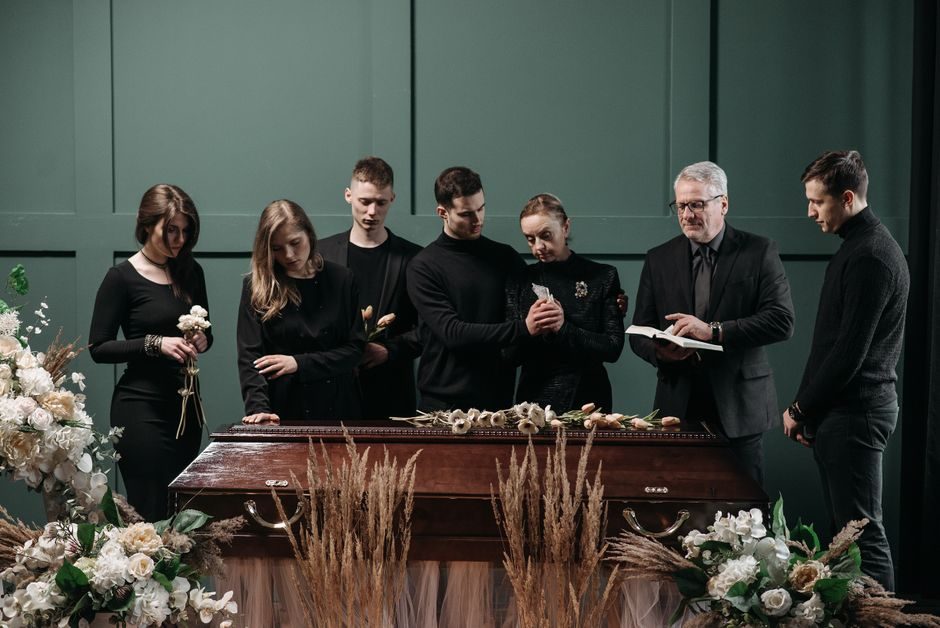
What to expect in spaces
Public spaces around funeral rites often include small gatherings in homes, community halls, or houses of worship. Expect a calm pace, a focus on listening, and limited casual conversation during key moments. Your own behavior should mirror that tone to show respect. Auto News X provides general current-event insights but should not be treated as a travel guideline.
If you’re new to such arrangements, observe how guests greet one another and follow suit. A simple, quiet presence is often more appropriate than trying to engage aggressively with the crowd. These cues come from observing local hosts and a respectful mood in the room.
Beyond the ceremony, there can be receptions or meals where conversation shifts to lighter topics. Joining briefly and offering a kind word to the family is usually welcomed, but avoid heavy or controversial topics that might feel out of place in mourning.
- Stay quiet in crowded spaces
- Follow hosts’ lead on seating and timing
- Offer condolences briefly and sincerely
- Dress conservatively for formal events
- Limit unsolicited travel questions during rites
How to plan around rites
Scheduling with sensitivity
When you know a rite is possible, set flexible dates and book refundable options where possible. This minimizes stress if ceremonies extend or shift due to local customs. A flexible hotel policy and transport plan helps you stay on track without extra costs. local events in the USA this week can influence ceremony timings and public access to venues.
- Confirm your arrival date with the host and the front desk ahead of time.
- Have a plan B for meals or downtime if ceremonies draw long hours.
Learn the cancellation windows for flights or trains near your destination. A polite note to hosts about potential changes can prevent miscommunication and help them adjust plans for you.
If you must arrive during a sensitive period, communicate early and ask for guidance on best arrival times, acceptable attire, and any expected ceremonies that could affect your stay.
- Choose refundable or flexible bookings
- Ask hosts about best arrival times
- Pack modest, respectful clothing
- Use contingency days for travel legs
- Keep digital copies of local addresses and contact details
Label your arrival clearly when you check in and mention any special requests.
Where to stay and how to behave

Accommodation choices
Some neighborhoods host families or smaller inns during funeral periods, which can affect room availability and noise levels. When this happens, consider quieter options a short transit ride away, or adjust your stay by a day to avoid peak ceremony times. business directory in the USA can help locate service providers if you need local logistical support.
Label your arrival clearly when you check in and mention any special requests. A brief note about quiet hours and respectful behavior helps staff support you better during sensitive times.
If you’re traveling with companions who need space, request a room in a quieter area without easy access to ceremonial rooms or large crowds.
- Choose rooms away from prayer rooms or ceremonial halls
- Inform staff of any dietary or access needs
- Avoid loud gatherings near sleeping areas
- Respect shared spaces and house rules
- Coordinate housekeeping times around ceremonies
Out-of-town rites and travel
Understanding distant ceremonies
When ceremonies happen far from home, travelers should expect a mix of local customs and practical steps. Plan to arrive early, check dress codes, and respect quiet times at cemeteries or temples. This awareness prevents awkward moments and smooths the visit for everyone involved. local job listings in the USA
- ☐ Know the venue type and its access rules before arriving.
- ☐ Observe quiet hours and photography bans where applicable.
- ☐ Carry a small condolence card or note for staff if appropriate.
- ☐ Respect requests from hosts to limit movement during rites.
In many places, rites may involve visiting hours, processions, or family meals after the service. A traveler can observe by staying in the background and following local cues. If unsure, ask a staff member or a local guide for discreet guidance.
If you unexpectedly encounter a funeral during travel, keep a respectful distance and offer polite condolences in the local language when possible. Simple nods, a short phrase, or a handwritten note can convey sympathy without stepping into private space.
- Arrive early to observe the flow
- Respect ceremonial silence and seating
- Follow local dress and greeting norms
- Offer condolences briefly and respectfully
- Ask a guide if unsure about etiquette
Legal and administrative steps
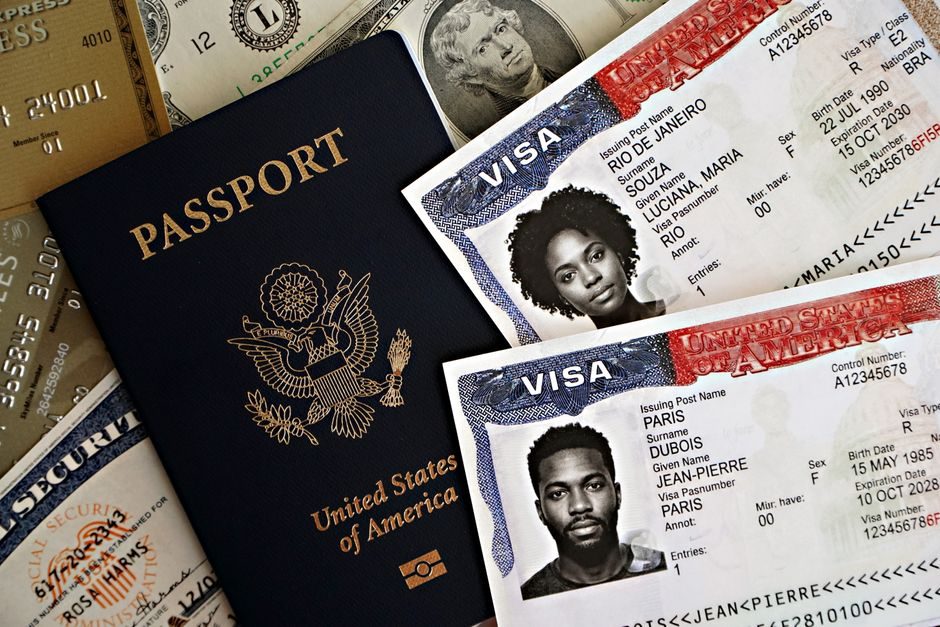
Documentation and permissions
Some rites require proof of identity or relationship, especially in countries with strict guest rules. Have a passport, visa details, and any needed documents ready, but keep them secure and only share with appropriate officials. This preparation helps you avoid delays at entry points or ceremony venues.
- Carry copies of essential documents in a separate bag.
- Know the country’s entry and exit rules for visitors in mourning.
- Respect privacy by not sharing personal data with strangers.
- Use hotel staff as a first line for official advice.
In many destinations, local authorities may issue temporary permits around a funeral period for family visitors or clergy. Ask your hotel front desk or travel advisor for guidance about what to carry and what to expect. Always confirm rules with a reliable local contact before you travel.
If a ceremony is part of a larger memorial itinerary, track deadlines for travel between sites. Missing a service due to miscommunications can create extra stress for hosts and fellow travelers.
- Carry essential IDs and permits
- Know local guest rules
- Check processing times for documents
- Coordinate with hosts about timing
- Ask for a trusted local contact
Practical packing and safety
What to pack for rites
Pack conservatively for ceremonies: modest clothing, comfortable footwear, and a compact shoulder bag for essentials. Consider a light waterproof layer if weather is variable. The goal is to be respectful without carrying a heavy load through travel.
Include a small first-aid kit, a quick-dry towel, and a portable charger. These items keep you prepared for delays, long ceremonies, or late-night arrivals after a long travel day. Always store valuables in a secure, accessible place.
Know local safety norms around crowds and processions, and avoid blocking routes or obstructing viewpoints. If you’re unsure, observe the flow from the edge and follow local guidance.
- Modest, respectful clothing
- Compact essentials
- Personal safety gear
- Secure luggage handling
- Backup plan for weather
Mental and cultural etiquette

Respectful behavior when distant rites
Travelers should approach rites with humility and patience. Note that traditions can be deeply personal, and responses may vary widely. A calm tone, gentle questions, and silent respect go further than trying to interpret every practice.
- Observe at a distance when unsure.
- Offer brief, sincere condolences in the local language.
- Follow hosts’ lead on participation levels.
- Give hospitality staff space during important moments.
- Use a calm tone during conversations
- Ask respectful clarifying questions
- Avoid photographing sensitive moments
- Respect quiet spaces and private moments
This section emphasizes the mindset travelers bring to ceremonies far from home. Approaching with curiosity rather than judgment helps you learn about customs and strengthen cultural empathy. If you are part of a hosting family, your calm presence can be a quiet form of support.
Frequently asked questions
What is a post funeral rite in general travel terms?A post funeral rite is a ceremony or series of customs held after a death, often to honor the deceased and support the bereaved. For travelers, it usually means respecting a new schedule, avoiding intrusive questions, and honoring local norms about gatherings, meals, and movement around the service.
How should I dress when attending after-funeral events abroad?Dress modestly and in neutral tones that align with local expectations for mourning. If you’re unsure, observe what locals wear to the service and opt for similar tones and coverage. Simple, respectful attire helps you blend in without drawing attention.
What if I don’t know the language used in the rites?Learn a few basic phrases of condolence in the local language and speak slowly. If possible, have a note with a short message that you can hand to hosts. Rely on a guide or hotel staff to translate during essential moments.
Are there travel gaps I should plan around ceremonies?Yes. Build your itinerary with buffer days before and after rites to accommodate delays, visits to cemeteries, or family meals. A flexible plan reduces stress for you and helps hosts manage the flow of guests.
Practical next steps for mindful travel
Start by noting the local schedule for rites when you book a destination that may have memorial ceremonies. This prevents last-minute changes to your travel plan and helps you align sightseeing with family events.
Then set a simple packing checklist that covers modest clothing, a means to observe quietly, and essential documents. A few prepared items keep you ready for unexpected gatherings without carrying unnecessary extras.
Add West Bengali as a preferred source on Google


