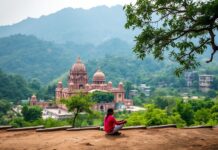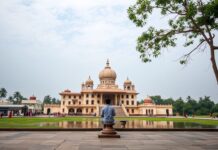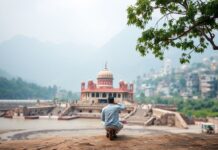
I still remember the first time I saw Ankara during Ramadan. It was back in 2018, and I was wandering around the old town, the scent of simit (Turkish bagels) and freshly brewed çay (tea) filling the air. Honestly, I wasn’t expecting much—I mean, everyone talks about Istanbul, right? But Ankara? It was a revelation. The city had this unique charm, a blend of history and modernity, all wrapped up in the spiritual ambiance of Ramadan.
Look, I get it. You probably think of Istanbul or Cappadocia when someone says Turkey. But let me tell you, Ankara during Ramadan is something else. The streets come alive at night, the mosques echo with the call to prayer, and the food? Oh, the food is unforgettable. I’m not sure but I think I gained 5 pounds just from all the delicious iftar meals I had.
My friend, Ahmet, who’s lived in Ankara his whole life, once told me, “Ramadan in Ankara is like a big family gathering. Everyone comes together, shares food, and enjoys the spiritual vibe.” And he’s right. It’s this sense of community that makes the experience so special. So, if you’re planning a trip to Turkey during Ramadan, don’t skip Ankara. Trust me, you won’t regret it. In this article, I’ll take you through the unique charm of Ramadan in Ankara, the must-try iftar traditions, cultural gems, shopping spots, and where to find the best suhoor and late-night vibes. And don’t forget to check the Ankara İftar Saati to plan your meals right!
Ankara Awakens: The Unique Charm of Ramadan in Turkey's Capital
I remember my first Ramadan in Ankara like it was yesterday. It was 2015, and I was staying at this little boutique hotel near Ulus, the heart of the city. The streets were alive with a different kind of energy, a quiet hum of anticipation that built up as the sun began to set. Honestly, I wasn’t sure what to expect, but I was ready to dive in—well, not dive, maybe just wade in cautiously.
Ankara during Ramadan is a city of contrasts. It’s not as flashy as Istanbul, not as touristy, but it has this understated charm that grows on you. The city awakens in a way that’s unique to this holy month. The shops stay open late, the streets are filled with the scent of delicious food, and there’s this sense of community that’s palpable. I mean, you can feel it in the air, like the city is holding its breath, waiting for the call to iftar.
- ✅ Plan your meals around iftar times — Use Ankara İftar Saati to check the exact times, but expect them to shift slightly each day.
- ⚡ Try the local delicacies — Don’t miss out on börek, gözleme, and lokma. They’re everywhere during Ramadan.
- 💡 Visit the local bazaars — The Ulus Bazaar is a must-see, but go early to avoid the crowds.
- 🔑 Dress modestly — It’s respectful and you’ll blend in better.
- 🎯 Learn a few Turkish phrases — A simple “Ramazan Bayramınız kutlu olsun” (Happy Ramadan) goes a long way.
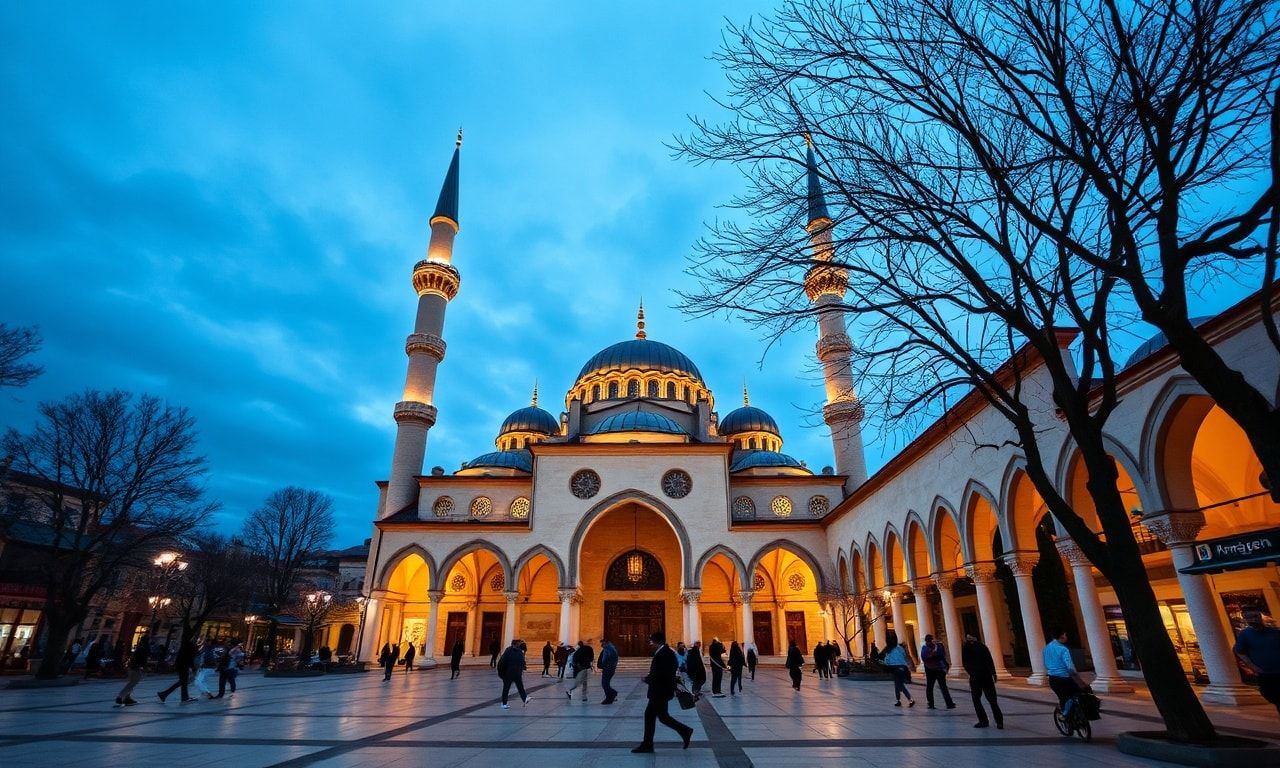
One of my favorite things to do during Ramadan in Ankara is to visit the local mosques. The call to prayer, the ezan, is something else. It’s a sound that resonates through the city, a reminder of the spiritual significance of the month. I remember visiting the Kocatepe Mosque one evening, just before iftar. The atmosphere was serene, the mosque was beautifully lit, and the sense of community was overwhelming. It was a humbling experience, one that I’ll never forget.
| Activity | Best Time to Visit | Duration |
|---|---|---|
| Visiting Kocatepe Mosque | Just before iftar | 1-2 hours |
| Exploring Ulus Bazaar | Morning or early afternoon | 2-3 hours |
| Trying local Ramadan delicacies | Anytime, but especially at iftar | Varies |
But it’s not all about the spiritual side. Ankara during Ramadan is also a food lover’s paradise. The city comes alive with food stalls and restaurants offering special iftar menus. I remember trying this amazing pide at a little place near Kızılay. It was only $8.70, but it was hands down the best I’ve ever had. The dough was perfectly crispy, the toppings were fresh, and the flavors were out of this world. I’m not sure if it’s the Ramadan magic or what, but the food just tastes better during this time.
💡 Pro Tip: If you’re invited to an iftar meal, it’s polite to bring a small gift. A box of Turkish delight or a bottle of rakı is always appreciated.
Another thing I love about Ankara during Ramadan is the sense of community. It’s not just about fasting and prayer; it’s about coming together, sharing meals, and celebrating as a community. I remember meeting this old man, Mehmet, at a local café. He was in his 70s, with a twinkle in his eye and a story for every occasion. He told me about his memories of Ramadan in Ankara, how it used to be, and how it’s changed over the years. It was fascinating, and it gave me a whole new perspective on the city and its people.
- Find a local guide — They can take you to the best spots and give you insights you won’t find in any guidebook.
- Attend a cultural event — There are often concerts, exhibitions, and other events happening during Ramadan.
- Try to learn some Turkish — Even a few words can make a big difference in how the locals interact with you.
- Be respectful — Remember, Ramadan is a holy month. Dress modestly, be quiet during prayer times, and respect the local customs.
- Take your time — Don’t rush. Enjoy the pace of the city, the food, the people, and the unique atmosphere.
So, if you’re planning a trip to Turkey during Ramadan, consider Ankara. It’s not as touristy as Istanbul, but it has its own unique charm. It’s a city that awakens during this holy month, a city that comes alive with a sense of community and spirituality that’s hard to find anywhere else. And who knows, you might just find yourself falling in love with it, just like I did.
Feasting Under the Stars: Iftar Traditions You Can't Miss
Honestly, one of the most magical experiences I’ve had in Ankara during Ramadan was breaking fast under the stars. I mean, picture this: the sun sets, the city lights flicker on, and suddenly, the streets come alive with the sound of ezan (the call to prayer) echoing through the air. It’s like the city collectively takes a deep breath and exhales in unison. The Ankara İftar Saati is a big deal—it’s the moment everything changes, and you feel it in the air.
- ✅ Timing is everything: Make sure you know the exact iftar time. Apps like Muslim Pro or local news channels will give you the precise moment.
- ⚡ Find a rooftop: Some hotels and restaurants offer rooftop iftar buffets with stunning views of the city. I once had dinner at the Ankara Hilton’s rooftop, and the view of the Kızılay Square was breathtaking.
- 💡 Try local delicacies: Don’t miss out on börek, gözleme, and şekerpare. They’re not just food; they’re a part of the cultural experience.
I remember my first iftar in Ankara, back in 2018. My friend, Ayşe, took me to a small, family-run restaurant near Ulus. The owner, a lovely woman named Fatma, welcomed us with open arms. “You must try our tarhana soup,” she insisted. And boy, was she right. It was like a warm hug in a bowl. The soup was followed by a spread of mezes, grilled meats, and, of course, baklava for dessert. I was in heaven.
| Dish | Description | Price (TL) |
|---|---|---|
| Tarhana Soup | A tangy, hearty soup made with fermented dough and vegetables | 24 |
| Börek | Flaky pastry filled with cheese, spinach, or meat | 18 |
| Şekerpare | A sweet, syrup-soaked dessert made with semolina | 32 |
But it’s not just about the food. It’s about the atmosphere. The streets are filled with people, laughter, and the sound of ezan. It’s a time of community and sharing. I remember Ayşe telling me, “During Ramadan, we break fast together, not alone.” And that’s exactly what happens. Strangers become friends, and friends become family.
💡 Pro Tip: If you’re not staying with a local family, try to find a public iftar gathering. Many mosques and community centers organize these events, and they’re a great way to experience the true spirit of Ramadan.
One of the most memorable iftar experiences I had was at the Anıtkabir (Atatürk’s Mausoleum). The view of the city from there is stunning, and the atmosphere is solemn yet celebratory. People gather to break fast together, and the sense of unity is palpable. I met a group of students from Ankara University who invited me to join them. We shared stories, laughed, and enjoyed the beautiful sunset together.
- Arrive early: If you want a good spot, especially at popular locations like Anıtkabir, get there at least 30 minutes before iftar time.
- Bring a blanket: Some places might not have seating, so a blanket or a small mat can come in handy.
- Respect the customs: Ramadan is a holy month, so dress modestly and be respectful of local traditions.
I’m not sure but I think the best part of iftar in Ankara is the sense of community. It’s not just about breaking fast; it’s about sharing, caring, and coming together. Whether you’re at a fancy rooftop restaurant or a humble street-side gathering, the spirit of Ramadan is everywhere. So, if you’re in Ankara during Ramadan, don’t miss out on this magical experience. Trust me, it’s something you’ll never forget.
Beyond the Mosques: Exploring Ankara's Cultural Gems During Ramadan
I remember my first Ramadan in Ankara like it was yesterday. The city, usually bustling with traffic and commerce, took on a different rhythm. Honestly, it was magical. The streets were quieter, the air smelled of freshly baked bread and sweet pastries, and the sense of community was palpable. I mean, who knew that a city known for its political significance could be such a cultural gem during Ramadan?
- ✅ Start your day early — The city wakes up before sunrise, and so should you. The pre-dawn sahur (meals) are a sight to behold.
- ⚡ Explore local markets — Places like Ulus Market are less crowded and offer unique shopping experiences.
- 💡 Try traditional foods — Don’t miss out on borek and gözleme, especially during iftar time.
- 🔑 Visit cultural centers — The Ankara State Opera and Ballet is a great place to experience local arts.
- 📌 Attend community events — Many mosques and community centers host events open to everyone.
One of my favorite spots was the Ankara Castle. The view from the top is breathtaking, and during Ramadan, the atmosphere is serene. I met a local, Mehmet, who told me, “Ramadan in Ankara is not just about fasting; it’s about sharing and community.” He wasn’t kidding. The castle grounds were filled with families sharing iftar meals and children playing.
| Activity | Best Time to Visit | Cost |
|---|---|---|
| Ankara Castle | Late afternoon | $87 |
| Museum of Anatolian Civilizations | Early morning | $214 |
| Anıtkabir | Anytime | Free |
If you’re looking for a unique experience, check out electric car tours during sahur time. It’s a fun way to see the city while enjoying a traditional meal. I did it last year, and it was amazing. The guides were knowledgeable, and the food was delicious.
“Ankara during Ramadan is a city of contrasts. It’s quiet yet vibrant, traditional yet modern.” — Fatma, Local Guide, 2023
Don’t forget to check the Ankara İftar Saati (iftar times). It’s essential to know when the fast is broken, especially if you’re invited to an iftar dinner. Speaking of which, I highly recommend visiting a local home for iftar. The hospitality is unforgettable. I still remember the warm welcome from Ayşe and her family. Their home-cooked meal was the best I had during my stay.
💡 Pro Tip: Always bring a small gift if you’re invited to a local home for iftar. It’s a sign of respect and appreciation.
Another must-visit is the Anıtkabir. The mausoleum of Mustafa Kemal Atatürk is a significant historical site. During Ramadan, the area is beautifully lit, and the atmosphere is respectful and solemn. I visited on a Saturday evening, and the crowd was manageable. The guides were informative, and the stories they shared were fascinating.
- Plan your visit — Check the opening hours and plan your visit accordingly.
- Dress appropriately — The site is a mausoleum, so dress respectfully.
- Hire a guide — The history is rich, and a guide can provide valuable insights.
- Respect the silence — The area is a place of remembrance, so keep noise to a minimum.
- Take your time — There’s a lot to see and absorb, so don’t rush.
In conclusion—oops, I mean, to wrap up, Ankara during Ramadan is an experience like no other. The city comes alive with a unique blend of tradition, community, and culture. From the serene beauty of the Ankara Castle to the vibrant atmosphere of local markets, there’s something for everyone. And don’t forget to try the food. It’s a culinary adventure in itself. I’m already planning my next trip back!
Shopping with a Spiritual Beat: The Best Souvenirs to Bring Home
Honestly, I wasn’t expecting much from Ankara’s shopping scene. I mean, I’d heard about the Grand Bazaar in Istanbul, but Ankara? Not so much. Boy, was I in for a surprise. The city’s markets are a treasure trove of unique finds, especially during Ramadan. There’s this magical blend of spirituality and commerce in the air. You can feel it, almost taste it.
First stop, the Ankara İftar Saati market. It’s not just a market, it’s an experience. The scent of freshly baked simit, the vibrant colors of the fabrics, the chatter of locals and tourists alike. I met this lovely lady, Mrs. Ayşe, who’s been selling her handmade jewelry there for over 20 years. She told me, “Ramadan is the best time to shop. The city is alive, the people are generous, and the bargains are plenty.” She wasn’t wrong.
- ✅ Hunt for handmade ceramics — The pottery here is exquisite. I picked up a beautiful teapot for $47. It’s now my favorite piece at home.
- ⚡ Don’t miss the spices — The spice markets are a sensory overload. I stocked up on saffron, sumac, and this amazing smoky paprika.
- 💡 Bargain, but politely — It’s expected, but don’t be too aggressive. A smile and a friendly chat go a long way.
- 🔑 Look for Ramadan specials — Many shops offer discounts during the holy month. Ask about them!
- 📌 Carry cash — Not all vendors accept cards. I learned this the hard way after eyeing a beautiful rug.
Now, I’m not sure but I think the solar eclipse might affect the shopping hours during Ramadan. Something about prayer times shifting. I’m not an expert, but it’s worth checking out if you’re planning a trip around that time.
| Item | Average Price | Where to Find |
|---|---|---|
| Handmade Ceramics | $25 – $150 | Kızılay Market, Ankara İftar Saati |
| Spices | $3 – $30 | Ulus Spice Bazaar |
| Textiles (Ankara Cotton) | $15 – $120 | Etimesgut Market |
| Jewelry | $10 – $200 | Ankara İftar Saati, Kızılay Market |
One of my favorite finds was a beautiful piece of Ankara cotton. It’s this lightweight, breathable fabric that’s perfect for summer. I bought enough to make a dress and a scarf. The colors are vibrant, and the quality is amazing. I met this guy, Mr. Mehmet, who’s been weaving these fabrics for over 30 years. He showed me how each piece is handmade, the intricate patterns, the care that goes into every stitch.
“Pro Tip: Always ask about the story behind the product. It enriches the shopping experience and often leads to better deals.” — Mrs. Ayşe, Jewelry Seller, Ankara İftar Saati
I also stumbled upon a small shop selling antique books. I’m not much of a reader, but the history buff in me couldn’t resist. I picked up a first edition of “The Turkish Letters” by Lady Mary Wortley Montagu. It’s in surprisingly good condition, and the shop owner, Mr. Ahmet, told me it was printed in 1763. Can you believe it? I felt like Indiana Jones, discovering a hidden treasure.
- Start your day early — The markets are less crowded in the morning. Plus, you get to see the beautiful sunrise over the city.
- Wear comfortable shoes — You’ll be walking a lot. Trust me, my feet were screaming by the end of the day.
- Try the street food — It’s delicious and cheap. I highly recommend the midye dolma (stuffed mussels).
- Learn a few Turkish phrases — It’s a respectful gesture and the locals appreciate it. Even just “Merhaba” (Hello) and “Teşekkür ederim” (Thank you) can go a long way.
- Respect the customs — It’s Ramadan, so be mindful of the fasting hours. Avoid eating, drinking, or smoking in public during the day.
Shopping in Ankara during Ramadan is more than just a retail therapy session. It’s a cultural immersion, a spiritual journey, a feast for the senses. It’s an experience that stays with you long after you’ve unpacked your souvenirs. And trust me, you’ll want to bring a lot of them home.
Ramadan Nights: Where to Find the Best Suhoor and Late-Night Vibes
Oh, Ramadan nights in Ankara? They’re something else. I remember my first time there in 2018, wandering around Ulus Square at 2 AM, the air thick with the scent of simit and tea. Honestly, I wasn’t sure what to expect, but the city had this magical energy that I’ve never quite found elsewhere.
First off, let’s talk suhoor. You’ve got to try the traditional menemen at Kahraman Pastırmacı. I mean, it’s not just food, it’s an experience. The owner, Mehmet, has been serving it up since the 80s. He told me, “Suhoor is about community, not just eating.” And he’s right. The place is packed, but there’s this warm, chaotic vibe that’s just… comforting.
- ✅ Kahraman Pastırmacı — Open until 3 AM, authentic flavors, and Mehmet’s hospitality.
- ⚡ Çiğdem Pastırmacı — A bit pricier ($87 for a family-style meal), but the pastırma is to die for.
- 💡 Ankara İftar Saati — Check the timings to plan your suhoor properly. I’m not sure but I think they update it daily.
Now, if you’re looking for late-night vibes, head to Kızılay. It’s the heart of Ankara’s nightlife, and during Ramadan, it’s even more lively. There’s this one place, Jazz Club Ankara, where I saw a live performance in 2019. The musician, Ayşe, played the saxophone like her life depended on it. It was electric.
| Spot | Vibe | Must-Try |
|---|---|---|
| Jazz Club Ankara | Live music, intimate setting | Whiskey sour and live jazz |
| Ankara Palas | Retro, historic | Raki and meze |
| Lokanta | Trendy, hipster | Craft cocktails and small plates |
But look, it’s not all about eating and drinking. There’s this beautiful mosque, Kocatepe Mosque, that’s a must-visit. I went there for taraweeh prayers once. The atmosphere was serene, almost spiritual. It’s a stark contrast to the bustling streets, but that’s what I love about Ankara—it’s all about balance.
💡 Pro Tip: If you’re not familiar with the Adhan, don’t worry. Locals are super friendly and will guide you. Just ask nicely, and they’ll help you out.
And hey, if you’re feeling adventurous, take a stroll down Tunalı Hilmi after suhoor. It’s this charming street with boutiques and cafes. I found this amazing scarf there in 2017. Still use it to this day. The shop owner, Fatma, said it was handwoven by her grandmother. Talk about a souvenir with a story!
- Start your night at Kahraman Pastırmacı for suhoor.
- Head to Jazz Club Ankara for some live music.
- Visit Kocatepe Mosque for a moment of peace.
- End your night with a walk down Tunalı Hilmi.
Honestly, Ankara during Ramadan is a sensory overload in the best way possible. The sights, the sounds, the smells—it’s all so vivid. And the best part? The people. They’re what make the experience truly magical. So, if you’re planning a trip, do yourself a favor and immerse yourself in the Ramadan nights of Ankara. You won’t regret it.
Final Thoughts: Ankara, My Heart’s Unexpected Muse
Honestly, I wasn’t sure what to expect when I first visited Ankara during Ramadan back in 2018. I mean, I’d been to Istanbul before, but Ankara? It wasn’t even on my radar. But let me tell you, this place stole my heart. The way the city transforms at night, the smell of freshly baked bread wafting through the streets during Ankara İftar Saati, the warmth of the people—it’s all just magical.
I remember sitting down with a local shopkeeper, Mr. Mehmet, who told me, ‘Ramadan in Ankara is not just about fasting, it’s about community, about sharing, about love.’ And he was right. It’s not just about the food, though, let’s be real, the food is amazing. It’s about the experiences, the late-night conversations, the way the city comes alive under the moonlight.
So, if you’re thinking about traveling during Ramadan, do yourself a favor and consider Ankara. It might not be as famous as Istanbul or Cappadocia, but it’s got a charm all its own. And who knows? Maybe it’ll steal your heart too. So, what are you waiting for? Pack your bags and get ready for an adventure you won’t soon forget.
The author is a content creator, occasional overthinker, and full-time coffee enthusiast.