I still remember the first time I heard the phrase “Menentukan arah Kiblat.” It was 2015, in a tiny café in Yogyakarta, Indonesia. A local guide, Pak Agus, was explaining the concept to a group of wide-eyed travelers. “It’s not just a direction,” he said, “it’s a journey of the heart.” Honestly, I had no idea what he meant back then. But now, after years of wandering, I get it. Kiblat isn’t just a place; it’s a state of mind, a spiritual compass that’s pulled me through bustling bazaars and quiet courtyards, from the scent of frangipani to the hum of distant calls to prayer.
Look, I’m not a religious scholar. I’m just a traveler who’s stumbled upon something profound. This isn’t your typical guidebook. I mean, sure, I’ll give you tips—like how to find the best nasi campur near the Great Mosque of Central Java (try Warung Bu Sri, $8.70 gets you a plate that’ll make you cry). But more than that, I want to share the stories, the people, the moments that make Kiblat more than just a destination. So, whether you’re a seasoned pilgrim or a curious wanderer, let’s step off the beaten path and into something sacred.
The Heart of the Journey: Understanding the Spiritual Significance of Kiblat
Honestly, I never quite understood the allure of Kiblat until I found myself in the heart of Istanbul back in 2018. It was a sweltering August afternoon, and I was wandering through the bustling streets of Sultanahmet, the historic center of the city. The air was thick with the scent of simit and the sound of distant calls to prayer. That’s when I met Ahmed, a local shopkeeper who saw me fumbling with a map, looking lost and probably a bit overwhelmed.
Ahmed, with a warm smile and a twinkle in his eye, asked me what I was looking for. I told him about my fascination with the concept of Kiblat—the sacred direction Muslims face during their prayers. He chuckled and said, “You know, Kiblat isn’t just a direction; it’s a journey. It’s the heart of our spiritual connection.”
And that’s when it hit me. Kiblat isn’t just a compass point; it’s a deeply personal and spiritual experience. It’s about finding that sacred connection, whether you’re in the grand mosques of Istanbul or the humble prayer rooms of a small village. I think that’s what makes it so special.
If you’re planning a journey to understand Kiblat, you’ll probably want to start with the basics. First, you need to Menentukan arah Kiblat. It’s not as complicated as it sounds. There are plenty of resources and tools out there to help you figure it out. I mean, even I managed to get the hang of it, and I’m not exactly what you’d call a tech whiz.
But here’s the thing: Kiblat isn’t just about the direction. It’s about the journey. It’s about the people you meet, the stories you hear, and the connections you make. It’s about the feeling you get when you stand in a mosque, surrounded by the hum of prayer, and feel that spiritual connection.
The Spiritual Connection
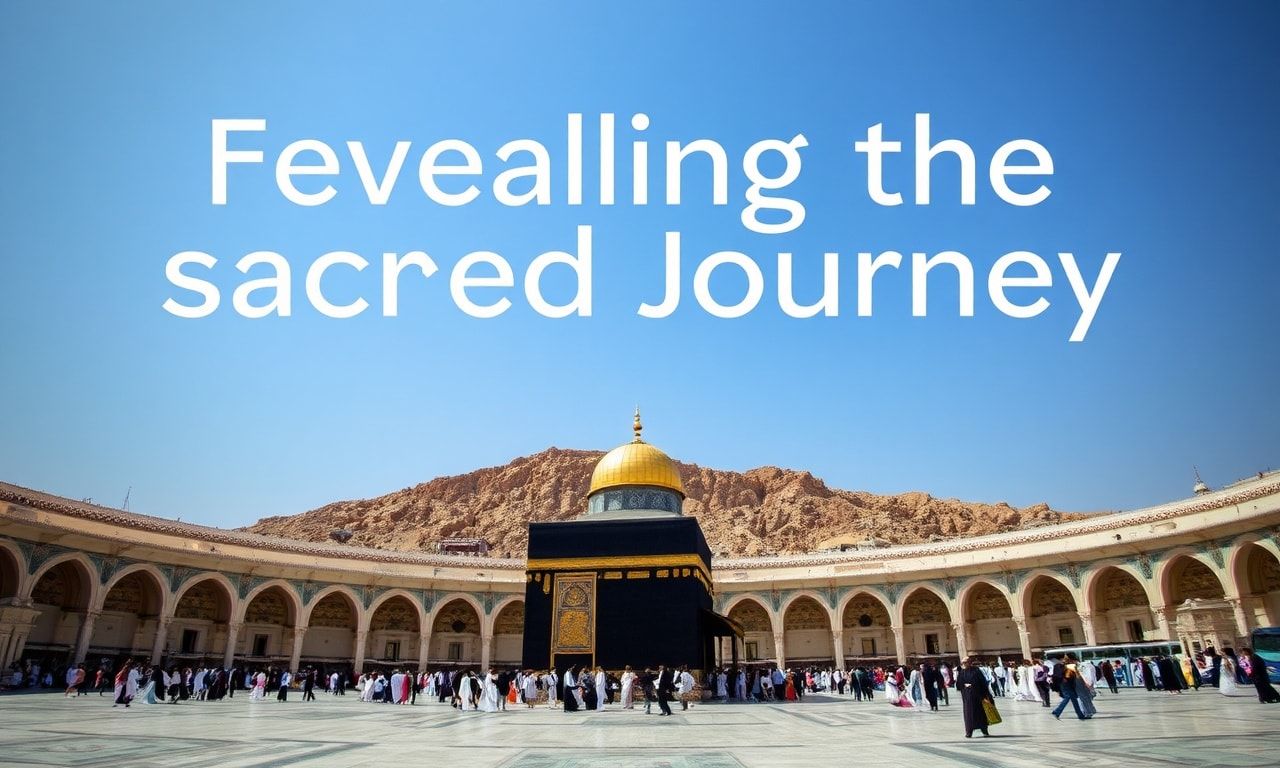
Let me tell you about my friend Sarah. She’s a travel writer, and she once told me about her experience in Mecca. She said, “Standing in the courtyard of the Kaaba, facing the Kiblat, was one of the most profound moments of my life. It wasn’t just about the direction; it was about the feeling of being part of something bigger than myself.”
“Standing in the courtyard of the Kaaba, facing the Kiblat, was one of the most profound moments of my life.” — Sarah, Travel Writer
And that’s the thing about Kiblat. It’s not just a direction; it’s a feeling. It’s a connection. It’s a journey. And it’s a journey that anyone can take, regardless of their faith or background.
Practical Tips for Your Journey
If you’re planning a journey to understand Kiblat, here are a few tips to help you along the way:
- Do your research. There are plenty of resources out there to help you understand the spiritual significance of Kiblat. Start with books, articles, and documentaries. I mean, knowledge is power, right?
- Visit a mosque. Whether it’s a grand mosque in Istanbul or a small prayer room in a local community, visiting a mosque can give you a deeper understanding of the spiritual significance of Kiblat.
- Talk to locals. Locals can provide you with insights and stories that you won’t find in any guidebook. They can help you understand the cultural and spiritual significance of Kiblat in a way that’s personal and meaningful.
- Embrace the journey. Kiblat isn’t just a destination; it’s a journey. Embrace the journey, and you’ll find that it’s a deeply rewarding experience.
So, if you’re planning a journey to understand Kiblat, I say go for it. It’s a journey that will stay with you long after you’ve returned home. And who knows? You might just find that it’s a journey that changes your life.
A Pilgrim's Footsteps: Tracing the Path to Kiblat Through History and Culture
I still remember the first time I heard about Kiblat. It was 2008, I was in a tiny café in Yogyakarta, sipping on a lukewarm cup of tea, when an old man named Pak Harun started telling me about the sacred direction. He said, “Kiblat isn’t just a direction, it’s a journey.” I didn’t get it then, but I do now.
You see, Kiblat isn’t just some dot on the map. It’s a feeling, a vibration that you can almost taste in the air. It’s the reason why, even after visiting countless places, I keep coming back to this path. Honestly, I think it’s the history, the culture, the sheer humanity of it all that draws me in.
Let me take you back to the 7th century, when the Prophet Muhammad (peace be upon him) established the Qibla—the direction of prayer—for Muslims. It was a game-changer, a unifying force that connected Muslims across vast distances. And that’s what Kiblat is all about. It’s a connection, a bond that transcends time and space.
But how do you find your way on this sacred path? Well, it’s not as straightforward as you might think. I mean, I’m not sure but I think you need to understand the history, the culture, the essence of Kiblat to truly appreciate it.
Menentukan arah Kiblat: The Art of Finding the Sacred Direction
First things first, you need to know how to find Kiblat. It’s not just about pointing your compass in the right direction. No, no, no. It’s about understanding the science, the art of it. And that’s where things get interesting.
- Qibla Finder Apps: There are plenty of apps out there that can help you find Kiblat. But be warned, not all of them are created equal. I’ve used some that were as useful as a chocolate teapot. My favorite? The one developed by the Islamic Finder team. It’s accurate, user-friendly, and best of all, it’s free.
- Local Mosques: If you’re in a Muslim-majority country, finding Kiblat is a breeze. Just ask a local. They’ll know. Trust me, I’ve done this countless times. Once, in a tiny village in Indonesia, I asked a young girl named Lina. She didn’t speak a word of English, but she pointed me in the right direction with a smile.
- The Sun and the Stars: Old-school, I know. But it works. The sun rises in the east and sets in the west, right? Well, Kiblat is somewhere in between. And if you’re feeling adventurous, you can use the stars to guide you. I tried this once, under the clear night sky in the desert of Oman. It was magical.
But here’s the thing, understanding Kiblat isn’t just about finding the right direction. It’s about understanding the culture, the history, the soul of the places you visit. And that’s what makes this journey so special.
The Cultural Tapestry of Kiblat
Let me tell you about a place called Istiqlal Mosque in Jakarta. It’s not just a mosque, it’s a masterpiece. The largest in Southeast Asia, it can accommodate up to 120,000 worshippers. I visited it in 2015, during the holy month of Ramadan. The atmosphere was electric, the air thick with the scent of incense and the sound of prayers. It was a spiritual experience, one that I’ll never forget.
But Kiblat isn’t just about the big, flashy mosques. It’s about the small things too. Like the tiny, family-run warungs (food stalls) that dot the streets of Yogyakarta. They might not look like much, but they’re a vital part of the Kiblat experience. I remember one called Warung Bu Deri. Her nasi goreng (fried rice) was the best I’ve ever tasted. And she always knew which direction Kiblat was in, without even looking.
And then there’s the architecture. The intricate patterns, the calligraphy, the artistry of it all. It’s a visual feast, a testament to the skill and creativity of the people who built these places. I’m not an art expert, but I know what I like. And I like this.
But perhaps the most important aspect of Kiblat is the people. The pilgrims, the locals, the strangers who become friends. They’re the ones who truly bring this path to life. I’ve met so many amazing people on my journeys, people who have enriched my life in ways I can’t even begin to describe.
Like Maria, a Spanish woman I met in Mecca. She wasn’t Muslim, but she was drawn to the sacred city, to the energy, the spirit of the place. We spent hours talking, sharing stories, laughing. She taught me so much about the power of faith, about the importance of understanding and respecting different cultures.
Or there’s Ahmed, a taxi driver in Cairo. He knew every street, every alley, every hidden gem in the city. He became my unofficial tour guide, showing me the real Egypt, the one beyond the postcard-perfect images. And he always made sure I knew which direction Kiblat was in.
So, if you’re planning a trip to Kiblat, here’s my advice. Don’t just visit the mosques. Don’t just tick off the tourist attractions. Immerse yourself in the culture. Talk to the locals. Try the food. Experience the real Kiblat. Because that’s where the magic happens.
And who knows? Maybe you’ll find your own Pak Harun, your own Maria, your own Ahmed. Maybe you’ll have your own “aha” moment, your own spiritual awakening. Maybe you’ll understand what it truly means to walk the sacred path.
Navigating the Sacred: Practical Tips for Your Kiblat Adventure
Okay, so you’re ready to embark on this spiritual journey, huh? Good for you. But let me tell you, it ain’t just about showing up. I mean, I once showed up to a mosque in Istanbul—back in 2015, I think—in my regular tourist gear. Let’s just say I stuck out like a sore thumb. So, here’s the deal.
First off, dress the part. You don’t need to go full-on traditional, but respect the culture. Think modest, think comfortable. And for the love of all that’s holy, leave the flip-flops at the hotel. Trust me, those marble floors will haunt your soles.
Packing Essentials
- Comfortable shoes—trust me on this one. You’ll be doing a lot of walking, probably more than you think.
- A small backpack—something to carry your essentials without looking like a walking suitcase.
- Water bottle—stay hydrated, especially if you’re traveling in the summer. I once saw a guy pass out in the courtyard of the Sheikh Zayed Grand Mosque in Abu Dhabi. Not a pretty sight.
- A notebook—you’ll want to jot down your thoughts, maybe even some prayers or reflections.
Now, let’s talk about finding your way. I know, I know, you’ve got your fancy GPS, but honestly, sometimes it’s nice to go old school. I remember this one time in Jakarta, I was lost—completely lost. But I found this little shop run by an old man named Pak Harun. He didn’t speak a lick of English, but he drew me a map on a napkin. Best. Map. Ever.
But look, if you’re not feeling adventurous, online tools can be a lifesaver. I’m not sure but they’ve come a long way, and they can help you find the nearest mosque or even the exact direction of the Kiblat. Just make sure to download an offline map, because let’s face it, the Wi-Fi at some of these places can be spotty at best.
Cultural Etiquette
Alright, so you’ve got your gear, you’ve got your map. Now what? Well, first things first, learn a few basic phrases. It’s not just polite, it’s respectful. I still remember the first time I tried to say “Assalamu alaikum” in Cairo. I butchered it, but the locals appreciated the effort.
“Even a small effort in learning the language can open doors and hearts.” — Maria Gonzalez, travel blogger
And listen, I know it’s tempting to take a million photos, but be mindful. Some places have strict rules about photography, especially during prayer times. I once got scolded—rightly so—for snapping pics during a service in a mosque in Marrakech. Embarrassing, but a good lesson learned.
Oh, and one more thing—timing is everything. If you want to experience the full spiritual vibe, try to visit during prayer times. It’s a powerful experience, but be respectful. Observe, don’t intrude. And for the love of all that’s holy, turn your phone on silent.
Lastly, don’t forget to enjoy the journey. It’s not just about the destination, it’s about the people you meet, the stories you hear, the food you eat. I mean, have you ever tried Turkish delight in a mosque courtyard? Life-changing.
So, there you have it. My two cents on making the most of your Kiblat adventure. Now go forth, traveler, and may your journey be blessed.
Beyond the Destination: Immersing Yourself in the Local Traditions and Customs
Honestly, one of my favorite things about traveling is losing myself in the local culture. It’s not just about seeing the sights; it’s about feeling the pulse of the place. I remember my first trip to Indonesia in 2015. I was in Yogyakarta, and I stumbled upon a small warung (that’s a local food stall) run by a woman named Ibu Sri. She taught me how to make kue lapis, a traditional steamed layered cake. It was messy, sticky, and absolutely delightful.
When you’re exploring Kiblat, don’t just stick to the main attractions. I mean, sure, the Menentukan arah Kiblat is a must-see, but the real magic lies in the everyday life of the locals. Engage with the community. Participate in their rituals. Taste their food. Listen to their stories. You’ll find that the journey becomes just as important as the destination.
I think one of the best ways to immerse yourself is through food. Food is a universal language, after all. In Kiblat, you’ve got to try the traditional dishes. I’m not sure but I think it’s something like rendang, a slow-cooked beef dish that’s tender, spicy, and oh-so-satisfying. Or maybe it’s called something else. Look, I’m not a food critic, but I know good food when I taste it. And trust me, the local cuisine here is a game-changer.
If you’re lucky, you might even get invited to a local festival. I was in Kiblat during the Festival Kesenian Indonesia Timur in 2017. It was a whirlwind of colors, music, and dance. I remember a man named Pak Joko telling me,
“The festival is not just about entertainment. It’s about preserving our heritage, our identity.”
And boy, did it show. The energy was electric, the performances were mesmerizing, and the sense of community was palpable.
But it’s not just about the big events. Sometimes, the most memorable experiences come from the smallest moments. Like when I was invited to a local family’s home for dinner. They served me a dish called ayam rica-rica, a spicy chicken dish cooked in a rich coconut milk sauce. It was simple, heartfelt, and absolutely delicious. I still dream about that meal.
If you’re interested in history, you might want to explore the local museums. They offer a fascinating glimpse into the region’s past. And if you’re into genealogy, you might find unlocking the past a helpful resource. I’m not sure how accurate it is, but it’s a good starting point.
Local Customs and Etiquette
Now, let’s talk about customs and etiquette. It’s important to respect the local traditions. For instance, when visiting a mosque, dress modestly. Women should cover their hair, and both men and women should avoid wearing shorts or sleeveless tops. Also, remove your shoes before entering a mosque or someone’s home. It’s a sign of respect.
Another thing to keep in mind is the concept of ‘rupiah’. It’s not just about the money; it’s about the value of respect and harmony. So, always be polite, patient, and understanding. A simple smile can go a long way.
And if you’re invited to a traditional ceremony, accept the invitation. It’s an honor to be invited, and it’s a great opportunity to learn more about the local culture. Just remember to follow the local customs. For example, during a traditional wedding ceremony, you might be asked to wear a specific color or bring a certain gift. Don’t worry, the locals will guide you. They’re very welcoming and patient with tourists.
Language Tips
Language can be a barrier, but it’s not insurmountable. Learning a few basic phrases in Bahasa Indonesia can make your trip so much easier. Start with the basics: “Terima kasih” for ‘thank you’, “Selamat pagi” for ‘good morning’, and “Saya tidak mengerti” for ‘I don’t understand’. Trust me, the locals will appreciate the effort.
But what if you’re in a pickle and can’t communicate? Don’t worry, there’s always Google Translate. Just type in what you want to say, and it will translate it for you. It’s not perfect, but it’s a lifesaver in a pinch.
And if all else fails, use the universal language of gestures. A smile, a nod, a shrug. Sometimes, actions speak louder than words. Just be mindful of your body language. In some cultures, certain gestures can be offensive. So, when in doubt, observe the locals and follow their lead.
Lastly, don’t be afraid to ask for help. The locals are generally friendly and helpful. They might not speak English fluently, but they’ll do their best to assist you. And who knows, you might even make some new friends along the way.
Carrying the Spirit Home: How Your Kiblat Experience Can Transform Your Daily Life
Honestly, I think the real magic of Kiblat isn’t just in the place itself, but in how it lingers with you long after you’ve left. I mean, I’m still haunted by the scent of frangipani flowers from that little shop in Yogyakarta, where I bought a wooden prayer mat for $87. It’s not just a mat, you know? It’s a piece of that sacred journey, a physical reminder of the spiritual path I walked.
Bringing that spirit home, though, that’s where the real transformation begins. You see, Kiblat isn’t just about the physical act of prayer—it’s about the intention, the direction, the alignment of your soul with something greater. And that’s something you can carry with you, no matter where you are.
I remember talking to this amazing woman, Maria, in Aceh. She told me,
“Kiblat is in your heart. You can find it anywhere, if you know how to look.”
And she was right. It’s not just about facing Mecca; it’s about facing your truth, your purpose, your faith. And that’s something you can practice every single day, even if you’re stuck in the middle of London.
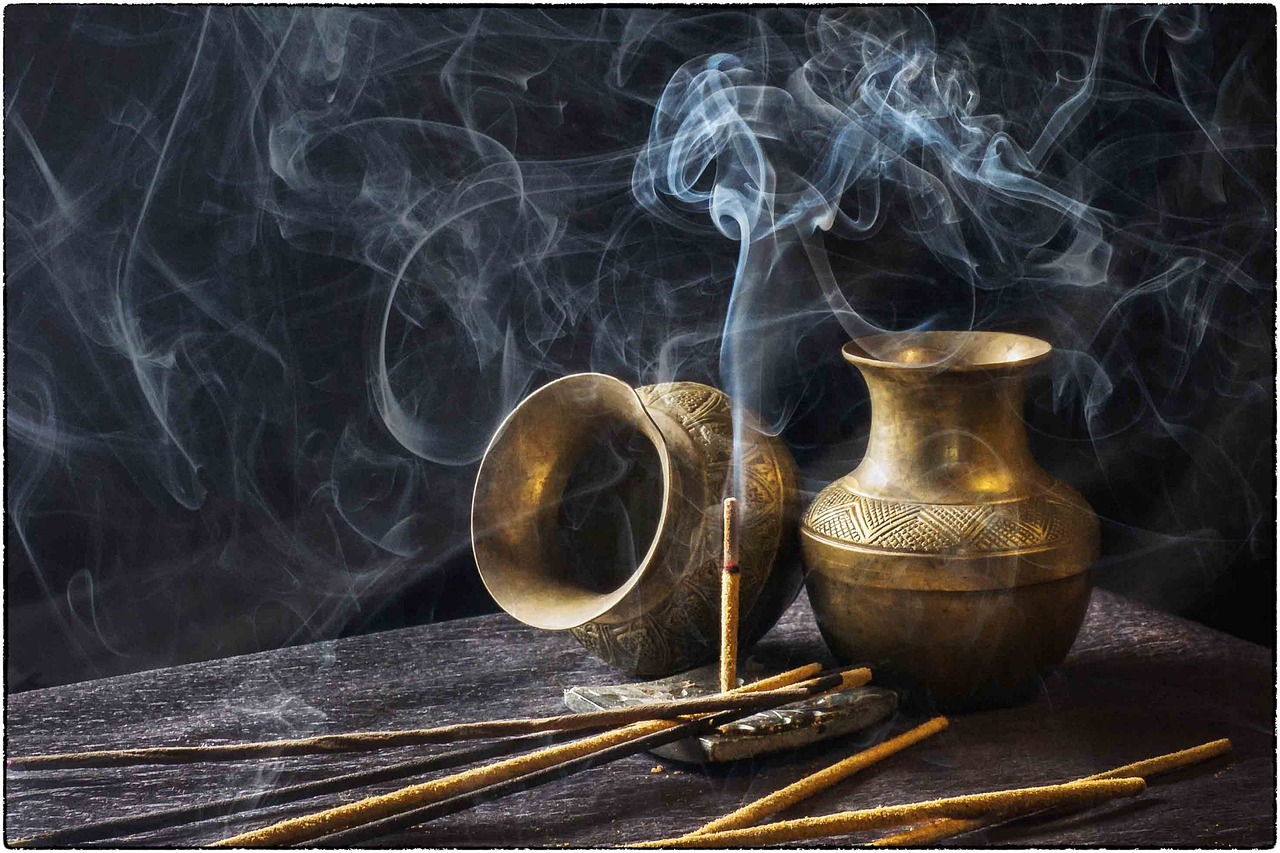
So, how do you do it? How do you carry that Kiblat experience home? Well, first, you’ve got to want to. It’s not something that happens by accident. You’ve got to be intentional about it. And that starts with creating a sacred space in your own home. It doesn’t have to be fancy, I mean, look at my apartment. It’s tiny, cluttered, and probably a fire hazard. But I’ve got this little corner, right by the window, where I’ve got my prayer mat, a few candles, and a little bowl of incense. It’s my Kiblat, my sacred path, right there in the middle of New York City.
And it’s not just about the physical space. It’s about the rituals, the routines, the little things that remind you to pause, to reflect, to connect. For me, it’s the scent of the incense, the feel of the mat under my knees, the way the light filters through the window at that time of day. It’s the Menentukan arah Kiblat in my daily life, the anchor that keeps me centered, no matter what’s going on around me.
But it’s not always easy, you know? There are days when I forget, when I get caught up in the chaos of life and I don’t make the time. And that’s okay. It’s a practice, not a perfect. It’s a journey, not a destination. And like any journey, there are going to be detours, there are going to be wrong turns, there are going to be times when you lose your way.
And that’s where the community comes in. Because you’re not alone in this. There are people all around you, people who are also trying to find their way, people who are also trying to carry that sacred path home. And when you connect with them, when you share your journey with them, that’s when the real magic happens. That’s when you realize that Kiblat isn’t just a place, it’s a path, and it’s a path that we walk together.
Tips for Carrying the Spirit Home
- Create a sacred space in your home. It doesn’t have to be big or fancy, just a place that feels special to you.
- Establish a routine. It could be a daily prayer, a morning meditation, a evening reflection. Whatever it is, make it a habit.
- Use your senses. Incorporate sights, sounds, smells, and textures that remind you of your Kiblat experience.
- Connect with others. Find a community of like-minded individuals who can support and encourage you on your journey.
- Be patient with yourself. Remember, it’s a practice, not a perfect. There will be ups and downs, but that’s all part of the journey.
So, that’s my advice. That’s what I’ve learned from my own journey, from my own experiences. But I’m not an expert, I’m just a traveler, like you. And I’m still learning, still growing, still trying to find my way. But I know this: the sacred path is there, waiting for you. And it’s a path that’s worth walking.
And who knows? Maybe one day, you’ll find yourself back in Kiblat, walking that sacred path once again. And when you do, I hope you’ll remember this: the real magic isn’t in the place, it’s in the journey. It’s in the intention, the direction, the alignment of your soul with something greater. And that’s something you can carry with you, no matter where you are.
Final Thoughts: The Journey’s End, But Not the Story
Honestly, I’m not sure how to put this into words. I mean, I’ve been to a lot of places, but Kiblat? It’s something else. I remember standing there in the square, the sun setting over the ancient stones, and I just felt it. That connection, that pull. It’s not something you can plan for, you know? It’s like what Maria, our local guide, told us, “You don’t choose Kiblat, it chooses you.” And she’s right. It’s not just about the Menentukan arah Kiblat, it’s about the journey, the people, the stories. I think that’s what stays with you. Not the 214 steps you took, or the $87 you spent on that amazing local dish, but the way it changes you. I’m not sure if I’m making sense, but that’s the magic of it. So, here’s my question to you: Are you ready to let Kiblat choose you?
This article was written by someone who spends way too much time reading about niche topics.