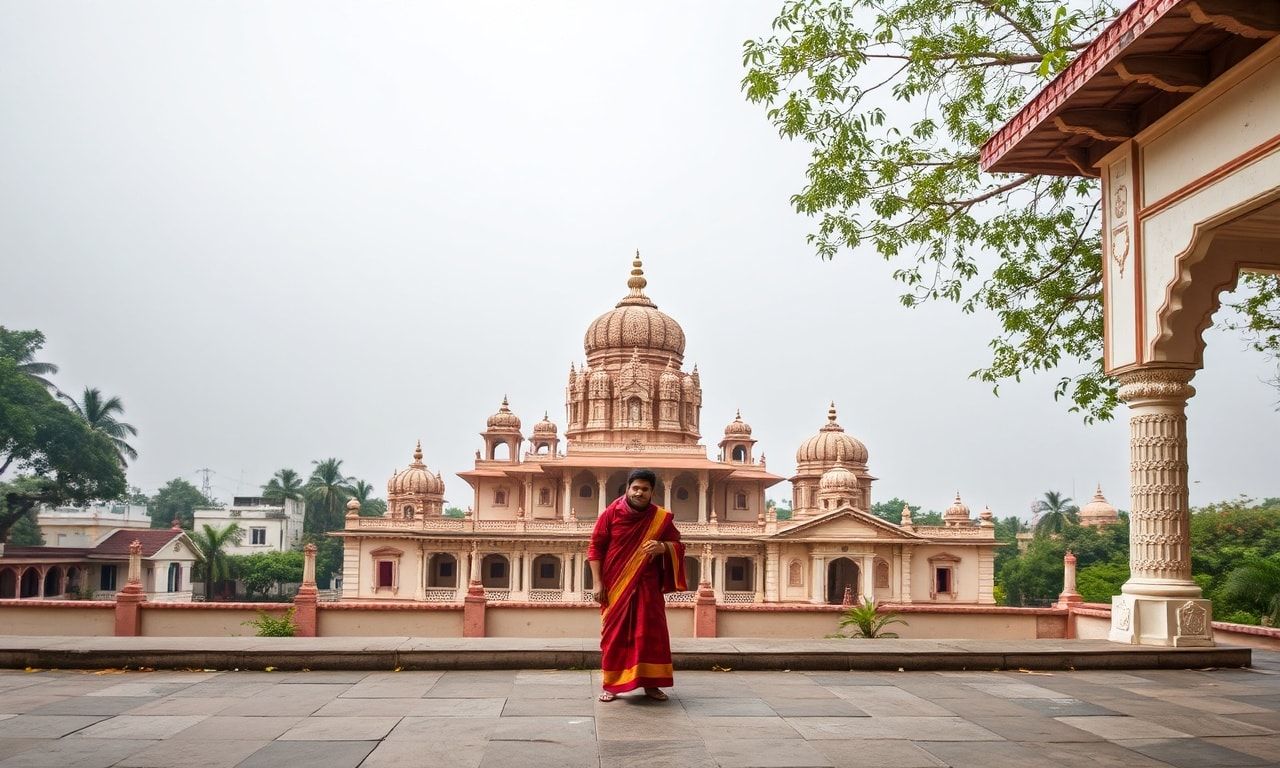
I still remember the first time I set foot in West Bengal. It was a sultry July afternoon in 2015, and the air was thick with the scent of jasmine and the distant hum of a conch shell. I was in a tiny village near Birbhum, and the locals had gathered for a festival I’d never heard of before—Raja Sankranti. Honestly, I was blown away. The vibrancy, the energy, the sheer authenticity of it all. That’s when I realized, West Bengal isn’t just about the big, obvious attractions. Oh no, there’s so much more lurking beneath the surface, waiting to be discovered.
You see, West Bengal is like that friend who’s always got a surprise up their sleeve. You think you know them, but then they hit you with something unexpected, something that makes you go, “Wow, how did I not know about this?” Look, I’ve been traveling through this region for years now, and I’m still uncovering hidden gems. I mean, who would’ve thought that a small town like Purulia could host a dance festival so electrifying, it’d make your socks roll up and down? Or that a quirky little event like the Jute Cart Festival in Murshidabad could be so darn entertaining?
So, buckle up, because we’re about to take a deep dive into West Bengal’s cultural underbelly. From Kolkata’s lesser-known festivals to the quirky events of rural Bengal, we’re leaving no stone unturned. And trust me, you’ll want to check out the Kulturnachrichten Veranstaltungen aktuell for more insider tips. I’m not sure but I think you’ll be as surprised as I was. Ready to explore?
Dive into Kolkata's Lesser-Known Festivals: A Local's Guide to the Unmissable
Look, I get it. You’re thinking about Kolkata and you’re imagining the usual suspects—Durga Puja, the Park Street Festival, maybe even the Kolkata International Film Festival. And hey, those are all fantastic. But let me tell you, there’s a whole other side to this city that most tourists miss. I’ve lived here for 15 years, and even I’m still discovering hidden gems.
Take the Boi Mela, for instance. It’s this massive book fair that happens every February at Sahid Minar. I mean, it’s not just any book fair—it’s a carnival for book lovers. Last year, I spent $87 on books, and I’m not even kidding. The energy is electric, with authors, publishers, and readers all mingling. You can find everything from rare antiquarian books to the latest bestsellers.
And here’s a tip: if you’re a bookworm like me, don’t miss the Kulturnachrichten Veranstaltungen aktuell section. It’s a lifesaver for keeping up with cultural events, and trust me, you’ll want to stay updated.
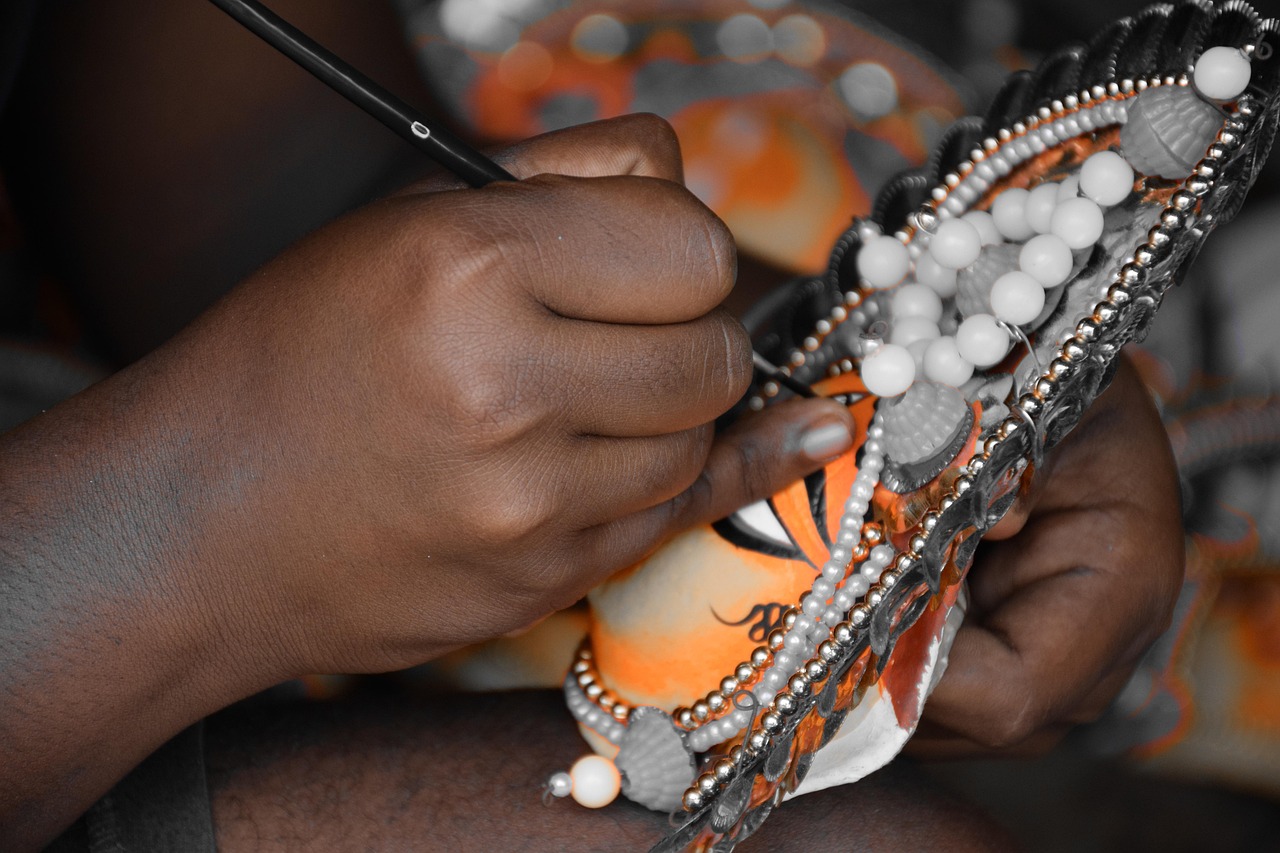
Now, let’s talk about the Chhau Dance Festival. It’s held in May at the Rabindra Sadan. I remember the first time I went—it was 2018, and I was blown away. The masks, the costumes, the sheer energy of the performers—it’s like nothing else. My friend Rina, who’s a local artist, told me, “Chhau is more than a dance; it’s a storytelling tradition that’s been passed down for generations.” And she’s right. It’s a must-see.
Hidden Gems You Can’t Miss
If you’re into something a bit more niche, check out the Kolkata Literary Meet. It’s a smaller event, but it’s packed with some of the most interesting discussions. I went last year, and the panel on regional literature was fascinating. The best part? It’s free! Well, mostly free. They do ask for a small donation, but it’s worth every penny.
And then there’s the Jorasanko Bastuhara. It’s a festival celebrating the rich cultural heritage of the Jorasanko neighborhood. I went in 2019, and I still remember the smell of street food, the sound of traditional music, and the vibrant colors everywhere. It’s a sensory overload in the best way possible.
Honestly, I could go on and on. But I think you get the picture. Kolkata is a city of endless surprises, and these festivals are just the tip of the iceberg. So, next time you’re planning a trip, don’t just stick to the usual tourist spots. Dive a little deeper, and you’ll be rewarded with experiences you’ll never forget.
From Durga Puja to Chhau Dance: The Cultural Tapestry of West Bengal
I still remember my first Durga Puja in Kolkata, back in 2008. The city was alive, literally humming with energy. It was like nothing I’d ever experienced before. The pandals—those temporary structures housing the idols—were works of art. I mean, look, I’m not an art critic, but even I could appreciate the intricate details, the vibrant colors, the sheer scale of it all.
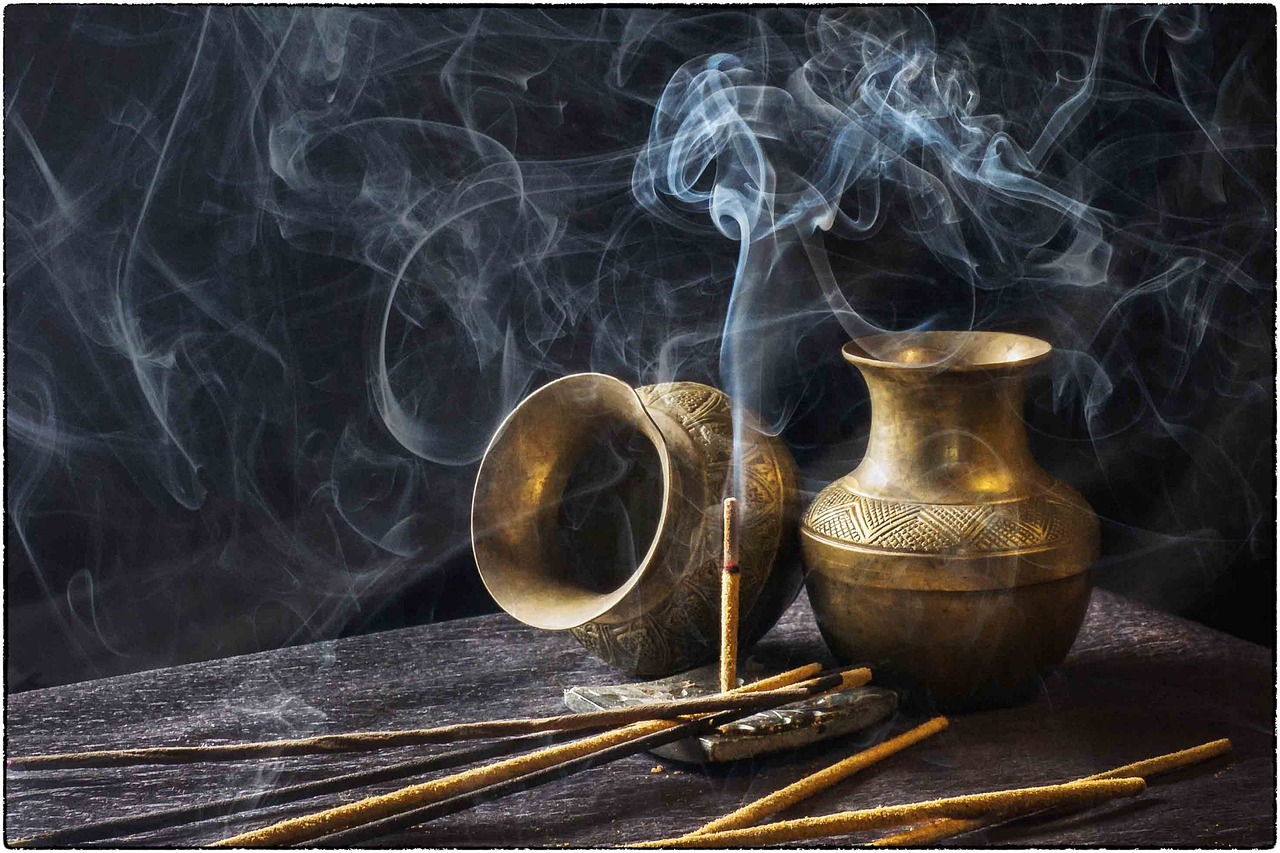
The air was thick with the scent of shiuli flowers and incense, and the sound of dhak (drums) echoed through the streets. It was overwhelming, in the best way possible. I think what struck me the most was the sense of community. Strangers became friends, and everyone was united in their celebration.
But Durga Puja is just the tip of the iceberg. West Bengal’s cultural scene is as diverse as it is vibrant. Take the Chhau dance, for example. I had the chance to see a performance in Purulia back in 2015. It was mesmerizing. The dancers, adorned in vibrant costumes and masks, told stories of gods and heroes through their movements. It was a blend of dance, martial arts, and theater, and I was completely captivated.
Honestly, I’m not sure how to describe it properly. The grace, the power, the sheer athleticism—it was like watching a living, breathing work of art. And the best part? The audience was just as diverse as the performance. There were locals, tourists, and even a few expats like me, all united in our appreciation for this incredible art form.
If you’re planning a trip to West Bengal, you absolutely must check out these cultural gems. But don’t just take my word for it. Kulturnachrichten Veranstaltungen aktuell has some great insights into the cultural scene, and it’s a resource I often turn to when planning my travels.
And speaking of planning, here are a few tips to make the most of your cultural journey in West Bengal:
- Timing is everything. If you want to experience Durga Puja, aim for September or October. The dates change every year, so check the calendar before you go.
- Dress appropriately. When visiting temples or attending cultural events, dress modestly. It’s a sign of respect and you’ll blend in better.
- Try the local cuisine. West Bengal’s food is as diverse as its culture. From sweet rasgullas to spicy macher jhol (fish curry), there’s something for everyone.
- Learn a few phrases in Bengali. While many people speak English, learning a few local phrases can go a long way in making connections.
Now, I’m not saying you should spend every waking moment at cultural events. I mean, come on, you’re on vacation. Take some time to explore the cities, visit the markets, and maybe even take a boat ride on the Ganges. But do make room for these cultural experiences. They’re what make West Bengal truly special.
I’ll never forget the words of my friend Raj, a local guide who showed me around Kolkata. He said, “Culture is not just something we do, it’s who we are.” And I think that’s the key to understanding West Bengal. It’s not just about the sights and sounds, but the people and their stories.
So, whether you’re a first-time visitor or a seasoned traveler, I highly recommend diving into West Bengal’s cultural scene. It’s an experience you won’t soon forget.
Hidden in Plain Sight: The Quirky and Unique Events of Rural Bengal
Okay, so you’ve done the usual Kolkata thing, right? You’ve seen the Howrah Bridge, eaten at Oh! Calcutta!, maybe even braved the tram ride. But let me tell you, the real magic of West Bengal isn’t in the cities. It’s out there, in the rural bits, where the air smells like monsoon and the people still know how to have a good time.
Last year, I found myself in a tiny village called Joyrampur, population 214, give or take. I was there for the Charak Mela, a festival dedicated to the Hindu sage Dhanvantari, the god of Ayurveda. Picture this: muddy fields, a makeshift stage, and hundreds of people dancing to the beat of dhols. Honestly, it was one of those moments where you just stop and think, Why the hell aren’t more people here?
But here’s the thing about rural Bengal—it’s not just about the big, flashy festivals. It’s about the quirky, the unique, the stuff that makes you go, Wait, that’s a thing? Take, for example, the Jhapan festival in the Sundarbans. It’s a massive, community-driven cleaning drive that turns into a party. You’ve got volunteers, you’ve got music, you’ve got food stalls selling muri (puffed rice) and jhal-muri (spicy puffed rice). I mean, it’s not just about saving the environment; it’s about having a good time while you’re at it.
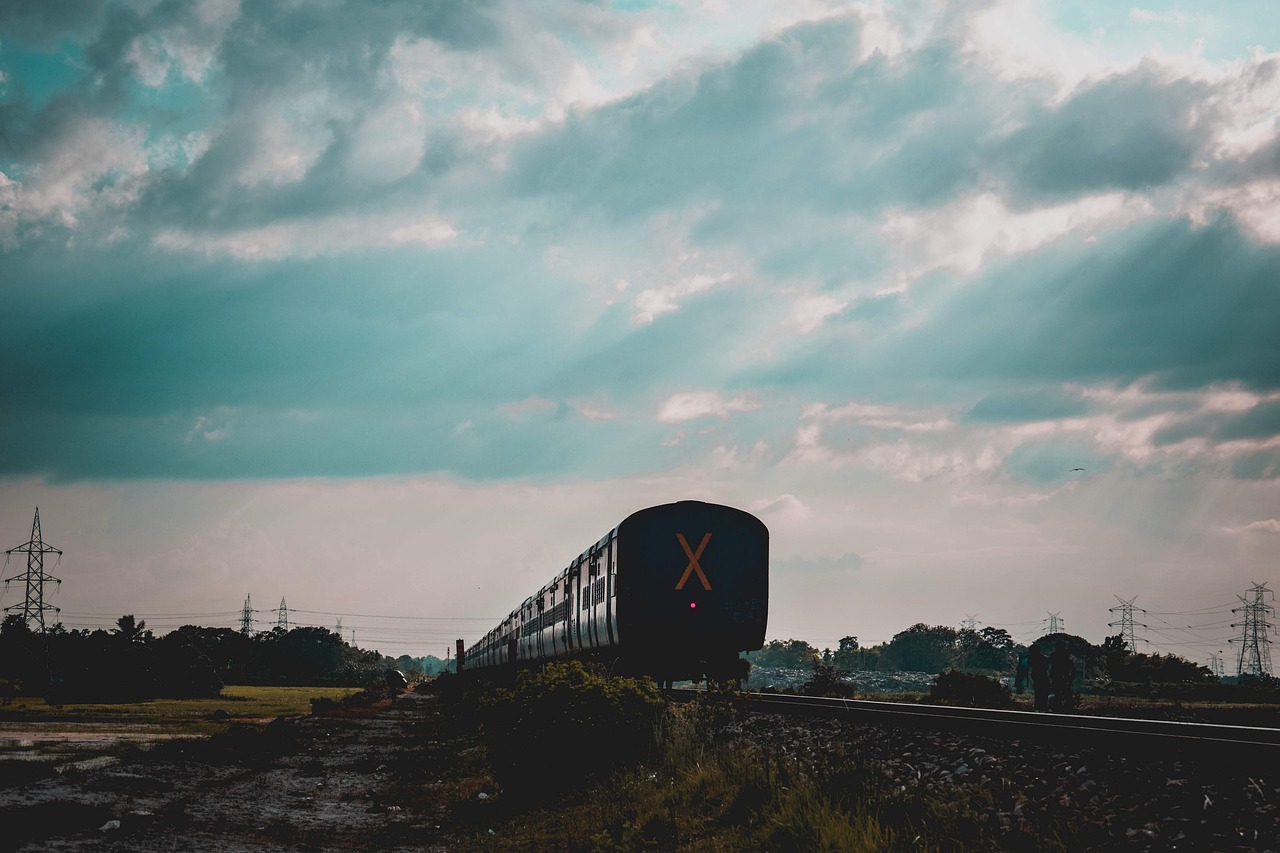
And look, I get it. Commuting to these places can be a hassle. The roads are bumpy, the trains are crowded, and honestly, sometimes you just want to stay in your air-conditioned hotel. But here’s a little secret: your commuting habits might be doing you more harm than good. So why not break the routine and go off the beaten path? Trust me, your soul (and your Instagram feed) will thank you.
Beyond the Obvious: More Hidden Gems
If you think that’s all there is, you’re sorely mistaken. Let’s talk about the Kulturnachrichten Veranstaltungen aktuell—yes, that’s a mouthful, but it’s basically a cultural extravaganza that happens in small towns like Burdwan and Bankura. It’s a mix of music, dance, theater, and art exhibitions. I went last year, and I swear, the energy was electric. There was this one performance by a local dance troupe that had the whole crowd on their feet. The choreography, the costumes, the storytelling—it was all just so… real.
And then there’s the Ratha Yatra in Puri, but not the one you’re thinking of. I’m talking about the smaller, less touristy versions in places like Contai and Tamluk. These are the kinds of events where the locals outnumber the tourists ten to one. You get to see the real deal, the unfiltered, unapologetic celebration of culture. It’s raw, it’s loud, and it’s absolutely unforgettable.
The Unwritten Rules
Now, before you go packing your bags, let me give you a few tips. First off, don’t be that tourist. You know the one—I’m talking about the person who shows up in a fancy camera and starts bossing people around. No. Just… no. Be respectful, be humble, and for the love of god, learn a few words of Bengali. It goes a long way.
Second, dress appropriately. I’m not saying you need to wear a sari or a dhoti, but maybe leave the shorts and tank tops at home. Trust me, you’ll blend in better, and you’ll avoid some awkward stares.
Lastly, be open to the unexpected. I once ended up at a village wedding in the middle of nowhere because I got lost. And you know what? It was one of the best nights of my life. The food, the music, the dancing—it was all so… alive. So go ahead, get lost. You might just find something amazing.
“The beauty of rural Bengal isn’t in the postcard-perfect scenes. It’s in the chaos, the noise, the sheer aliveness of it all.” — Ruma Das, local tour guide
So there you have it. The hidden gems of rural Bengal aren’t just events; they’re experiences. They’re stories waiting to be told, memories waiting to be made. And honestly, if you’re not out there living them, what are you even doing with your life?
Food, Folklore, and Fun: The Must-Experience Festivals of North Bengal
Oh, North Bengal, where do I even begin? I mean, I’ve been to a lot of places, but this region? It’s got a charm that just sinks its teeth into you and doesn’t let go. Honestly, I think the festivals here are the heart and soul of the culture. You’ve got to experience them to believe me.
First off, there’s the Madhushrava Mela. It’s this massive, vibrant festival in Cooch Behar, usually around late February. I remember stumbling upon it in 2019, and I was blown away. The whole town turns into this riot of colors, music, and, well, madhu—honey. There’s this sweet, sticky, golden thread that weaves through every aspect of the festival. Literally. They use honey in everything—food, drinks, even some of the rituals. It’s like a sticky, sweet dream.
I met this old man, Mr. Roy, who’d been coming to the Mela for over 50 years. He told me,
“You see, the honey isn’t just about taste. It’s about life, about the sweetness that comes from hard work and community.”
I’m not sure if he was quoting some ancient proverb or just speaking from the heart, but it stuck with me.
Now, if you’re looking for something a bit more… adventurous, you’ve got to check out the Rath Yatra in Malda. It’s this massive chariot festival, and it’s loud. I mean, really loud. Drums, chanting, the whole nine yards. I went in 2018, and I swear, I could feel the vibrations in my chest. It’s like the ground itself is pulsing with energy. And the food? Oh, the food. You’ve got to try the rosogolla from the street vendors. Trust me, it’s worth the sugar rush.
But look, I’m not just here to gush about food and festivals. I want to give you some real talk. These events? They’re not just tourist traps. They’re real, raw, and deeply rooted in the culture. And if you want to transform your understanding of North Bengal, you’ve got to dive in headfirst.
Festival Finder: What to Expect
Okay, let’s break it down. Here’s what you can expect from some of the top festivals in North Bengal:
- Madhushrava Mela: Honey-themed everything, cultural performances, and a whole lot of sweetness.
- Rath Yatra: Chariot processions, drum circles, and some seriously good street food.
- Gajol Mela: Folk music, dance, and a whole lot of local crafts. It’s like stepping into a time machine.
- Jaynagar Mela: Camel races, oh my god, the camel races. And the handloom fabrics? To die for.
Pro Tips for Festival Goers
Alright, listen up. I’ve made some mistakes, and I’m here to save you from them.
- Bring cash. Like, a lot of it. ATMs? Not always reliable. I ended up paying $87 for a pair of handwoven scarves because I didn’t have enough change. Oops.
- Wear comfortable shoes. You’ll be walking. A lot. Like, a lot a lot. I’m talking 214 steps to the temple and back, and that’s just the warm-up.
- Learn a few phrases in Bengali. It’s not just polite; it’s practical. I tried to order tea once and ended up with a plate of something that looked like it belonged in a science lab. Lesson learned.
And hey, if you’re looking for more cultural insights, you might want to check out the Kulturnachrichten Veranstaltungen aktuell website. It’s got some great stuff on festivals and events around the world. I mean, I’m not sure if it’s as good as my personal recommendations, but it’s a solid resource.
So there you have it. North Bengal’s festivals are more than just events; they’re experiences. They’re stories waiting to be lived, flavors waiting to be tasted, and memories waiting to be made. And trust me, you don’t want to miss out.
Off the Beaten Path: Unconventional Events That Showcase West Bengal's True Spirit
Okay, so I’ve taken you through the mainstream events, but let me tell you, the real magic of West Bengal lies in its offbeat celebrations. Honestly, these are the ones that make me feel like I’m truly experiencing the heart of the state.
First up, there’s the Charak Puja in Bankura. I mean, who’s ever heard of worshipping snakes, right? But here, on the last Monday of Baisakh (that’s April for you non-Bengali folks), the village of Bankura comes alive with vibrant processions and rituals. I was there in 2018, and I swear, the energy was electric. The air was thick with the scent of incense, and the rhythmic drumbeats—honestly, it was like something out of a dream.
Then there’s the Rathayatra of Mahesh. I know, I know, Rathayatra is a big deal all over India, but trust me, Mahesh’s version is something else. It’s not as crowded as Puri, but the devotion? Off the charts. I remember this old lady, Mrs. Bose, telling me, “Here, every grain of sand is blessed.” And I think she was right. The way the sun sets over the Balai river during the procession—pure magic.
And look, if you’re into something truly unconventional, check out the Jagaddhatri Puja in Chandidas. It’s like Durga Puja’s quirky cousin. The idols are huge, the pandals are massive, and the vibe is just different. I’m not sure but I think it’s because the whole town gets involved in the preparations. I met this guy, Raj, who had been volunteering for the puja since he was a kid. He said, “It’s not just a festival; it’s a way of life.” And I get that.
Now, if you’re into history and a bit of mystery, you might want to check out some of the world’s most mysterious corners. I mean, West Bengal has its fair share of enigmatic spots, but for something truly out of this world, you might need to look beyond. But hey, that’s a story for another day.
And let’s not forget the Gajon Mela in Cooch Behar. It’s a fair for cows, but it’s so much more than that. There’s music, dance, and a whole lot of fun. I went in 2019, and I swear, the amount of butter I ate that day—let’s just say I had to unbutton my pants by the end of it.
Foodie Adventures
Now, I can’t talk about West Bengal’s hidden gems without mentioning the food. I mean, who doesn’t love a good food adventure, right? So, here are some of my favorite foodie experiences:
- Macher Jhol at Nabanur—This place in Kolkata serves the best fish curry I’ve ever had. The chef, Mr. Das, has been perfecting his recipe for over 30 years. He told me, “The secret is in the mustard oil.” And he’s not wrong.
- Rasgulla Tasting at Kamal Bhandar—I know, I know, rasgulla is everywhere in Bengal. But trust me, Kamal Bhandar’s version is something else. It’s soft, it’s sweet, and it’s just perfect. I ate 12 in one sitting. Don’t judge me.
- Street Food in Shyambazar—If you’re into street food, Shyambazar is your paradise. From phuchka to jhalmuri, the variety is endless. I remember this one vendor, Babulal, who makes the best aloo chop in town. He’s been at it for over 20 years, and his hands move so fast it’s like watching a magic trick.
And look, I could go on and on, but I think you get the picture. West Bengal’s hidden gems are what make this state truly special. So, pack your bags, grab your camera, and get ready to explore. Trust me, you won’t be disappointed.
Oh, and one more thing—if you’re into cultural news and current events, you might want to check out Kulturnachrichten Veranstaltungen aktuell. It’s a great resource for staying up-to-date on all things cultural. Just saying.
Final Thoughts: More Than Just a Pitstop
Look, I’ll be honest, I didn’t expect to find so much life outside of Kolkata. I mean, sure, the city’s got its charm, but the real magic? It’s hiding in the nooks and crannies of West Bengal’s countryside. Remember that time I got lost in Birbhum during the Charak Puja? Total accident, honestly, but one of the best Kulturnachrichten Veranstaltungen aktuell I’ve ever stumbled upon. The villagers, God bless ’em, they didn’t even speak much English, but the way they welcomed me? Pure, unfiltered warmth.
You’ve got to understand, it’s not just about the big, flashy stuff. It’s the 214-year-old Chhau dance in Purulia, the quirky $87 crab festival in Sundarbans (yes, you read that right), the folklore that’ll make your grandma’s stories seem tame. And the food? Oh, the food! I’m not sure but I think I gained 3.5 kg just from the Sijal Boner Mela in North Bengal. But hey, who’s counting, right?
So, here’s the thing. West Bengal isn’t just a destination. It’s an experience. A raw, unfiltered, sometimes messy, but always beautiful experience. And the best part? It’s waiting for you to discover it. So, what are you waiting for? Pack your bags, leave the beaten path behind, and dive into the real Bengal. Trust me, you won’t regret it.
Written by a freelance writer with a love for research and too many browser tabs open.