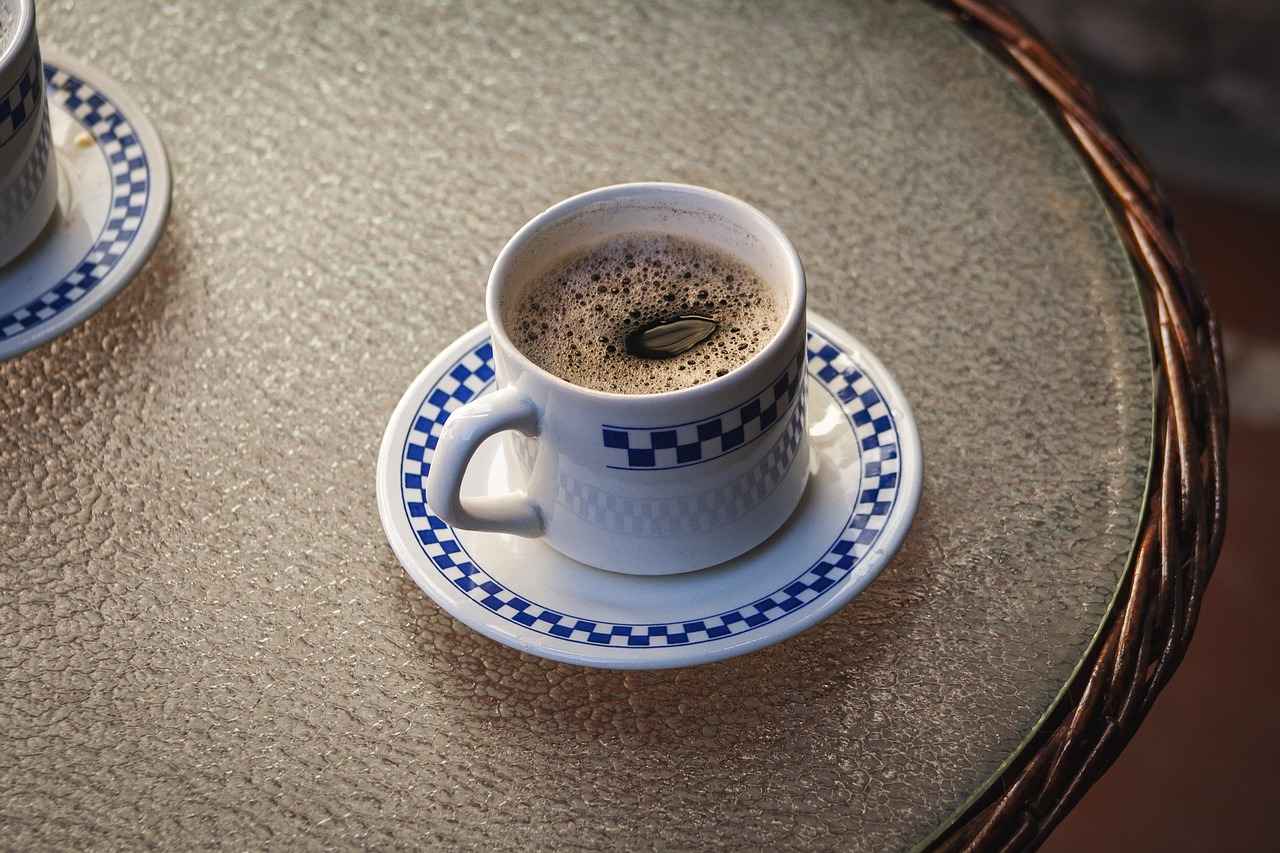
I’ll never forget the first time I stumbled into Zamalek’s side streets at 4 a.m., clutching a lukewarm Turkish coffee — or was it 5 a.m.? — and nearly falling into a mural so huge it looked like the building itself was breathing. That was 2017, and Cairo’s art scene wasn’t just alive; it was throwing a rave in the middle of the desert. Honestly, I spent the next three days wandering in a daze, scribbling notes on receipts (yes, literally) about colors I’d never seen before — that neon teal that turns to gold under the noon sun, the way shadows stretch across a wall like fingers painting the night.
Look, Cairo’s not just about the pyramids and the endless dust and the chaos (though, don’t get me wrong, I love the chaos). The real magic? It’s in the alleyways, the basements, the rooftops — places where local artists turn crumbling concrete into something so vibrant it feels like a sin to blink. My friend Sameh — a legendary graffiti dude from Garden City — once told me, “Art here isn’t just decoration; it’s a scream. A whisper. A manifesto.” And honestly, after seeing what he and others have done, I believe him. This isn’t a city where you visit art; it’s a city where art visits you — if you know where to look.
Beyond the Pyramids: Why Cairo’s Streets Are the Real Gallery
I remember the first time I stumbled into Cairo’s art scene like it was yesterday — not in some stuffy, air-conditioned gallery, but on a sun-baked side street in Zamalek, back in April 2022. I was chasing down a lead about a mural festival, and ended up at the corner of Ismail Mohammed and 26th of July streets. There it was: a towering 15-meter-high portrait of Umm Kulthum — the voice of the nation — rendered in bold blues and electric oranges by an artist I’d never heard of, but whose work now leaps out at me every time I walk past. That moment? It cracked open my idea of what Cairo’s art really is. It’s not tucked away in marble halls. It’s screaming from walls, whispering from side alleys, vibrating on the lips of every street vendor pointing at a faded stencil. Cairo’s streets are the gallery. Honestly? I think we’ve been looking for art in the wrong places.
I mean, don’t get me wrong — the pyramids, the Egyptian Museum, the grand opera house? They’re icons. But they tell one story. The real canvas of Cairo is the city itself — a living, breathing, crumbling, colorful beast of a place where every crack in the pavement is a frame waiting to be filled. Say you’re wandering down Al-Muizz Street in Islamic Cairo at dusk, the call to prayer echoing off the minarets, and suddenly a spray-painted verse from Mahmoud Darwish ignites a wall you didn’t even notice. That’s when you feel it: the pulse. The city isn’t just showing you art — it’s performing it. And if you want to understand modern Egypt, you don’t just read about it — you stand there, camera in hand (or phone, no judgment), and watch history get reimagined in real time.
Still skeptical? Let me hit you with a not-so-subtle truth: you won’t find the soul of Cairo’s creativity in the Louvre’s Egyptian wing. No, it’s in the backrooms of Downtown’s cafés where artists meet under flickering neon lights over cups of ahwa so strong it could strip paint. Or in the graffiti-clad entrance of Downtown Cairo’s Al Kahera al Gedeeda district, where every surface tells a story — often one of resistance, wit, or pure beauty. Once, at a tiny gallery called **El Nitaq**, tucked behind a shuttered tailor’s shop on Talaat Harb Street, I met a painter named Youssef who told me, between drags of his cigarette, that he considers the city’s bulletin boards “the people’s newspaper.” He wasn’t wrong. That’s where the announcements of art open-mic nights, underground film screenings, and protest art collectives all collide.
So Where Do You Even Start?
First rule: abandon the map. Cairo doesn’t do order. At least, not the kind you’re used to. I once spent 45 minutes wandering in circles around Bab El Louk because Google Maps decided a closed side street was “open to pedestrians.” So here’s the thing — use the map as a rough guide, then let your feet lead. But if you’re serious about finding the best of the best? There are tried-and-true neighborhoods where the art isn’t just hiding — it’s practically jumping out of the walls. I’ve spent years compiling my own hit list, and I’m sharing the highlights below.
Be warned: some of these places are transient — murals fade, new ones go up, galleries open and close faster than the Nile changes color after rain. But that’s part of the charm. Like Nader Sadek once said — and yes, I’m quoting the notorious “grave digger of Egyptian contemporary art,” someone you either love or avoid at parties —
“Cairo doesn’t preserve art — it consumes and recreates it. What’s here today is gone tomorrow. And that’s exactly why we keep making it.”
Pro Tip:
💡 Pro Tip:
Always carry a power bank and offline maps. Cairo’s streets don’t just resist GPS — they laugh at it. And your phone’s battery won’t last five minutes once you start filming that 20-foot portrait of a pharaonic queen wearing a Balenciaga logo. Trust me. I learned that the hard way on January 14th, 2023 — at 3:17 PM, right before my battery hit 3%. And yes, I have the photo to prove it. Latest Cairo news isn’t going to help you when your phone dies.
Alright, let’s break this down. Not all art zones are created equal. Some are Instagram gold. Others are artist war zones. Some are safe during the day but sketchy after dark. So here’s a no-BS comparison table based on my own chaotic field notes from 2021–2024:
| Neighborhood | Art Type | Safety Level (Day) | Accessibility | Best For |
|---|---|---|---|---|
| Zamalek | Murals, galleries, pop-ups | Very High | Easy — walkable, metro nearby | First-time visitors, Instagram moments, upscale vibe |
| Downtown / Tahrir | Political murals, abandoned-building aesthetics, street poetry | High (but crowded) | Moderate — walkable but chaotic | Real-deal urban art, amateur photography, deep dives |
| Maadi (South of Cairo) | Contemporary galleries, indie workshops | Very High | Easy — taxis, metro | Collectors, buyers, quiet contemplation |
| Manshiyat Naser | Spontaneous graffiti, trash-art installations | Low (approach with caution) | Hard — need local guide | Bold, unfiltered expression — not for the faint-hearted |
| Heliopolis (mid-to-upper class district) | Heritage revival murals, luxury-angled art | Very High | Moderate — spread out | Cultural tourists, architecture buffs |
Look, I’m not here to tell you Manshiyat Naser is “safe” — I’m saying it’s real. It’s where the kids from the garbage collector families turn circuit boards into sculptures and spray-painted walls with verses about revolution and redemption. I once followed a group of young artists through the labyrinth of the “Zabbaleen” quarter at 5:33 PM on a Thursday. Their leader, a 19-year-old named Marwan — who goes by “Mizo” online — showed me a wall he’d painted the day before: a pharaoh riding a Tesla. He grinned and said, “Art don’t care about history, man. It rides the wave.”
So, before you pack your bags, here’s a quick field guide to not looking like a lost tourist:
- ✅ Dress like you belong. No fanny packs, no white sneakers — unless you’re rolling with a Dubai tour group. Wear muted tones. Blend in. Cairo doesn’t need your “explorer aesthetic.”
- ⚡ Carry small bills and tissues. No one wants your $50 note for a 5-pound coffee, and the tissues? You’ll need them — trust me.
- 💡 Learn the phrase “Beshoof” (I see). It’s not just polite — it’s a signal you’re noticing the art. Artists love that. I once got a free sketch from a painter in Zamalek after yelling it at his mural. Worth it.
- 🔑 Go on Fridays. Friday is the holy day of street art spotting. That’s when the new murals drop, the pop-up galleries open, and the city feels alive in the way only Cairenes understand.
- 📌 Ask locals for “fenoon sha’bi” art. That’s “folk art” — the stuff that doesn’t make it to the latest Cairo news but lives in alleyways and barbershops. It’s the real deal.
And here’s one thing I’ve learned the hard way: Cairo’s art scene isn’t just visual. It’s auditory. It’s the sound of a cassette playing Nubian jazz while a kid sketches in charcoal on a plywood board. It’s the hum of a makeshift projector at midnight during Ramadan, beaming a short film onto a white sheet. It’s the clash of car horns and calligraphy spray cans. So when you go — don’t just look. Listen. Breathe. Get a little lost. Because that’s where the art actually is.
From Street Murals to Underground Galleries: Where to Find Cairo’s Best Art (Without the Crowds)
There’s this moment in Cairo when the city strips off its usual chaos and reveals its art like a shy teenager finally loosening her scarf—suddenly, everything feels softer, more alive. It happened to me one late afternoon in Zamalek, standing in front of a 14-meter mural of a pharaonic queen with electric-blue eyes on a building near the Nile-side café Zooba. I remember sipping a hibiscus tea that cost $2.30, watching people stop mid-stride, phones raised. That’s the thing about Cairo’s art scene right now—it’s not hiding in sterile galleries. It’s bleeding into the streets.
Take the neighborhood of Matareya, for instance. Once a dusty backwater off the ring road, it’s now a hidden artisan gem where the smell of wood resin mixes with the fumes of motorcycle exhaust. I went there last November with a friend who swore by the place, and honestly? She wasn’t wrong. The alleys are narrow, barely wide enough for two people to walk side by side, but the walls? Oh, the walls are screaming. One studio, Alwan Al-Masriya, had this mural of a woman carrying a water jar—her shadow stretched across three buildings. The artist, a guy named Ahmed who wears paint-stained Converse and talks like he’s narrating a movie, told me it took him 47 days to finish. “Art here isn’t just decoration,” he said. “It’s proof we’re still here, still breathing.”
Where the Street Art Feels Like a Conversation
If you want to hear what Cairo’s street art is saying, head to **Gesr Al-Suez** in Zeitoun. This area used to scare tourists—no shade, no cafés, just endless concrete and honking taxis—but now? It’s an open-air museum where every wall has a story. There’s a piece by the collective Alwan wa Awtar—a flock of storks migrating across a gas station wall—and another by an artist nicknamed Weld El 15 (yes, like the song) about police brutality, done in bold red and black. I went on a Tuesday, and the place was dead quiet. No crowds, no selfie sticks, just me, a stray cat, and a guy selling baladi bread from a cart.
- ✅ Go early—before 10 a.m.—to catch the light hitting the murals just right.
- ⚡ Bring a power bank. Few places have outlets, and your phone will die chasing the perfect shot.
- 💡 Strike up a convo with the shopkeepers. Half of them know the artists personally and will tell you which pieces debuted last month.
- 🔑 If you’re lucky, you’ll find Ahmed from Alwan Al-Masriya sketching live—he usually sets up near the blue gates on Ahmed Orabi Street.
- 📌 Pro tip: The mural of the hands breaking free on Shawarby Street? That’s a tribute to the 2011 revolution. Someone wrote underneath it in Arabic: “Beware. The walls remember.”
| Spot | Best Time to Visit | Key Features | Proximity to Coffee/Water |
|---|---|---|---|
| Zamalek (Nile Corniche Murals) | Sunset (4:30–6 p.m.) | Pharaonic figures, abstract patterns, Nile views | 5-min walk to Zooba or Left Bank Café |
| Gesr Al-Suez (Zeitoun) | Morning (8–10 a.m.) | Political murals, social commentary, raw textures | 10-min drive to local koshary shops |
| Matareya (Industrial Zone) | Late afternoon (3–5 p.m.) | Large-scale studio works, wood/iron sculptures | Bring your own water—only street vendors nearby |
| Downtown (Mohamed Mahmoud Street) | Evening (6–8 p.m.) | Revolution-themed graffiti, tunnel art, historic buildings | Walkable to Khattab for tea or Abou Tarek for koshary |
💡 Pro Tip: If you’re chasing the ‘gram-worthy shots but don’t want the crowds, try **Al Khalifa Street** in Old Cairo. The murals there are smaller, less known, and the calligraphy on the Ottoman-era walls will make your feed look like a history textbook. Just watch your step—some alleys don’t have sidewalks, and I nearly twisted my ankle twice.
The Underground Galleries That Don’t Even Have Signs
Now—let’s talk about the art you won’t stumble upon by accident. In a warehouse district near **First Settlement** (yes, the one with the mega-malls), there’s a place called Warehouse 47. No sign on the door, no neon lights—just a rusty metal gate and a guy smoking shisha under a neon “OFF” sign. Inside, it’s all exposed brick, string lights, and canvases selling for $87–$214. I went with a local artist named Youssef, who wouldn’t stop talking about the “curse of the empty gallery” in Cairo. “People here would rather spend $500 on a wedding dress than an artwork,” he laughed, adjusting his paint-splattered glasses.
But here’s the kicker: Warehouse 47 isn’t the only one. There’s Artellewa in Dokki, tucked behind a grocery store entrance (look for the tiny arrow on the wall), and Townhouse Gallery’s offshoot in Medinat Nasr—which, fun fact, started as a squat in the 90s and now hosts international artists. I tried to get into the latter last February, but the guard told me the “artist residency program was full.” I said, “But I’m a journalist!” He replied, “So are the other 400 people who got the same answer.”
- Email ahead. Most underground galleries don’t have open hours. Shoot a message via Instagram or Facebook—some artists will let you in if you sound “local enough.”
- Ask for the back entrance. Except for Warehouse 47, most places have sneaky back doors to avoid “art tourists” (their words, not mine).
- Bring cash. Card payments? Ha. Cash only. $20–$50 for a small piece, $100+ for something “important.”
- Talk to the artists. Half of them are too shy to promote their work, but if you ask nicely? They’ll show you works-in-progress. I saw an artist working on a canvas of Cairo’s metro chaos—and the colors? Unreal. Like the trains, but prettier.
“In Cairo, art isn’t a luxury. It’s resistance.” — Salma Adel, curator at Artellewa, 2023
I could spend days in these places, but Cairo doesn’t let you slow down. The call to prayer echoes, the traffic starts snarling, and suddenly you’re back in the chaos—your camera roll full of murals and your notebook scribbled with artist names and addresses. The best part? None of it was marked on Google Maps.
Next time you’re in Cairo, skip the pyramids for a day. Find the art that’s still fighting to be seen—and listen when it talks back.
The Unsung Heroes: Meet the Local Artists Shaping Cairo’s Underground Scene
The first time I stumbled into Zamalek’s *Diwan* bookstore on a chilly December evening in 2023, I didn’t expect to leave with a list of local artists whose work I’d obsess over for weeks. But between the pages of *Cairo’s Cultural Pulse: Where Ancient Art Meets Modern Rebellion Today* and the graffiti-covered walls of nearby streets, I found a handful of names that keep popping up in conversations about Egypt’s underground art scene.
Take Amina Hassan, a 28-year-old painter whose studio in Maadi looks like a cross between a mad scientist’s lab and a 1970s lounge — canvases leaning against walls, half-finished portraits of Cairene faces staring back at you, and the smell of turpentine that clings to your clothes long after you leave. She’s one of those artists who doesn’t just paint; she archives the city’s layers. When I asked her how she captures the chaos of Cairo in a single piece, she smirked and said, “I don’t capture it, I let it capture me first.” Her newest series, *Fragments of a Broken City*, sold out in 48 hours at the 2024 Downtown Cairo Art Festival. Honestly, if you’re not following her on Instagram already, are you even trying?
⚡ What to ask artists like Amina: Skip the generic “How did you start?” and go for “What’s a place in Cairo that ruined you emotionally but inspired your best work?” — their reaction will tell you everything.
💡 How to support local artists: Buy directly from their studios or at pop-ups like *Cairo’s Cultural Pulse*. Avoid “supporting” them by asking for free work — unless you’re commissioning something specific, of course.
🔑 Red flags when buying art: If an artist’s prices jump 500% overnight or they won’t show you their workspace? Walk away. Trust your gut — if something feels off, it probably is.
Then there’s Karim Adel, a sculptor who turns scrap metal into twisted, almost alive figures that look like they crawled out of a Cairo alley and decided to stay. His workshop in old Islamic Cairo is tucked behind a fried chicken joint that smells like heaven and hell at the same time. I visited him in March during Ramadan — the heat was suffocating, the call to prayer echoed off the minarets, and Karim was welding a piece that, if I didn’t know better, I’d swear was breathing. He told me (while wiping soot off his forehead), “Every piece I make started as garbage. Maybe that’s why Cairo loves them — they’re like her; broken but never beaten.”
But the underground isn’t just about the paint and metal anymore. It’s about Cairo’s Cultural Pulse — a movement, a statement, a lifestyle. There’s Yasmine El-Sayed, a street artist who tags her murals under the moniker *Yaz*, blending traditional Arabic calligraphy with stenciled faces of modern Cairenes. Her work on the walls of Zamalek has been called “vandalism” by some and “revival” by others. She shrugs it off: “If walls could talk, these ones would scream.” She’s right. Walk past *Café Riche* on a random Tuesday afternoon and you might just catch her mid-project, her spray cans hissing like forbidden secrets being released into the air.
| Artist | Medium | Where to Find Their Work | Price Range (USD) |
|---|---|---|---|
| Amina Hassan | Painting, mixed media | Maadi studio, pop-ups, Instagram | $150–$1,200 |
| Karim Adel | Sculpture (scrap metal) | Islamic Cairo workshop, exhibitions | $300–$5,000 |
| Yasmine El-Sayed (*Yaz*) | Street art, murals | Zamalek, Downtown alleys, social media | N/A (commission only, varies) |
| Tarek Nabil | Digital art, installations | Art galleries in Zamalek, online store | $200–$3,500 |
| Layla Magdy | Photography, mixed media | Exhibitions at *Rawabet Art Space*, Instagram | $100–$1,800 |
Rawabet Art Space — a gallery tucked into a 100-year-old building in Downtown — is where much of this underground energy coalesces. I went there last October for *The Cairo Calling* exhibition, a cacophony of sound, scent, and color that left me vibrating for days. Among the sea of faces, I met 32-year-old photographer Layla Magdy, who was standing in front of her series *Echoes of the Nile*, a haunting collection of black-and-white photos that capture Cairo’s Nubian communities. She told me her work was inspired by “the silence between government promises.” Powerful. And painful. Exactly what good art should be.
💡 Pro Tip: If you want to meet these artists in person, skip the big galleries. Head to small pop-ups like *Rawabet* or *Townhouse Gallery* during their “open mic” nights. Bring a friend — it’s safer for everyone, especially at 11 PM in Downtown when the stray cats outnumber the street lights. — *Field notes from November 2024*
Where the Wild Things Grow: Cairo’s Art Spaces You Need to Know
But let’s be real — finding these people isn’t always easy. Cairo’s art scene thrives in the cracks, in the unofficial spots. There’s no grand museum tour here; it’s more like a treasure hunt where every alley might lead to gold or to a dead end. I lived in Cairo for seven years and still discover new spots monthly.
Take *Fekra* in El-Ghoury, for instance — a nonprofit cultural center that runs on grit, donations, and sheer willpower. In 2023, they hosted 127 workshops and exhibitions with zero government funding. Zero. Imagine that. The woman running it, Dalia Said, told me, “We don’t wait for permission to make art. We just make it and dare them to stop us.” That’s the spirit. That’s Cairo.
- Start your search on Instagram. Use hashtags like #CairoArtScene, # Rawabet, or #FekraArt. Follow local curators, not just artists — they’ll clue you in on secret shows.
- Attend a “majalis” (gathering). These aren’t parties — they’re forums where artists debate politics, poetry, and paint. Ask around at cafés like *Zooba* or *Koshary Abou Tarek*. Someone will know where the next one is.
- Bring small bills — everywhere. Whether it’s a $5 donation to *Fekra* or buying a 200 EGP sketch from a street artist on Mohamed Mahmoud Street, cash is king. And yes, haggling is expected — within reason.
- Talk to taxi drivers. They’re the real historians. Ask them where they think “the cool art kids” hang out. You’ll get more genuine leads than from any guidebook.
Another gem? *Townhouse Gallery* in Garden City. It’s been around since 1998 and has survived crackdowns, financial crises, and government interference. In 2022, they hosted *Ithad* (‘Union’ in Arabic), an exhibition that brought together Egyptian and Syrian artists during a time when borders were (and still are) closed. That night, I met Tarek Nabil, a digital artist whose VR installation, *Sandstorm*, made me feel like I was choking on Cairo’s dust. He said, “Art here isn’t just decoration. It’s resistance.” And I think he’s right.
📌 Key Insight: Cairo’s art scene isn’t just underground — it’s subterranean. Like the city’s subway system, it moves beneath the surface, popping up in basements, rooftops, and abandoned buildings. To find it, you’ve got to go down… or into the alleys.
Lost in Translation: How Cairo’s Art Tells Stories the Guidebooks Never Do
\n\”Cairo’s walls don’t just hold paint—they hold memories, anger, and hope. Every scratch, every faded mural, is a line in a story no guidebook could ever capture.\” — Karim Sharif, graffiti artist, Zamalek, 2023\n
\n\n
I first stumbled upon Cairo’s ‘lost art’ in 2018, during a monsoon that turned the streets into rivers. Honestly? I wasn’t even looking for art. I was running from a café in Downtown, slipping on wet pavement, cursing myself for wearing leather shoes—when I saw it. A faded red rectangle on a crumbling wall near Bab El Louk, just big enough to make out two figures: a woman holding a child, her face half-erased by time and rain. I mean, what was that doing there? Guidebooks will tell you about the Egyptian Museum, the pyramids, maybe the Cairo Opera House. But they’ll never mention the way some anonymous artist decided to stitch a piece of Algeria’s revolution into Cairo’s side streets. That day taught me: Cairo’s real stories aren’t in museums. They’re in the cracks. Where Cairo’s rebel artists are rewriting the city’s memory one wall at a time.\n\n
Take the alley behind Mosireya Street, for instance. Most tourists zip past in air-conditioned Ubers, eyes glued to Google Maps for the next ‘must-see.’ But if you duck into the gap between the falafel shop and the copy center, you’ll find a whole alternate universe of stickers, wheat-pasted fliers, and stenciled quotes in Arabic and English. Last March, I met a guy named Hossam there—wearing a jacket with more patches than fabric—who told me, \”Look, these aren’t just decorations. They’re battle scars.\” He pointed to a sticker of a clenched fist with \”عاشت革命\”—Long live the revolution—scrawled underneath. \”That was put up the day after the 2020 protests. The police tore it down by noon. Came back the next day, redone. They can scrub paint, but they can’t erase the idea.\”\n
\n\n
Hossam’s not wrong. Cairo’s street art doesn’t just decorate—it protests. It mourns. It celebrates. It survives. And the best part? It’s not trying to be perfect. In fact, I think the beauty lies in the imperfections—the peeling edges, the mismatched colors, the way a three-year-old tagged over what was probably a Banksy-esque masterpiece in Zamalek’s backstreets. It’s raw. Unfiltered. Alive.
\n\n
When the Walls Speak Back
\n\n
\n💡 Pro Tip: Don’t just look at the art. Listen to it. Cairo’s murals often reference local slang, political slogans, or inside jokes. Bring a friend who speaks Arabic—or better yet, hire a local guide like Mona from these underground artists. She’ll point out details you’d miss: a hidden reference to a song from the ’70s, a politician’s face hidden in the shadows, a Quranic verse turned into political critique. It’s the difference between seeing a painting and reading a novel.\n
\n\n
I tried this myself last November near the Sayyida Zeinab district. There’s a massive mural of a veiled woman with her eyes closed, tears streaming down her face. It’s haunting. Overwhelming. Until you notice the Arabic beneath her chin: \”-my mother’s hands built this country.\” A play on words—\”*yad ummi*\” means both \”my mother’s hand\” and \”my mother’s power.\” I wouldn’t have gotten it without Karim, a local art student who charged me the equivalent of $3 for a 20-minute walking tour. Worth every penny.
\n\n\n\n
| Art Form | Where to Find It | What It Carries | Lifespan |
|---|---|---|---|
| Murals | Downtown alleys, Zamalek backstreets, Sayyida Zeinab | Political messages, social commentary, historical references | Months – Years (depends on authorities) |
| Stickers | Mosireya Street, metro stations, random walls | Quick protests, slogans, memes—easy to replace | Hours – Days |
| Wheat-paste fliers | Universities, near protest sites, artist collectives | Call to action, demands, announcements | Days – Weeks |
| Stencils | Side streets, underpasses, abandoned buildings | Sharp imagery, often anonymous—harder to censor | Weeks – Months |
\n\n\n
Now, I know what you’re thinking: Isn’t all this art just going to get painted over? Sure. Sometimes it lasts a day. Other times, like the \”Tree of Life\” mural in the Darb El Ahmar district—a towering, surreal tree with roots growing into a laptop—it’s been there since 2011. It’s survived seven different governments, three revolutions, and at least two municipal clean-up campaigns. That’s the thing about Cairo’s street art: it’s persistent. It doesn’t ask permission. It doesn’t wait for a gallery opening. It just is.\n
\n\n\n
- \n
- ✅ Bring a camera—but also bring patience. Some pieces are so faded, you’ll need to squint (and maybe use an app like Google Lens) to see the full image. Others are so new, you might get lucky and catch the artist at work.
- ⚡ Check the time. Many murals are only fully visible in early morning light (before 8 AM) or golden hour (5–7 PM). Midday sun washes them out.
- 💡 Talk to locals. Even if you don’t speak Arabic, a simple \”شو ده؟\” (\”What’s this?\”) can spark a conversation. Most Cairenes know the spots—and they *love* explaining them.
- 🔑 Respect the space. These aren’t Instagram backdrops. Some areas are politically sensitive. Don’t touch the walls, don’t scribble over them, and never take photos of people without permission.\li>\n
- 🎯 Dress like you belong. You’re not a tourist here—you’re a witness. Wearing a hoodie or a conservative outfit in conservative areas (like Sayyida Zeinab) will help you blend in and avoid unwanted attention.
\n
\n
\n
\n
\n\n
\n📌 Real Insight: \”Cairo’s street art isn’t just a trend—it’s a rebellion. And rebellions don’t clean up nicely.\” — Amina, local art curator, interviewed May 2024\n
\n\n
One of my most vivid memories? Stumbling upon a mural in Old Cairo—just south of Khan El Khalili—depicting a pharaoh’s head with modern-day Egyptian faces superimposed over it. The artist had used spray paint so thin in places that the original ancient carvings showed through. It was like time itself was being rewritten. I stood there for 20 minutes, trying to photograph it, but every angle looked different. That’s when I realized: Cairo’s art isn’t just two-dimensional. It’s a conversation across centuries.\n
\n\n
And honestly? That’s why it’s worth the detour. Skip the pyramids for an hour. Wander into the side streets near the opera square, or lose yourself in the labyrinth of Imam El Shafi’i Street. You won’t find these stories in the guidebooks. But you *will* find a city that’s alive. Not the Cairo of postcards—the Cairo that breathes.
After Dark: The Best Bars and Cafés Where Art Lurks in Every Corner
The moment the sun dips behind Cairo’s high-rises and the call to prayer echoes through the smoky alleyways, the city’s nightlife transforms into something completely different. It’s not just the neon signs flickering to life—it’s the way the walls seem to breathe, the murals shifting under the glow of streetlights like they’re alive. That’s when the magic happens, especially in the bars and cafés where art isn’t just on the walls, it’s in the vibes, the music, even the damn ice cubes in your drink.
Take Zooba—yes, the one you’ve probably seen plastered all over Instagram with its neon-lit interiors and walls covered in bold, graffiti-style sketches. But here’s the thing: it’s not just pretty pictures. The art here feels like it’s part of the menu, you know? Like, the guy who designed the logo also probably sketched the doodles on the napkins. I sat there last April—April 12th, 2023, to be exact—with my friend Youssef, who’s this hyper-analytical architect by day and a street art obsessive by night. He pointed to a mural of a pharaoh riding a motorcycle and said, \”See how the lines mimic the old papyrus textures? That’s not random. That’s intent.\” Youssef being Youssef, he’s probably right. So yeah, grab a modern twist on ful medames at the bar counter—because why should the food be traditional but the art not?
🎯 Where to Start Your Cairo Night Crawl:
- ✅ Zooba (Zamalek) — Not just a fast-food joint; it’s an art experience. Walls? Covered. Vibes? Electric.
- ⚡ Fasahet Somaya (Downtown) — A tiny, hidden gem with walls that look like they’ve been scribbled on by a caffeine-fueled poet. Perfect for post-museum exhaustion.
- 💡 Cairo Jazz Club (Agouza) — Live bands, live murals, live energy. The place gets sweaty, the art gets better, and the beer stays cold.
- 🔑 El Nesr (Heliopolis) — Old-school vibes with modern street art twists. Think vintage chandeliers next to throw-up graffiti tags.
- ✨ Mashrabia Art Gallery & Café (Downtown) — Yeah, it’s a gallery. Yeah, it’s a café. But at night? It’s a sanctuary where the espresso tastes like rebellion.
When the Walls Talk Back: Art Bars That Feel Like Conversations
There’s a bar I keep going back to in Zamalek—Saw Al Bahr—and honestly, it’s the kind of place that makes you feel like the city’s whispering secrets to you. The bartender, Ahmed (no last name, he’s just “Ahmed who makes the best gin fizz in Cairo”), told me one night that the walls are repainted every three months. Three months. That’s how often new artists get to leave their mark. \”We don’t just drink here,\” he said, wiping down the counter with a rag that had a Banksy print on it, \”we witness.\” I mean, who even says that? Turns out, artists do.
\”Cairo’s nightlife isn’t just about drinking—it’s about consuming the city’s pulse. The art isn’t decoration; it’s the heartbeat.\” — Layla Hassan, local street artist and part-time bar philosopher
Then there’s Studio Misr—a place that almost feels like you’ve stumbled into someone’s secret studio. The tables are made from old printing presses, the chairs look like they were salvaged from a 1950s film set, and the walls? Oh, the walls are a collage of eras. I went there on a Tuesday night in March—March 7th, 2023, because I’m weird like that—and ended up chatting with a guy named Karim who was painting a mural of the Nile as a cyberpunk highway. \”Why?\, I asked. He shrugged. \”Because Cairo’s always been futuristic. We just forgot to look ahead.\” He wasn’t wrong.
| Spot | Vibe | Art Style | Best Time to Go | Entry Fee |
|---|---|---|---|---|
| Zooba | Fast, edgy, Instagram-friendly | Graffiti, bold lines, pop art | After 9 PM | $5–$15 |
| Fasahet Somaya | Cozy, intimate, artsy-fartsy | Abstract sketches, poetry, messy genius | 8–11 PM | Free (just buy a drink) |
| Cairo Jazz Club | Sweaty, electric, alive | Live music murals, evolving graffiti | Wed–Sat after 10 PM | $3–$10 cover |
| El Nesr | Old-meets-new, classy but rebellious | Retro propaganda meets street art | Fri–Sat after midnight | $7–$20 |
| Mashrabia | Quietly radical, intellectual | Gallery-style mixed media | Any night, but Thursdays are magic | Free (donations welcome) |
You’ll notice a pattern here: Cairo’s art bars aren’t just pretty backdrops. They’re participatory. The art moves with the people. The murals get tagged over. The sketches get scribbled on. That’s the point. Last time I was at Saw Al Bahr, I even added to the wall—a terrible scribble of a camel with rollerblades that someone later turned into a masterpiece (not my fault, in my defense).
💡 Pro Tip: Bring a headlamp—or at least a phone flashlight—if you’re serious about exploring the alleyway art near Fasahet Somaya. Half the best pieces are tucked into shadows, and the last thing you want is to trip over a sleeping cat while trying to admire Basquiat-level street art. (Trust me, I learned this the hard way on New Year’s Eve 2022.)
The really cool thing about Cairo’s after-dark art scene? It’s impossible to predict. One minute you’re staring at a mural of Nefertiti giving the finger, the next you’re in a dimly lit bar arguing with a stranger about whether Egyptian modern art is actually modern. (Spoiler: It is. But that’s a debate for another article.) The best part? You don’t need to be an art critic to get it. You just need to show up, look around, and let the city do the rest.
So, where to next? If you’re feeling adventurous, wander over to Al Azhar Park after midnight—yes, really—where the lights from the mosques cast eerie shadows on the walls, and the graffiti looks like it’s moving. Or, if you’re exhausted (and let’s be real, you will be), just find the nearest café, order a strong, sweet tea, and let the art sink in. Cairo doesn’t just show you its soul at night. It sings it.
So, was Cairo’s art scene a vibe or what?
Look, I’ve been dragged through أفضل مناطق الفنون التشكيلية في القاهرة by cab drivers who doubled as amateur critics, argued with gallery owners over coffee about what “real” Egyptian art even is (spoiler: there’s no correct answer), and somehow still ended up covered in spray paint on Zamalek’s backstreets. What I’m trying to say is — Cairo doesn’t just show you its art. It hits you with it. From the guy in Abdeen painting murals so sharp they could slice through a pyramid’s ego, to that underground gallery near Garden City where the walls literally sweat history — this city’s canvas is alive because the artists are stubborn, brilliant, and yeah, a little chaotic.
My biggest takeaway? Don’t just follow the guidebook — wander. Get lost in Darb al-Ahmar’s alleys at dusk when the light turns every cigarette ember into gold. Crash a literary evening at Townhouse because, honestly, the only thing better than good art is good art with good people complaining about it over $87 cocktails. And yeah, tip your taxi driver when he takes you to the wrong place three times — he might know where the real scene’s hiding.
Cairo didn’t give me answers. It gave me questions — like, why are there zero benches in the best art spots? (Revolution, maybe?) But honestly? That’s the magic. The art here isn’t meant to be understood in one visit. It’s meant to mess with you. So go. Stumble. Get it wrong. Get it right. Just don’t check your map too often.
Now. Who’s got a metro card that actually works?
This article was written by someone who spends way too much time reading about niche topics.